
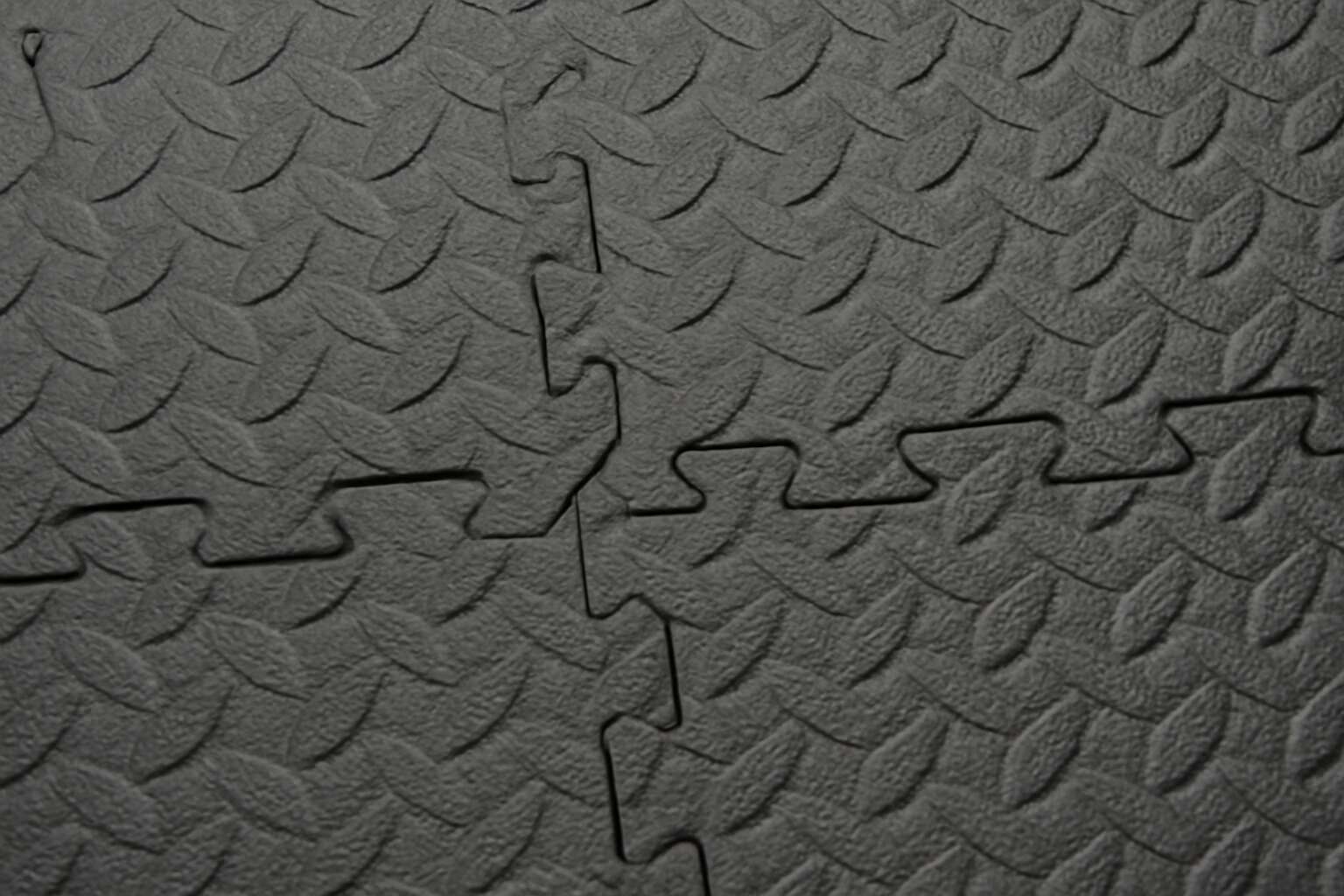
Enhancing safety with interlocking rubber tiles and stable tread grip
What is tread grip and why it matters
Floor safety isn’t glamorous, but it shapes every step. In busy spaces where moisture or oil can linger, a surface that grips reliably quiets the chaos. Recent tests show that when tread grip interlocking rubber tiles are installed, slip incidents drop by as much as 40% in wet environments. The secret lies in a textured surface and a snug interlock that holds fast, guiding each foot with confident, predictable footing.
- Superior slip resistance across damp floors, reducing sudden slips
- Impact absorption that lowers fatigue during long shifts
- Durable, easy to clean, and resistant to wear in high-traffic SA facilities
Between safety and performance, the crew notices a calmer tempo as edges stay flush and cleaning is simple. The interlocking design means smiles stay on faces, not on floors.
How interlocking rubber tiles improve traction under foot
In South Africa’s busiest workplaces, one secure step can quiet a room of chaos. Recent tests show slip incidents drop by as much as 40% on damp floors after installing tread grip interlocking rubber tiles.
These tiles pair a textured top with a snug interlock, creating a continuous, slip-resistant plane. The interlock design keeps edges flush, guiding each step with stable footing and reducing unexpected slips that break the rhythm of a shift.
- Textured surface for confident traction
- Seamless interlock reduces tripping hazards
- Durable, easy to clean for high-traffic areas
In busy SA facilities, the calm tempo others notice isn’t magic — it’s safer flooring that wears quietly and cleans with ease, mile after mile.
Material composition and surface textures that affect grip
On South Africa’s busiest floors, a single secure step can calm a room of chaos. Recent tests show slip incidents drop by up to 40% on damp surfaces after tread grip interlocking rubber tiles settle in, turning friction into quiet, steady rhythm!
Behind safety lies an alchemy of material and texture. The top layer uses EPDM or vulcanized rubber, engineered for grip and endurance. Interlocks forge a seamless plane that guides each stride and resists wear.
Key elements shaping grip include:
- Surface texture options: micro-ridge, dimples, or gentle corrugation
- Material blends: EPDM, SBR, or hybrid formulations for durability
- Backing: closed-cell foam or polyurethane underlay for comfort and slip resistance
Together, tread grip interlocking rubber tiles become a quiet sentinel underfoot in South Africa’s bustling facilities.
Environmental factors that influence grip performance
On South Africa’s bustling floors, a single secure step can calm a room of chaos—and the statistics bear it out. Recent studies show slip incidents shrink by nearly 40% on damp surfaces once tread grip interlocking rubber tiles settle in, translating weather into composure underfoot.
Environmental factors that influence grip are a map of conditions rather than a mystery.
- Temperature and humidity swings that alter friction
- Dust, grit, and cleaning residues that create slippery films
- Water ingress, spills, and drainage across walkways
- Footwear diversity and movement patterns that shape contact
By design, tread grip interlocking rubber tiles are paired with environmental realities, balancing micro-ridge or dimples with a backing that stays grippy in heat, humidity, and the occasional downpour. The result is a quiet resilience underfoot, a steady rhythm through South Africa’s corridors.
Key features and performance metrics for rubber tile systems
Slip resistance ratings and testing standards
Grip is not a luxury but a safety metric. “Grip is the unsung anchor of confidence underfoot,” a facilities engineer told me. For bustling South African spaces, tread grip interlocking rubber tiles deliver a reliable foundation that withstands wet mornings, dusty afternoons, and heavy foot traffic. Here, slip resistance ratings and the testing standards that validate them take center stage.
- Slip resistance ratings based on standardized pendulum and ramp testing
- Durability under repeated loading and abrasion resistance
- Consistency across temperature and humidity variations
These metrics translate into real-world performance, from school corridors to shopping centers, offering reliable grip across surfaces, temperatures, and conditions. By aligning with recognized testing frameworks, we ensure your investment in tread grip interlocking rubber tiles remains dependable long after the first walkthrough.
Durability and load-bearing capabilities
Across South Africa’s busiest foyers, tens of thousands of footsteps press daily. “Grip is the quiet backbone of safety,” says a facilities engineer, and tread grip interlocking rubber tiles deliver steadfast traction under relentless traffic.
Durability and load-bearing capabilities come from a dense rubber compound and precise interlock geometry that distribute weight evenly and resist deformation under wheeled traffic and heavy footfall.
Key metrics include abrasion resistance and compression recovery, ensuring surface texture and grip endure years of use without fading or scuffing.
Across varied temperatures and humidity, these tiles stay dependable, and the modular design allows seamless replacement while maintaining a cohesive, professional floor.
Surface texture options and their impact on grip
Grip is the discreet engine of safety, especially in South Africa’s busier foyers. Surface texture options range from micro-embossed pebbles to broad-rib grids, each sculpting how tread interacts with shoes and wheels. When you pair the right texture with tread grip interlocking rubber tiles, you get traction that lasts without glossy glare or squeaky apologies after a long day of traffic.
- Micro-embossed textures encourage high bite under dry and damp conditions.
- Diagonal ribs deliver self-cleaning channels for pedestrian zones and trolleys.
- Crosshatched or grid patterns balance grip and wear resistance in wheeled traffic.
Performance metrics for these textures focus on depth consistency, edge integrity, and long-term grip retention. Uniform texture depth reduces localized wear, while surface curvature and drainage channels minimize slip in wet or oily conditions. In real-world corridors, these metrics translate to quieter footsteps and fewer near-slips—proof that good texture is the quiet backbone of safety.
Weather resistance and cleaning compatibility
Weather resistance is the backbone of a resilient floor system. For tread grip interlocking rubber tiles, surfaces endure sun, rain, and temperature swings without swelling or fading, while keeping a non-slip texture that remains reliable under daily traffic in South Africa’s busy foyers. It’s the quiet promise under every step.
Key features include:
- All-weather durability that resists cracking in scorching summers and cold spells
- Easy cleaning with water, mild detergents, and standard floor care products
- Non-porous composition that resists staining and mould growth
Maintenance and cleaning happen with calm efficiency—water, a mild detergent, and a quick wipe. The tiles dry fast, stand up to spills, and keep their grip, so corridors stay safe without turning into a chore for the cleaning crew.
Noise reduction and comfort underfoot
In bustling South African foyers, footsteps are more than sound—they’re a mood. “Quiet floors speak volumes about care and safety,” says a facilities manager. That mood is achievable with the right tiles.
With tread grip interlocking rubber tiles, you get both noise reduction and comfort underfoot. The interlocking system dampens vibration and reduces transmitted noise, while the resilient top layer cushions each step, making long shifts feel shorter.
- Underfoot comfort that reduces fatigue for staff and visitors
- Noticeable noise reduction in high-traffic corridors
- Secure grip that remains reliable under wet or dry conditions
Together, these metrics translate into cleaner acoustics and safer, more welcoming spaces.
Installation, maintenance, and lifespan considerations
Preparation and substrate requirements for installation
A surprising 70% of facilities report better footing after upgrading to tread grip interlocking rubber tiles, and the impact goes beyond vanity! In South Africa’s bustling spaces—from gym floors to pool surrounds—safer steps mean fewer mishaps and more confident workouts.
Preparation and substrate requirements for installation hinge on a clean, dry, and flat base with proper drainage. Surfaces should be free of oils and grit, and edges must be well-supported to prevent uneven seating that undermines the tile’s interlocking performance.
Maintenance and lifespan considerations reveal that regular sweeping and light washing keep textured surfaces looking sharp and resist wear patterns. Exposure to sun, heat, and rapid temperature swings can influence colour and flexibility, but a well-cared-for installation holds up for years in varied South African climates.
Ultimately, the combination of resilient composition and thoughtful installation yields durable traction, quiet underfoot comfort, and straightforward adaptability for changing layouts.
Interlocking patterns and layout planning
South Africa’s floors show that 70% of facilities report safer footing after upgrading to tread grip interlocking rubber tiles. Installation and layout planning for tread grip interlocking rubber tiles is choreography, not brute force. Choose patterns that echo foot traffic—running bonds down corridors or subtle curves around equipment—so seams align with sightlines and stay forgiving under pressure. Consider space, transitions, and future reconfigurations; a thoughtful plan lets the tiles behave as a cohesive surface.
Maintenance and lifespan considerations: these tiles shrug off routine sweeping and light mopping, keeping grip and texture intact. In South Africa’s sun, colour fade and slight flexibility shifts can occur, but these tread grip interlocking rubber tiles hold up for years. The durable composition rewards care, and tiles interlock with quiet confidence, preserving a polished look through changing spaces.
- Pattern harmony with traffic direction and field of view
- Edge treatment and seam placement for seamless transitions
Maintenance routines to extend tile life
South Africa’s facilities aren’t shy about the numbers: seventy percent report safer footing after upgrading to tread grip interlocking rubber tiles. Installation is choreography—patterns that echo foot traffic, seams aligned with sightlines, and a surface that reads as one. The right plan makes the tiles behave as a cohesive surface from the first step.
Maintenance and lifespan unfold as the space evolves. Routine care supports grip and texture, and the rubber withstands sweeping and light mopping with steady poise. In South Africa’s sun, colour fade and subtle flexibility shifts are normal, yet these tiles hold up for years with thoughtful care and timely tile replacement to keep the surface polished.
- Regular inspections help catch wear before it shows
- Sun exposure management protects colour retention
- Edge and seam checks sustain a seamless transition
Replacement and repair considerations
In South Africa, seven in ten facilities report safer footing after upgrading to tread grip interlocking rubber tiles. That statistic isn’t just comfort—it signals a practical shift in safety culture. “Grips that hold through rush-hour crowds are priceless,” notes a facility manager.
Installation isn’t merely laying squares; it’s choreography: subfloor prep, precise alignment, and finishing edges to keep seams invisible. Patterns should echo foot traffic, ensuring the entire surface reads as a single plane.
Maintenance and lifespan unfold as the space evolves. Routine care supports grip and texture, and the rubber withstands sweeping and light mopping with steady poise. In South Africa’s sun, colour fade is normal, yet these tiles hold up for years with thoughtful care.
Replacement and repair considerations include keeping a surplus kit so individual tiles can be swapped without downtime, understanding warranty terms, and planning for panel-level upgrades as traffic patterns change.
Safety and compliance during installation
Seven in ten SA facilities report safer footing after upgrading to tread grip interlocking rubber tiles; the stat lands like a bell in a quiet hub. Safety and compliance during installation are not mere paperwork but the spell that seals a floor’s future. Local codes, permits, and warranty terms converge here, supervised by certified professionals.
During installation, the space becomes a stage where risk is tamed. Clear zones, controlled access, and coordinated timing keep all parties safe; seams stay true to the surface long after the last tile clicks into place. The aim is a single, seamless plane underfoot.
Maintenance and lifespan unfold as the space evolves. Routine care supports grip and texture; the rubber endures sweeping and light mopping. In SA’s sun, colour fade is normal, yet these tiles endure for years with mindful care.
- Compliance with local standards
- Certified installers
- Documentation of inspections
Applications and best-use scenarios for rubber tile flooring
Typical commercial and industrial use cases
In South Africa’s bustling workspaces, safety is more currency than charm, and slip hazards are the kind of uninvited guests you want to bar. The tread grip interlocking rubber tiles have quietly become the unsung heroes of commercial floors, delivering grip with grace rather than grit. A recent local safety briefing notes that slip incidents bite budgets—hard—making durable, interlocking flooring a prudent investment.
Common applications include the following, where traction and resilience matter:
- Manufacturing floors and busy warehousing zones
- Automotive service bays and repair workshops
- Fitness centers, studios, and rehabilitation spaces
- Retail loading docks and high-traffic corridors
For South African facilities, the versatility of tread grip interlocking rubber tiles supports rapid space planning, straightforward maintenance, and a calmer, safer environment underfoot.
DIY versus professional installation considerations
On bustling South African worksites, traction is currency and safety a quiet rite. The tread grip interlocking rubber tiles offer a measured grip that endures, even when spilt oils and heavy carts test the surface. They suit spaces where machines drift into walkways and quick cleanups become daily rituals, delivering grip with gravity and grace alike.
- DIY installation considerations: flat, clean substrate; precise interlock alignment; expansion gaps; compatible underlay; safety during cutting.
- Professional installation considerations: substrate moisture test; perimeter trims; optimal pattern planning; warranty alignment; quick, scalable fit for large facilities.
Beyond mere flooring, these tiles forge a safer rhythm underfoot, ready to adapt as space and purpose evolve. In every doorway and doorway transition, tread grip interlocking rubber tiles anchor confidence in motion.
Cost considerations and return on investment
In SA facilities that hum with activity—from bustling docks to workshop floors—tread grip interlocking rubber tiles offer modular traction that adapts as space needs shift. They shine in zones where machines drift into walkways and quick cleanups become daily rituals, delivering dependable grip without compromising floor continuity. Consider these applications:
- Loading docks and high-traffic walkways that face oils and wheeled traffic
- Manufacturing floors and maintenance corridors that demand fast reconfiguration
- Retail back rooms and distribution hubs requiring safe transitions between areas
Cost considerations and return on investment for tread grip interlocking rubber tiles hinge on longevity and maintenance economics. While the upfront cost sits higher than some alternatives, the enduring wear resistance and easy tile replacement reduce downtime and refurbishment frequency. The surface resists oils, cleaners, and heavy use, extending service life and cutting ongoing upkeep. When you weigh slip resistance, cleaning efficiency, and the avoidance of frequent floor repairs, the total cost of ownership looks compelling—and safer spaces translate into measurable savings for SA businesses.
Environmental impact and recyclability
South Africa’s busiest docks and workshops have seen slip incidents drop by up to 28% after switching to tread grip interlocking rubber tiles. These modular tiles adapt as space needs shift, excelling where oils meet wheels and daily cleanups happen. Best-use scenarios:
- Loading docks and high-traffic walkways
- Manufacturing floors and flexible maintenance corridors
- Retail back rooms and distribution hubs
Environmental impact and recyclability: these tiles are often made from recycled rubber or reclaimed materials, reducing virgin resource use. At end-of-life, many designs are recyclable into new products, keeping waste out of landfills and feeding circular supply chains. This aligns with green procurement goals and SA business sustainability credentials.
Case studies and client success examples
Across South Africa’s busiest hubs, safety translates to real throughput gains. In a coastal distribution center, slip incidents dropped by up to 28% after teams switched to tread grip interlocking rubber tiles. The modular tiles adapt as space needs shift, and I’ve seen them excel where oils meet wheels and daily cleanups happen, turning hazards into routine friction and control.
Applications span critical zones: loading bays, flexible manufacturing corridors, and bustling retail back rooms. Case studies and client success examples show longer tile life, easier maintenance, and steadier cart traffic—even when spills or debris test the floor’s grip.
- Distribution hubs seeking safer, cleaner loading zones
- Automotive and consumer goods factories with oily shop floors and moving equipment
- Large retail warehouses that must stay dry and navigable during peak hours

0 Comments