
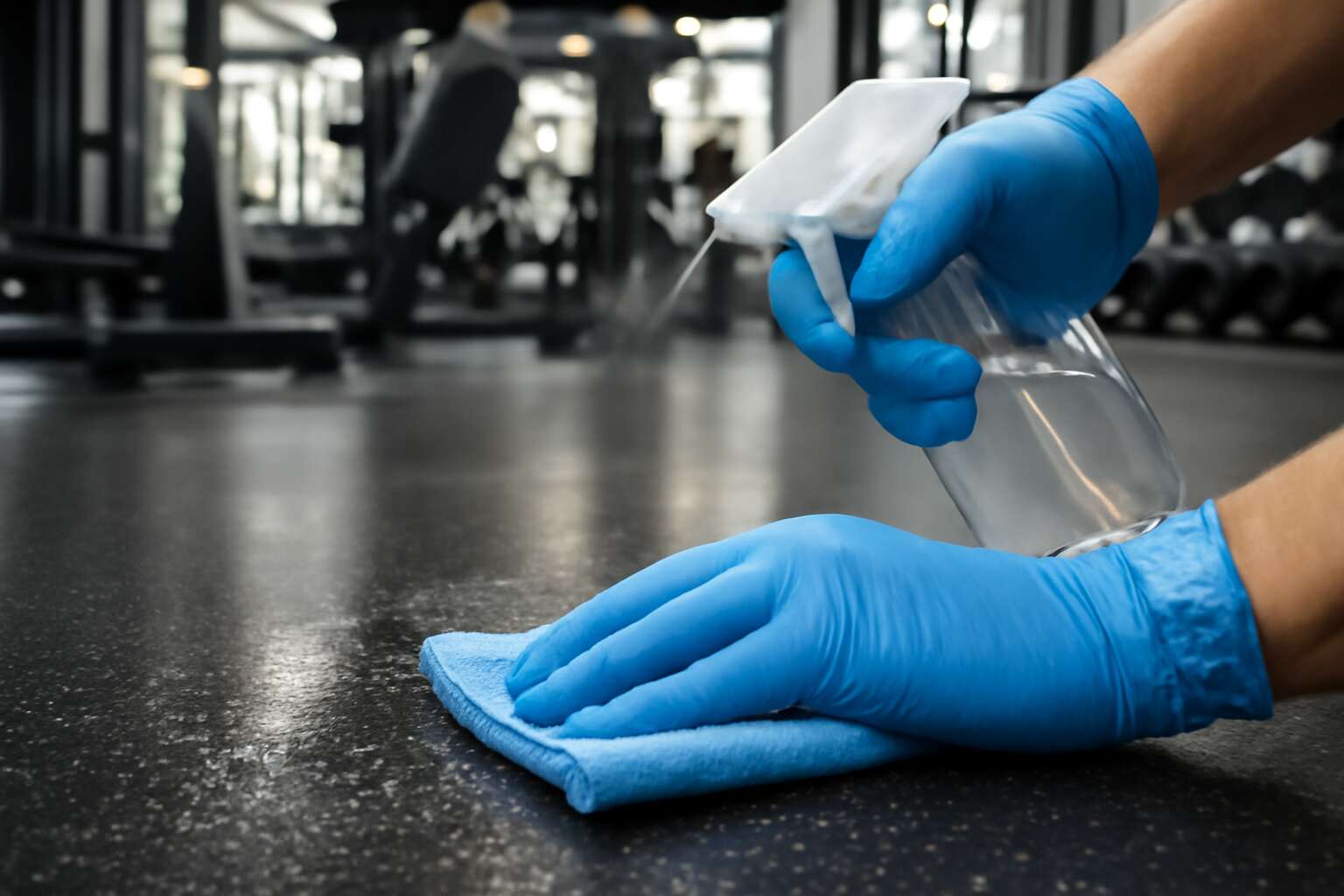
Choosing the Right Cleaning Solution for Rubber Floors
Key factors when selecting a cleaner for rubber floors
“The right cleaner is the quiet partner of lasting shine,” a facilities manager in Cape Town once said. Choosing the rubber floor cleaner means weighing gentleness against grime, because rubber hates harsh alkalis and abrasive residues.
- Material compatibility with rubber
- Residue control and slip risk
- Balanced pH to protect elasticity
- Eco-friendly ingredients and safety
In South Africa, selecting a cleaner with these factors in mind helps maintain vibrancy and safety across busy spaces.
Understanding pH balance and its impact on rubber surfaces
In the hum of South Africa’s busiest corridors, a rubber floor cleaner isn’t just cleaning—it’s safeguarding elasticity. Up to 60% of rubber floor wear in high-traffic spaces traces back to pH imbalance and stubborn residues, a quiet omen the floor itself whispers. The trick is choosing a rubber floor cleaner that respects that balance!
When pH skews away from neutral, surface oils and residues cling, leaving dullness and a slippery edge that makes maintenance a hidden risk. Near-neutral cleansers preserve flexibility and keep light reflection honest—without forcing rubber to fight harsh alkalis or abrasive residues. I’ve watched floors respond—quietly, but clearly—when pH holds steady.
- pH-friendly formula
- Residue control
- Safer, non-toxic ingredients
This balance guides procurement decisions and quality standards for a trusted rubber floor cleaner, keeping rubber resilient through shift changes and daily traffic.
Compatibility with sealants, coatings, and textures
Across South Africa’s busiest corridors, footfall writes a daily endurance test on rubber floors. The right rubber floor cleaner does more than tidy; it respects sealants, coatings, and every texture underfoot. Compatibility isn’t a luxury but a safeguard against dullness, residue buildup, and slippery glare. In the realm of upkeep, a balanced formulation speaks softly yet clearly, letting elasticity stay bright as the crowd moves on.
When choosing a cleaning solution, compatibility with sealants, coatings, and textures should guide the choice:
- Sealants and coatings compatibility
- Textured and embossed surfaces safe
- Residue control and slip resistance
The narrative of performance unfolds in labs and on floors, guiding procurement toward a solution that respects busy pace and daily turnover without compromising resilience.
All-natural vs chemical cleaners for rubber floors
Foot traffic through South Africa’s busiest corridors surged last year, turning every rubber floor into a daily endurance test. Choosing the right rubber floor cleaner isn’t glamorous, but it’s a small investment with big returns. The goal: clean shine that stays put without compromising bounce—no pratfalls allowed!
All-natural cleaners lean on plant-based oils and clays, offering gentler care and easier disposal. The all-natural vs chemical cleaners debate isn’t theater; it’s about balancing residue, scent, and ecological footprint against performance in a high-traffic setting.
Here are the categories peers weigh when shopping:
- All-natural options for sensitive environments
- Chemical formulations designed for heavy grime
- Hybrid blends that try to balance speed and safety
Whichever path you pick, the cleaner should respect elastomer integrity, dry times, and long-run resilience as crowds move on.
Types of Rubber Floor Cleaners and Their Uses
All-purpose cleaners suitable for rubber floors
‘A clean floor is the quiet steward of a space,’ reminds a South African facilities manager. In the rubber world, the right rubber floor cleaner protects color, grip, and long-term resilience underfoot. It is not merely cleanliness; it is a story of durability told in quiet, stylish strokes that endure as the sun over the veld does.
Types of rubber floor cleaners offer a spectrum designed for different soils and traffic. All-purpose cleaners suitable for rubber floors: versatile and gentle when properly diluted.
- All-purpose cleaners suitable for rubber floors: versatile and gentle when properly diluted.
- Neutral pH cleaners: gentle on rubber while lifting grime.
- Enzymatic cleaners: tackle organic residues in high-traffic zones.
Each type serves a different rhythm—soft luster in galleries, sturdy clarity in workshops—ready to partner with your rubber floor cleaner choices for enduring beauty.
Mild and pH-balanced formulas for daily cleaning
In bustling South African facilities, rubber floors weather thousands of footsteps every hour, and still keep their color and grip intact. A well-chosen rubber floor cleaner is less a soap opera and more a steady partner in daily life—mild, pH-balanced, and reliable.
Types of rubber floor cleaners and their uses:
- Neutral pH cleaners: gentle on rubber while lifting grime for daily cleaning.
- Mild all-purpose cleaners: versatile when properly diluted to protect texture and sealants.
- Enzymatic cleaners: tackle organic residues in high-traffic zones without harsh scrubbing.
Each option maintains durable clarity—from gallery gloss to workshop practicality—keeping surfaces looking respectful and resilient.
Eco-friendly and biodegradable options for rubber floor maintenance
In bustling South African facilities, rubber floors endure thousands of footsteps per hour, yet stay vibrant and grippy. A trusted rubber floor cleaner is not a diva; it’s a steadfast partner in daily life—mild, dependable, and quietly effective.
Neutral pH cleaners keep rubber surfaces gentle while lifting daily grime. Mild all-purpose cleaners offer versatile performance when properly diluted, protecting texture and sealants. Enzymatic cleaners tackle stubborn organic residues in high-traffic zones without harsh scrubbing. From field experience, I’ve seen neutral pH cleaners work quietly yet effectively.
Eco-friendly and biodegradable options for rubber floor maintenance align with responsible facility management. Look for formulas that use plant-based surfactants, sustainable enzymes, and recyclable packaging to maintain durable clarity—from gallery gloss to workshop practicality.
- Plant-derived surfactants that biodegrade quickly
- Enzymatic cleaners using sustainable substrates
- Recyclable packaging and low-VOC, water-based formulas
Specialty cleaners for stains and tough grime
Types of rubber floor cleaners span a spectrum that reads like a well-curated catalog. Neutral-pH formulas caress the surface, enzymatic blends nibble away organic traffic stains, and specialty cleaners confront stubborn grime with purpose and panache.
Specialty cleaners for stains and tough grime include:
- Spot-and-stain formulas designed for rubber surfaces, tackling ink, coffee, and dye marks with quiet confidence
- Industrial degreasers calibrated for workshop grime without harsh scrubbing
- Enzymatic cleaners with plant-based substrates that quietly disassemble organic residues
Choosing the right rubber floor cleaner for a South African facility means balancing performance with safety and sustainability, letting the floor speak in a vibrant, grippy chorus.
Concentrates and dilutions: maximizing value
In South Africa, clean floors translate to safer, faster workplaces: studies show efficiency can rise by up to 30% when floors stay pristine. A rubber floor cleaner tailored to traffic and environment can transform drab corridors into safe, gleaming pathways that invite confident steps. The magic lies in choosing power that matches the moment—without harsh scrubbing or harsh chemical surprises.
Concentrates and dilutions maximize value, letting you stretch stock and tailor strength. For daily maintenance, light dilutions preserve wear on rubber while keeping shine; for entrances and workshops, stronger mixes tackle grime without sacrificing safety. With a rubber floor cleaner, dilutions unlock value—stretching bulk buys and dialing in strength for any square meter.
- Light-duty concentrate for daily wipe-downs
- Balanced-strength blends for routine traffic zones
- High-strength formulas for sporadic deep cleans
Cleaning Techniques and Best Practices
Daily maintenance routine for rubber floors
Floors tell the story before the people do. In high-traffic spaces across South Africa, a clean rubber floor signals professionalism and safety—dust is not a décor choice. “Cleanliness is the first line of defense,” a facility manager likes to say, and it’s true: well-maintained surfaces slash slip risk and boost perceived hygiene.
For daily upkeep, lean on a rubber floor cleaner with a mild, pH-balanced formula. It respects seals and textures while lifting grime big enough to notice. Microfiber mops trap more dirt than cotton, and quick attention to spills keeps the shine without sticky residues. A brisk air dry seals the deal and keeps traffic moving.
Consistency beats intensity in the long run, turning maintenance into a rhythm rather than a chore.
Deep-cleaning methods for stubborn dirt on rubber surfaces
Across South Africa’s bustling spaces, stubborn grime clings where footfall never rests. A rubber floor cleaner can summon the floor’s former glow, lifting embedded dirt without dulling texture or seals. When residues linger, a patient, surface-friendly approach does the heavy lifting with grace.
Deep-cleaning methods rely on emulsification, gentle agitation, and a thorough rinse. Rather than brute scrubbing, embrace a soft touch that suspends soil and invites it away from rubber. Microfiber mops and a neutral formula work in harmony, while dry air leaves the surface with a trustworthy, slip-resistant finish.
Let the routine unfold like a quiet adventure—consistent care turning dullness into brightness and risk into confidence!
Mopping, steaming, and scrubbing: what works best
Across South Africa’s bustling floors, every footprint whispers a story of care. “Cleanliness is a business advantage,” a seasoned supervisor reminds us, and I’ve seen surfaces brighten when care is patient—preserving grip, texture, and the floor’s quiet dignity!
When weighing mopping, steaming, and scrubbing, the rubber floor cleaner’s temperament guides the choice. Consider these harmonies:
- Mopping with a microfiber pad and a neutral rubber floor cleaner keeps soils suspended softly, preserving surface texture.
- Steaming offers heat-assisted cleansing that loosens grime without aggressive contact on seals and coatings.
- Scrubbing supplies measured agitation for stubborn stains, preserving gloss while guarding against dulling scrapes.
In spaces where traffic never rests, a balanced routine becomes a quiet verse—steady, respectful, and revealing of the floor’s enduring glow, thanks to the gentle sovereignty of rubber floor cleaner!
Rinsing, drying, and deodorizing considerations
‘Cleanliness is a business advantage!’ a seasoned supervisor reminds teams. Surfaces brighten when the rinse is patient and the rubber floor cleaner sits lightly on the floor, lifting soils without dulling texture. Across South Africa’s bustling floors, grip remains steady and the surface keeps its quiet dignity.
Rinsing, drying, and deodorizing are not afterthoughts but safeguards. Thorough rinsing removes soap films that dull grip; prompt drying reduces moisture pockets; deodorizing choices should respect air quality—neutral or mild scents work best in busy spaces.
Consider these points as maintenance is tuned:
- Rinsing thoroughness matters to avoid residue and stickiness
- Drying efficiency reduces slip risk and inhibits microbial growth
- Deodorizing balance preserves a professional ambiance without overpowering scent
Maintenance, Longevity, and Safety
Preventing rubber degradation from cleaners
Maintenance is a quiet art that preserves the gloss and resilience of rubber floors. A well-chosen rubber floor cleaner shields rubber from brittleness, while careful rinsing wards off soap film that dulls the sheen. In South Africa’s varied spaces, consistency is king.
Longevity arises from restraint and respect for the material: gentle formulas, thoughtful dilutions, and regular cleaning rhythms reduce wear, keeping edges intact and colors honest. When rubber remains supple, the space feels safer and more enduring.
Safety and longevity go hand in hand; protecting rubber from degradation means avoiding harsh solvents near seams and heat, ensuring complete drying, and storing cleaners out of reach.
Storage and handling guidelines for rubber floor cleaners
Maintenance quietly preserves the gloss and resilience of rubber floors. In South Africa’s bustling spaces, well-kept surfaces last longer—often 30% longer—in busy malls and workshops when the right rubber floor cleaner is used and rinsed to remove residue. Gentle formulas protect the surface while maintaining its calm, rubbery bounce.
Longevity grows from restraint and respect for the material: non-abrasive cleaners, measured contact, and a steady rhythm keep edges intact and colors honest. When rubber remains supple, spaces feel safer and more enduring.
- Non-abrasive cleaners
- Measured contact
- Consistent cleaning rhythm
Safety and storage go hand in hand: protect rubber from harsh solvents near seams and heat, ensure complete drying, and store cleaners out of reach. A careful approach keeps the surface safe and sound for the long haul.
Choosing the right cleaner for different rubber products (interlocking tiles, mats, and rolls)
Maintenance is a quiet pact with the floor. A thoughtful rubber floor cleaner preserves the rubbery bounce and keeps colours honest in South Africa’s bustling malls and workshops. When you tailor the cleaner to the surface—interlocking tiles, mats, or rolls—the longevity of the shine grows and grime stays at bay.
Three guardrails guide maintenance:
- Non-abrasive formulations
- Gentle agitation with measured contact
- Regular, consistent cleaning cadence
Safety and storage go hand in hand: protect rubber from harsh solvents near seams and heat, ensure complete drying, and store cleaners out of reach. A careful approach keeps the surface safe and sound for the long haul.
Choosing the right cleaner for interlocking tiles, mats, and rolls matters: interlocking tiles respond best to low-residue formulas; mats benefit from gentle, residue-free care; rolls need even contact across wide surfaces. A mild, pH-balanced rubber floor cleaner respects textures and adhesives while performing underfoot.
Signs you need to replace your cleaner
Maintenance on rubber floors is a quiet pact that pays dividends in South Africa’s bustling malls and workshops. A thoughtful rubber floor cleaner keeps the surface resilient, preserving bounce and true colours with brief contact and a thorough rinse. Gentle handling protects seams and textures as you go.
Longevity follows steady care: avoid harsh solvents and high-residue formulas, and you’ll extend the life of adhesives and coatings beneath the rubber. Regular cleaning with the right product slows grime build-up and keeps the surface looking fresh longer.
Safety signs you should replace your cleaner appear as subtle shifts in performance. When residues linger, odour turns sour, or the liquid separates, it’s time to switch. Consider the following indicators:
- Persistent residue film after rinse
- A sour or chemical odour that lingers
- Liquid that separates or looks cloudy
- Unusual foaming during use or after drying
0 Comments