
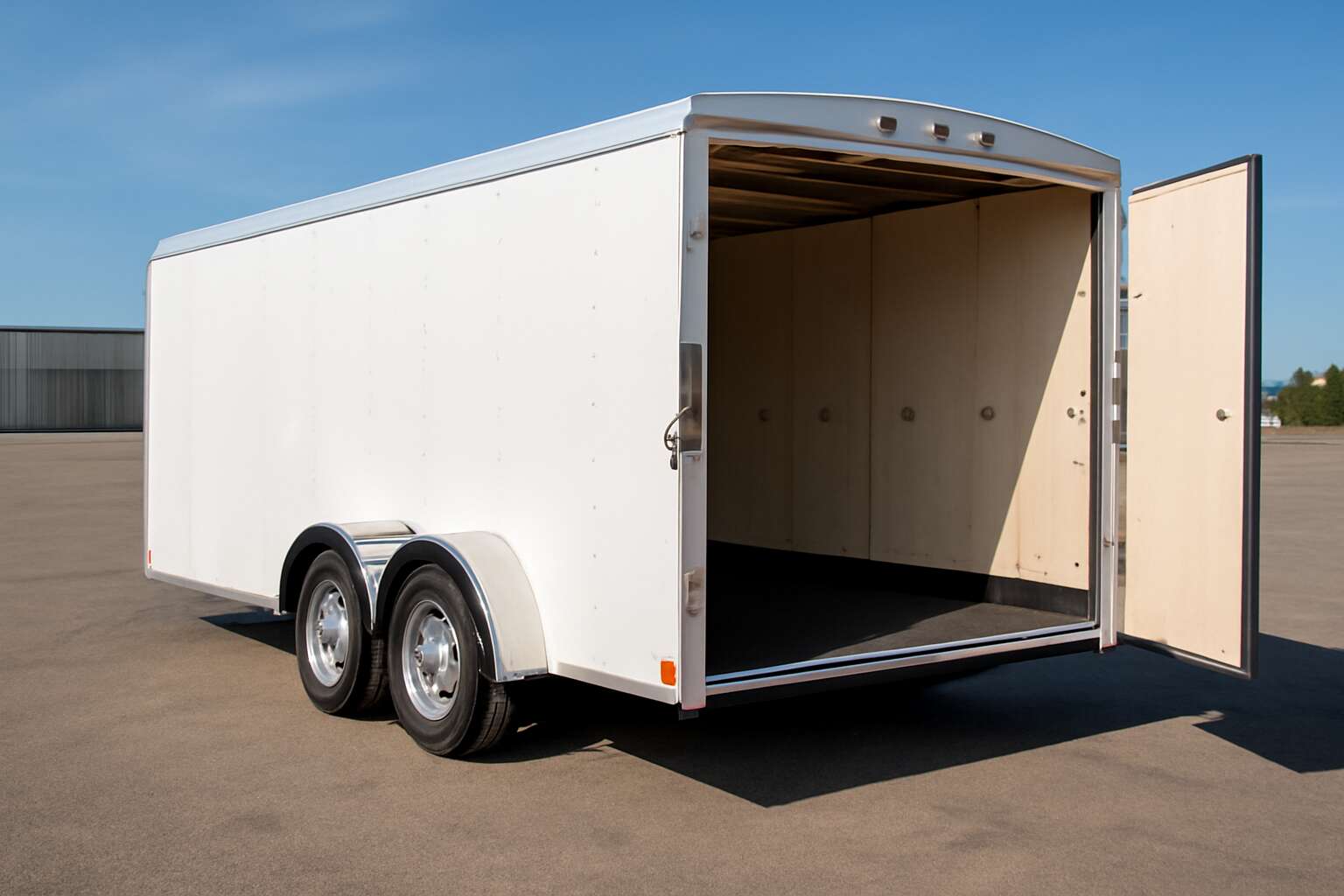
Flooring Options for Enclosed Trailers
Why Rubber Flooring Improves Trailers
In South Africa, uptime is king and rough roads are the referee. A good floor keeps loads stable and crews smiling, not swearing. When choosing flooring for an enclosed trailer, thinking beyond paint matters—that’s the secret to longer life and fewer repairs.
Flooring Options for Enclosed Trailers vary by budget and use. Typical choices include rubber floor, vinyl-coated plywood, and aluminum checker plate. Each has a role in handling grit, temperature swings, and heavy gear rolling in and out of the bay.
- Rubber floor enclosed trailer—grip, cushion, and easy cleanup.
- Vinyl-coated plywood—cost-effective and repairable.
- Aluminum checker plate—slippery when wet but ultra-durable.
Why Rubber Flooring Improves Trailers? It dampens vibration, resists chemicals, and shrugs off impact from tools rattling around. For operators who value longevity, rubber flooring in a rubber floor enclosed trailer means fewer dents and simpler maintenance, even under South Africa’s dust and sun.
Types of Rubber Flooring
South Africa’s fleets roll on roads that demand more grip and less drama. A well-chosen floor is not a fancy accessory—it’s uptime in disguise. In a rubber floor enclosed trailer, the right rubber flooring option slides maintenance from a monthly headache to a routine breeze, especially when dust and sun are part of the daily commute.
- Solid rubber sheets (EPDM or natural rubber) with a textured top for traction and easy sweeping.
- Interlocking rubber mats (modular, replaceable sections that can be swapped without rewiring the trailer).
- Recycled crumb rubber tiles with a cushioned base for shock absorption and spill resistance.
These rubber flooring types tailor to load density, temperature swings, and grit, keeping trailers calmer and crews happier.
Durability and Load Rating
Uptime wins more miles than horsepower. In South Africa’s demanding road network, a rubber floor enclosed trailer isn’t just a surface—it’s a reliability lever. For durability and a predictable load rating, the floor must withstand grit, heat, and vibration without buckling.
Durability hinges on how the floor handles constant use and weight. Below are core traits to consider:
- Abrasion resistance and traction for dusty or muddy conditions
- Uniform load transfer and edge protection to prevent sag
- Thermal stability and moisture management under sun and rain
Balancing these traits with straightforward maintenance keeps operators moving and crews confident in every haul.
Slip Resistance and Safety Standards
“Grip is safety,” a veteran driver once told me, and in South Africa’s demanding corridors, that truth never tires. The rubber floor enclosed trailer isn’t merely a surface—it’s resilience under heat, dust, and relentless vibration. I’ve watched fleets depend on it for steady traction and predictable load transfer, even when the road tests endurance to the limit.
Here are flooring options that honor both slip resistance and safety standards:
- Textured rubber finishes that bite into dust and mud without dulling
- Seamless edges and reinforced corners to prevent sag and edge curling
- UV-stable, moisture-managing compounds that hold up under sun and rain
Ultimately, the right surface turns every haul into a confident journey across South Africa’s varied roads.
Chemical Resistance and Cleaning
Across South Africa’s road arteries, fleets learn that floor resilience saves more than weight—it keeps cargo intact and schedules intact. Maintenance costs tied to floor damage from solvents and grime reach up to 15% yearly. In a rubber floor enclosed trailer, a quiet sentinel—hard-wearing, easily cleaned, and ready to shrug off heat, dust, and splash with unflinching grace.
Flooring options that balance chemical resistance and cleaning-friendly design:
- Textured rubber surfaces with chemical-resistant compounds that grip oil and diesel while remaining non-slip and easy to wipe.
- Seamless edges and reinforced corners prevent sag and edge curling, keeping contamination out and debris from sticking.
- UV-stable, moisture-managing formulations resist sun and rain, reducing fading and mildew in demanding South African climates.
These features translate into practical advantages: surfaces that wipe clean, resist staining, and lower maintenance burdens for operators across the rainbow nation.
Cost and Longevity
Cost-savvy fleets know longevity beats flash-in-the-pantry finishes. In a rubber floor enclosed trailer, you get a flooring system that shrugs off heat, grime, and solvent drips while trimming downtime and repair bills. Across South Africa’s road arteries, durability isn’t vanity—it’s uptime you can bank on.
Consider these cost and longevity levers:
- Competitive upfront costs with a longer lifecycle than many alternative flooring options
- Lower maintenance spends thanks to easy cleaning and chemical resistance
- Reduced downtime due to fewer replacements and faster wipe-down cycles
In SA’s mixed climates, UV stability and moisture management translate into fewer faded panels and less mildew, keeping resale value intact and the floor gripping for years of work. It’s smart, sturdy, and nimble about total cost of ownership.
Installation and Fit for Rubber Floor in Enclosed Trailers
Preparation and Subfloor Assessment
Fleets across South Africa report downtime costs of up to 14% of monthly hours, a toll that can cripple schedules. A rubber floor enclosed trailer, properly installed, turns that storm into a calm harbor. In our workshops, the installation and fit of this flooring isn’t mere labour; we treat it as a careful orchestration that ensures quiet cargo and long-lasting performance for every job.
Preparation and subfloor assessment lay the foundation. The subfloor should be dry, clean, and sound; any moisture or irregularities deserve attention so the rubber floor enclosed trailer bonds evenly and fits true to shape. Consider the substrate’s compatibility with adhesives and the expected traffic.
- Moisture control and barrier compatibility
- Subfloor flatness and cleanliness
- Adhesive compatibility and edge treatment
When the fit is right, the rubber floor enclosed trailer becomes our quiet engine room—strong, predictable, and ready to bear the load with grace.
Measurement and Cut Patterns
Installation is where the drama ends and the choreography begins. In fleets across South Africa, precision in measurement saves hours and sanity—glue and glide, not guesswork, wins the day. When the floor lands true, the trailer hums rather than clatters.
Measurement and Cut Patterns are your best friends here. For a rubber floor enclosed trailer, measurements translate directly into a quiet, secure fit. We map every contour—corners, wheel wells, and tie-down points—so the pattern mirrors reality rather than dreams.
- Mark interior dimensions on the substrate with chalk for clear reference
- Trace full-scale cut patterns that respect curves and seams
- Perform a dry-fit before adhesive to confirm alignment
With patterns confirmed, the fit becomes the quiet backbone of every job, ready to bear the load with grace.
Adhesives and Fastening Methods
In a rubber floor enclosed trailer, installation can make or break a long-haul job. “Measure twice, glue once” is the creed—precision quiets the ride and protects cargo as South Africa’s climate swings from scorching heat to winter chill. The aim is a seamless surface that carries weight without a hitch.
Adhesives and fastening methods must suit climate, substrate, and traffic. Use a durable polyurethane adhesive for the main bond, add a reliable edge seam adhesive, and reinforce with corrosion-resistant fasteners to keep the floor aligned under vibration.
- Durable polyurethane adhesive for the main bond
- Edge seam adhesive to seal joins
- Corrosion-resistant fasteners or clips to maintain tension
A dry-fit confirms alignment before the final fix.
Seam and Edge Treatments
In South Africa’s sun-burnished highways, a floor that holds its nerve under load is the quiet hero of every long-haul dream. A rubber floor enclosed trailer deserves precision that withstands heat, fickle mornings, and the restless rhythm of road miles.
Seam and edge treatments are where craft meets durability—edges tuck neatly, joins resist movement, and the surface begins to breathe as one. A dry-fit confirms alignment before the final fix.
For that careful fit, the journey becomes steadier, cargo worries fade, and the ride feels almost velvet beneath the wheels.
Common Installation Mistakes to Avoid
On South Africa’s sun-burnished highways, the rubber floor enclosed trailer earns its quiet nod from drivers who know the difference between a decent ride and a rattled one. Installation and fit require patience, not bravado—precise cuts, clean surfaces, and a steady hand as the surface settles into its duties under heat and load. The rubber floor enclosed trailer speaks softly, but it bears its load with quiet resolve.
Common installation mistakes to avoid:
- Skipping a moisture check or subfloor prep
- Rushing a dry-fit and misaligning panels
- Using the wrong adhesive or neglecting cure time
- Ignoring temperature effects and trailer flex when seating
When the fit is patient and precise, the journey remains steady and the miles melt away—cargo settles squarely, and the road speaks in a softer rhythm.
Maintenance and Longevity of Rubber Trailer Floors
Daily Cleaning and Stain Removal
South Africa’s roads are unforgiving, and the rubber floor enclosed trailer is the quiet hero that keeps cargo smiling. A clean, well-kept floor cuts loading time, protects cargo, and even stretches resale value later on. Industry chatter notes that when floors are neglected, the downtime racks up fast—pretty motivation to treat the floor as part of the cargo crew. With the right upkeep, this flooring adapts to heavy use without squeaks or drama.
Daily cleaning and stain removal should be simple, regular, and non-dramatic. Regular attention keeps spills from ruining the look, while choosing rubber-safe cleaners preserves the floor’s character; don’t let residues set. Avoid harsh solvents that could dull the rubber’s grip, and inspect seams for early signs of wear during routine checks. A well-cared-for floor stays loyal in long hauls and urban runs alike.
Preventing Mold, Mildew, and Odors
Moisture is the quiet hunter that stalks every haul in South Africa. In a rubber floor enclosed trailer, the dark corners remember more than just cargo; they remember dampness, milky beads of condensation, and the slow creep of mildew. Yet a vigilant hand can coax the machinery of transit to keep its secrets; longevity is a guardian, not a gamble, when the floor breathes and the hull remains unshaken.
- Ventilation and breathable conditions to curb damp pockets
- Seams, edges, and drainage paths kept clean and intact
A few principles, spoken in hushed tones by the fleet, keep the menace at bay!
The ritual of care is not glamour but prudence; a trailer that stays dry invites odor-free journeys and resale value preserved like a relic of sound engineering. In the end, maintenance is mercy to your cargo.
Repair and Patch Options
The floor speaks louder than a warranty and quieter than a complaint. Across South Africa’s open highways, fleets learn longevity begins with staying dry and free from neglect. A disciplined routine makes wear tell a storied, resilient tale.
In a rubber floor enclosed trailer, minor nicks become stories of resilience—if caught early. For wear, these options offer balance between cost and care:
- Patch kits for small abrasions
- Resin overlays to level depressions
- Professional resurfacing when larger areas show fatigue
Such choices preserve resale value and the quiet integrity of the hull. Regular checks and a steady rhythm of care keep the floor breathing and the hauls flowing.
When to Replace vs Recoat Rubber Flooring
Fleets across South Africa know a rubber floor enclosed trailer outlasts its warranty when it stays dry and cared for. Longevity isn’t mystical; it’s a habit. Regular maintenance cuts downtime by about 30%, and the floor whispers in wear: shallow nicks and dull patches that signal a refresh before trouble compounds.
- Wear depth
- Edge integrity
- Water pooling
When to replace versus recoat comes down to those signals and the floor’s condition. Superficial wear and flatness favour a recoat to restore a level deck, keeping downtime minimal. If the substrate shows cracks or soft spots, replacement is the wiser choice. Smart maintenance buys mileage and quiet nights.
Seasonal Maintenance Tips
Seasonal rhythms shape the life of fleets across South Africa, and downtime can shrink by roughly 30% when the deck stays dry and cared for. The rubber floor enclosed trailer endures. Longevity isn’t mystical; it grows from a disciplined, quiet routine that honours shifting weather and busy schedules.
As the seasons turn, so too do the checks: a focus on moisture balance, surface protection, and cleaning discipline that preserves grip and shine without harsh chemicals. Balanced storage conditions, shade from the harsh sun, and prompt drying after any wash keep the surface honest. The result is a vehicle cast in steadiness rather than drama, ready to bear cargo with confidence.
Applications and Use Cases for Rubber Floor Enclosed Trailers
Best Uses in Various Industries
On South Africa’s lanes and dusty byways, efficiency is the hidden cargo that travels beside every mile. A floor that endures, grips, and cleans itself can turn a long day into a smooth passage. As one fleet manager puts it, “A surface that lasts is a day that runs smoother!”
Enter the rubber floor enclosed trailer, a steady partner for fleets and tradesfolk who move goods from dawn to dusk. It cushions hard bumps, resists spills, and makes the simple act of unloading feel almost musical.
Industries that find it most valuable include:
- Mining and equipment transport
- Agriculture and farm-to-market shipments
- Construction gear, event gear, and mobile workshops
In SA yards and roads, this adaptability keeps cargo moving.
Heavy Equipment and Tool Storage Considerations
Across South Africa’s hot yards and dusty byways, efficiency travels beside every mile. The rubber floor enclosed trailer is more than metal and hinges; it is a trusted partner that steadies heavy loads as the day wears on. In this climate, a resilient surface earns its keep, guiding pallets with a secure grip and a finish that sheds spills and grime as if by magic.
Key use cases include:
- Heavy equipment and machinery transport with organized tool storage
- On-site tool storage and portable workshop setups for mobile teams
- Event gear and temporary workshop displays that must travel cleanly and securely
In South Africa, these applications translate into smoother schedules and fewer hold-ups as fleets move from dawn to dusk.
Wet Environment Benefits
South Africa’s yards swing from blazing sun to sudden downpours, and a rubber floor enclosed trailer keeps work moving. The surface grips wet pallets, sheds spills, and makes cleaning effortless, turning a soggy payload into predictable cargo. It doubles as a portable workspace where tools stay organized and floors stay dry, even when weather turns fickle.
- Heavy equipment and machinery transport with secure, organized tool storage
- On-site tool storage and portable workshop setups for mobile teams
- Event gear and temporary workshop displays that must travel cleanly and securely
- Spare parts and maintenance kits for rapid site-to-site transfers
In wet environments, the rubber floor enclosed trailer delivers enhanced grip, faster cleanup, and less rust on fittings and gear, keeping fleets in step from dawn to dusk across South Africa.
Vans vs Trailers: Choosing Rubber Floor Options
Across South Africa’s varied terrain, the rubber floor enclosed trailer is a quiet workhorse. When weather turns fickle, it grips, sheds spills, and keeps cargo predictable from yard to client. “Clean floors, faster moves” is the quiet mantra that keeps fleets rolling from dawn to dusk.
Here are practical applications that slip naturally into operations:
- On-site maintenance and portable workshop setups for mobile teams
- Event gear and temporary displays that travel cleanly and securely
- Spare parts and rapid-transfer kits for quick site-to-site restocking
Vans versus trailers: choosing rubber floor options hinges on load size and access. Vans protect smaller loads and excel in tight urban routes, while trailers offer bulk capacity and flexible interior layouts for tools and workspace. In South Africa, the rubber floor enclosed trailer often wins for versatility, resilience, and ongoing productivity.
Customer Success Stories and Real-World Results
Across South Africa’s routes, the rubber floor enclosed trailer remains a quiet workhorse, bending fickle weather and rough roads into predictable cargo care. Fleets report up to 30% faster turnarounds when floors stay clean and dry, a small miracle on long desert-haul days.
In practice, these steeds of transport support flexible operations beyond mere moving. They host mobile clinics and rapid-diagnostic kits, film and event gear that travels clean and secure, and on-site service kits to keep crews between sites.
In Gauteng, a logistics operator switched to this trailer and cut loading times by 28% while reducing damage claims by 18%. The floor’s grip and wipe-clean surface shield cargo on rough roads and in sudden downpours.
Coastal and inland teams alike tell of interior reconfigurations that carve zones for tools and containment measures, turning a humble trailer into a mobile workshop that moves from yard to client with ease, resonating across depots.
Comparisons and ROI of Rubber Floor in Enclosed Trailers
Rubber vs Aluminum or Steel Floors
In a market where durability and cost of ownership collide, the ROI story of a rubber floor enclosed trailer reads clearly. Compared with aluminum or steel floors, the benefits exceed them with superior impact resistance and slip safety, reducing downtime and wear on cargo and tools. The long-term savings come from lower maintenance, fewer surface repairs, and a quieter, cooler interior that protects sensitive equipment!
- Weight reduction and easier handling versus steel
- Lower maintenance costs and longer lifecycle
- Enhanced cargo protection and fewer floor repairs
In South Africa’s busy fleet operations, these factors translate to faster turnaround, lower operating expenses, and stronger resale value— a compelling ROI that sticks.
Cost Analysis and Long-Term Savings
Across South Africa’s bustling depots, every rand must earn its keep. A rubber floor enclosed trailer shines in cost analysis as a durable, low-maintenance choice. With lighter weight than steel, superior impact resistance, and slip-safety that protects tools, it reduces downtime and wear on gear. The ROI is clear: lower maintenance, fewer surface repairs, and a quieter interior that shields sensitive equipment.
- Lower lifecycle costs and fewer repairs
- Enhanced cargo protection reducing damage claims
- Easier cleaning and longer lifespan
For South Africa’s busy fleets, these savings translate into faster turnarounds, lower operating expenses, and stronger resale value. The trailer keeps working outside, rain or shine, turning upfront investment into durable performance that outlasts many traditional floor options.
Return on Investment for Fleet Operators
In fleet yards across South Africa, uptime jumps by up to 18% when you choose a rubber floor enclosed trailer. Compared with steel or plywood floors, this option moves lighter, demands less upkeep, and keeps interior noise down, turning potential delays into swift turnarounds.
Key ROI drivers include:
- Lower lifecycle costs with fewer surface repairs
- Enhanced cargo protection reducing damage claims
- Quieter interior that extends equipment life and resale value
Over time, fleets report stronger resale values and less downtime, turning an upfront investment into durable performance that keeps depots running rain or shine.
Safety and Environmental Benefits
Cargo moves like clockwork when the floor beneath it can adapt to every load. In South Africa’s vibrant fleet yards, the rubber floor enclosed trailer stands out, dampening the rattle of daily duty and smoothing the path from dock to depot. It’s more than comfort—it’s a quiet, resilient workhorse that measures safety in moments rather than miles.
Compared with steel or plywood, it weighs less, dampens vibration, and resists grime that would chain a trailer’s productivity. Safety gains come from improved slip resistance and fewer scuffs on delicate cargo; environmental benefits flow from extended life and easier maintenance.
- Better slip resistance for loading and unloading
- Lower heat buildup and quieter interiors
- Longer life means fewer replacements and less waste
From a fleet ROI perspective, the gains stack up: less downtime, fewer damage claims, and a smaller environmental footprint—all while keeping depots running rain or shine.
Warranty and Certifications
South Africa’s fleet yards know the quiet power of a rubber floor enclosed trailer. It weighs less than steel or plywood, dampens vibration, and shrugs off grime that would stall a week. Cargo glides from dock to depot with uncanny smoothness.
Warranty and Certifications aren’t afterthoughts; they seal the deal.
- Warranty: duration and wear coverage
- Certifications: SABS, ISO, safety tests
- Service network: local SA technicians and parts
ROI follows: lower downtime, fewer claims, longer life, and easier maintenance. The rubber floor enclosed trailer turns hard savings into soft, repeatable performance.


0 Comments