
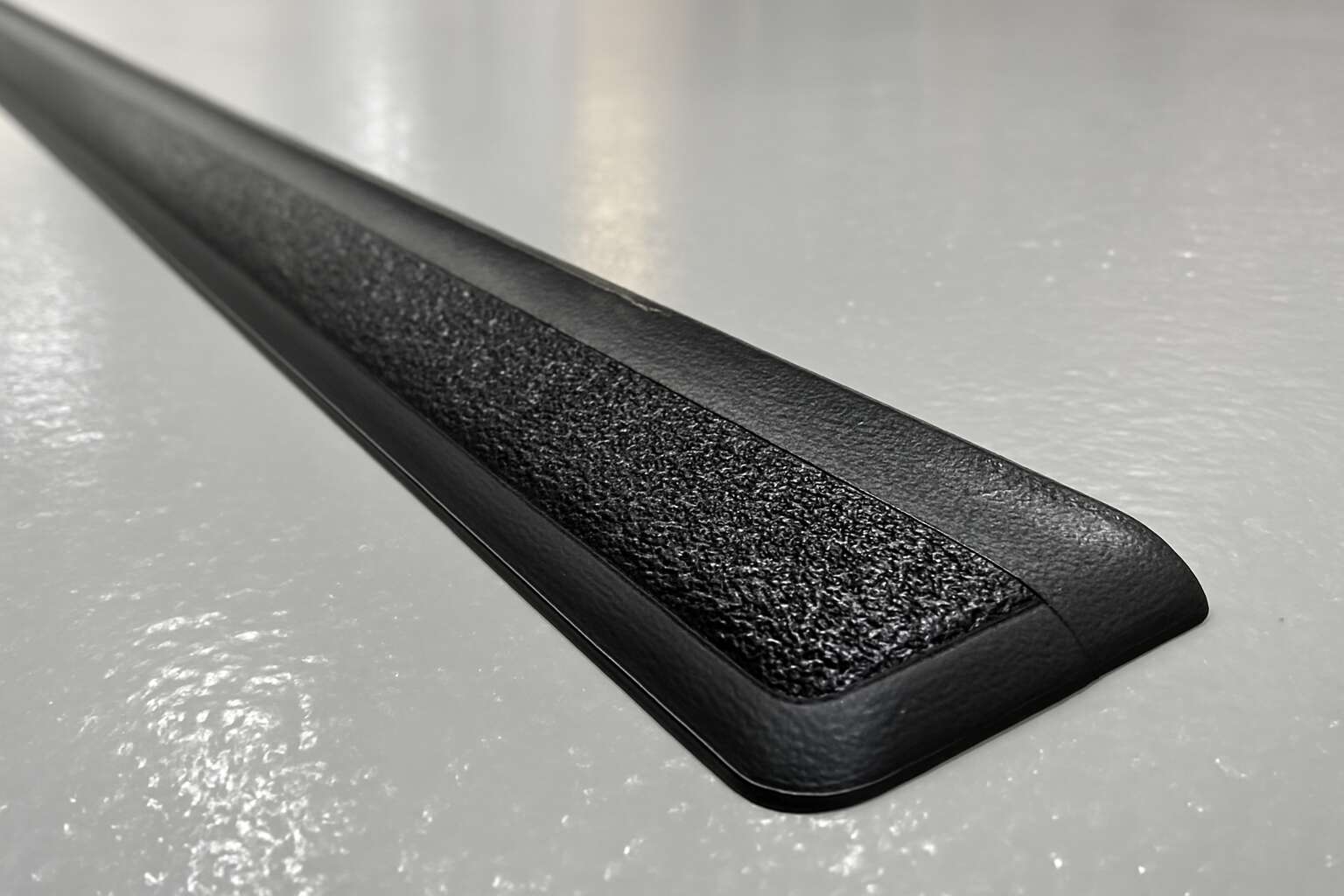
Understanding rubber floor bunding
Definition and purpose of rubber floor bunding
Spills never clock out, and a floor mustn’t either. A rubber floor bunding acts as a quiet, tireless edge around work zones, catching drips before they become slips.
In South Africa’s workshops, warehouses, and service yards, this resilient material stands up to heat, chemical exposure, and heavy foot traffic, while remaining pliant under the wheels of trolleys.
- Contain spills and leaks at the source
- Protect drains and floor finishes from staining
- Streamline cleaning and maintenance by guiding liquids to a single exit
Installed with careful edges to avoid trip hazards, it turns potential chaos into calm order.
Key benefits and performance features of rubber floor bunding
Spills may not clock out, but your floor can have a quiet boundary. Rubber floor bunding forms a sturdy, flexible edge that keeps drips contained and slips at bay. In South Africa’s bustling workshops and yards, it shrugs off heat and heavy foot traffic with ease.
Key benefits and performance features that actually move the needle:
- Containment at the source to stop slips and staining
- Heat, chemical, and abrasion resistance for tough environments
- Easy maintenance by guiding liquids to a single exit
From durability to practical fit, rubber floor bunding keeps SA facilities compliant and calm, even when the factory floor takes a beating. Its resilience cushions wheels and resists edge cracking, a quiet hero in the daily grind.
Common materials and compositions used in bunding systems
Spills are a daily drama, and the edge of the floor can be the hero or the villain. Understanding rubber floor bunding means peeking under the hood of its guts—what it’s made from and how that shapes grip, resilience, and spill containment on a busy factory floor.
Common compositions lean on resilient rubber chemistries tuned for containment and oil resistance, often with fillers and coatings for durability. Here are a few materials you might encounter:
- EPDM rubber for chemical and UV resistance
- Nitrile (NBR) for oil-based spills
- Natural rubber or SBR for flexibility and cost-effectiveness
- Reinforcements such as fiberglass or steel cores in some profiles
Choosing the right blend keeps SA facilities calm when the factory floor takes a beating.
Integration with floor drains, edges, and containment goals
On a busy SA factory floor, a single neglected drain can turn a routine shift into a spill saga. rubber floor bunding steps in as a quiet guardian, steering liquids toward drains and away from critical workflows. Effective integration with floor drains, edge transitions, and containment goals means the system sits flush, seals around outlets, and endures the day-to-day rigours of solvent and oil exposure.
- Drain flange compatibility and seating to minimize gaps that invite leaks
- Edge profiles that align with existing floor textures and anti-slip finishes
- Sealants and coatings that resist chemicals and temperatures while keeping containment intact
Smart integration translates containment goals into predictable performance, cleaner floors, and steadier production across South Africa’s facilities.
Materials and formulations for effective bunding
Natural rubber vs synthetic options for bunding
They say a floor is a story you walk on every day, and in South Africa’s workshops the tale is one of containment and care. A striking hook for designers: rubber floor bunding can dramatically limit spill spread, protecting people and assets while keeping operations graceful under pressure.
Materials and formulations for effective bunding hinge on a choice: natural rubber versus synthetic options. Natural rubber offers superb elasticity and resilience, cushioning drums and resisting wear. Synthetic families like EPDM and nitrile (NBR) tailor chemical and temperature performance to the job:
- Natural rubber: excellent dynamic response, good grip, but oil resistance is limited
- EPDM/NBR: superior weathering, chemical resistance, and versatility
Formulations blend fillers, curatives, and vulcanization to balance flexibility with compression resistance. For South Africa’s varied climates, rubber floor bunding endures sun, heat, and routine cleaning—a quiet, elegant guardian of containment.
Formulations that enhance chemical resistance and durability
Formulations that enhance chemical resistance and durability for rubber floor bunding are the quiet craft behind safer workshops. In South Africa’s varied environments, the right blend protects against drips, abrasion, and weathering while remaining forgiving to drum handling. Practical choices hinge on fillers, curatives, and vulcanization: these three levers tune elasticity, compression set, and surface resilience, so bonds endure heat, cleaners, and occasional spills without cracking!
- Fillers such as silica or carbon black to improve wear resistance
- Curatives and vulcanization systems to set cross-links and elasticity
- Weathering additives and UV stabilisers to combat sun and cleaning detergents
Within those formulations, chemical resistance is a design feature rather than a mere property. For oilborne environments, nitrile-based composites excel; for weathering and sanitizing regimes, EPDM shines. The result is a durable platform that keeps containment calm under pressure and time. That is the craft of care in industry.
Additives and reinforcements to improve lifespan and flexibility
In South Africa’s bustling workshops, rubber floor bunding stands like a patient guardian against drips and spills. The quiet craft behind enduring bunding lies in materials and formulations that balance strength and suppleness. When chosen wisely, the right blends guard against heat, cleaners, and weather while remaining forgiving to drum handling—protecting floors and people alike. Across many facilities, a well-designed system reduces spill spread by up to 40%.
Additives and reinforcements shape longevity without sacrificing elasticity. Think of the matrix as a living shield—reinforced with subtle technologies that resist cracking and stiffness under SA sun!
- UV and heat stabilisers for surface resilience
- Flexible cross-link modifiers to maintain bounce
- Advanced internal reinforcements for abrasion resistance
Design installation and maintenance
Assessing space and containment requirements
Spills are a fact of life in busy SA factories, but the right design changes risk into routine. ‘A floor that contains what it holds is a floor that keeps lines running,’ a plant manager once observed. rubber floor bunding is tailored to space, traffic, and chemical exposure, ensuring containment rises with the task rather than fighting it. The design phase balances load, slope, and access, so edges, drains, and doorways harmonize!
- Space for containment volume and drainage alignment
- Clearances for doors, equipment, and maintenance access
- Compatibility with cleaning regimes and chemical exposure
- Modular or seamless transitions to reduce trip hazards
Maintenance hinges on simple routines, inspection for wear, and timely resealing of joints. In SA climates, sun exposure and temperature swings matter, so choose durable formulations and plan for modular sections that can be swapped without shutting the line. Regular checks keep the system performing over years.
Installation best practices for seamless edges
Spills cost SA factories millions every year, and a floor that contains what it holds keeps lines running. Rubber floor bunding is designed to follow the factory floor—adapting to traffic, loads, and chemical exposure—so containment rises with the task rather than fighting it. Seamless edges shape safer workflows.
Edge geometry that sits flush with adjoining surfaces to minimise trip risks, along with careful subfloor transitions, keeps containment clean through busy shifts. The following considerations help maintain a seamless line:
- Edge geometry sits flush with adjoining surfaces to minimise trip risks
- Subfloor transitions avoid gaps at doorways and drains
- Materials and sealants chosen for SA heat and cleaning regimes
Maintenance hinges on simple checks and timely resealing, with modular sections that swap out without line shutdowns. In SA conditions, sun exposure and temperature swings matter, so choose durable formulations that keep rubber floor bunding performing year after year.
Joint design and sealing for reliable performance
Choreographing containment is a craft of rhythm and resilience. In busy South African plants, a single well-designed joint can keep a line humming instead of grinding to a halt. This is where rubber floor bunding reveals its quiet magic, bending with traffic and temperature so the containment stays faithful to the task.
- Interlock profiles that tolerate floor movement without gaps
- Flexible, durable sealants that resist cleaning regimes and chemical exposure
- Modular sections that swap in quickly, keeping production uninterrupted
Maintenance rests on routine checks and timely reseals, with modular segments that swap out without halting the line.
Inspection routines and preventative maintenance
A single hour of downtime can cost SA plants dearly, and the rhythm of floor operations depends on trust between surface and containment. Design installation and maintenance of rubber floor bunding hinge on anticipating traffic, temperature shifts, and chemical exposure. When executed with care, the seams stay faithful and the line hums rather than stutters.
Inspection routines are the quiet guards. Regular checks for gaps, edge settlement, and seal fatigue keep containment honest. A swift glance can reveal a creak before a spill takes the whole line hostage.
- Visual inspection for gaps and deformation
- Seal integrity and joint movement
- Drain interaction and edge tightness
Preventative maintenance follows the same logic: plan, act, replace. Modular segments and compatible sealants allow a silent retrofit without halting production, keeping rubber floor bunding resilient through cycles of heat and load.
Repair and refurbishment options
A single hour of downtime costs SA plants millions. When designing and maintaining rubber floor bunding, anticipate traffic, temperature swings, and chemical exposure—not only for new installs but for life-cycle upgrades. Repair and refurbishment options let you extend service without a full rebuild, preserving containment and keeping lines moving.
Practical approaches include targeted patching for small gaps, resealing seams, and edge lines to restore tightness.
- Localized patch kits and compatible sealants
- Strategic section replacement or targeted patchwork
- Wear overlays or reconditioning of drain interfaces
For heavier wear, panel or segment replacement, wear overlays, and reconditioning of drain interfaces offer a middle path between downtime and replacement. These moves keep rubber floor bunding reliable through cycles of heat and load, with minimal disruption to operations.
Compliance safety and standards
Regulatory requirements for industrial bunding
Across South Africa’s bustling workshops, a single spill can erode margins in minutes. Proper containment rewrites the narrative, reducing downtime and environmental risk. Compliance safety and standards mandate that industrial bunding meets the Occupational Health and Safety Act and related environmental regulations, with attention to fire safety and drainage compatibility. Rubber floor bunding stands out here—resilient, chemically compatible, and built to endure the tempo of modern plants.
- Legal framework: Occupational Health and Safety Act (OHSA) and environmental regs
- Containment capacity and drainage alignment to prevent overflows
- Material safety data sheets (MSDS) and chemical compatibility records
- Routine inspections and record-keeping to prove ongoing compliance
Design and installation must honor floor grade, traffic, and accessibility while satisfying regulatory expectations. With these guardrails, rubber floor bunding becomes a quiet, steadfast guardian of people and process.
Safety and environmental compliance considerations
In South Africa’s busiest workshops, a spill can shave margins in minutes—so safety and environmental compliance isn’t an afterthought, it’s a backbone. Rubber floor bunding plays a pivotal role in aligning operations with risk management standards, conveying a quiet confidence that incidents are contained before they become headlines!
To maintain integrity without slowing throughput, facilities auditors look for transparent governance markers:
- Material traceability and supplier declarations
- Independent performance certifications for chemical resistance
- Recorded assessments and incident dashboards
- Lifecycle and maintenance reporting to insurers
In this ecosystem, it stands as a silent sentinel, balancing compliance with productivity.
Testing and certification for rubber floor bunding
In South Africa’s busiest workshops, a spill can shave margins in minutes; safety and compliance are not ornaments, they are the backbone. Testing and certification for rubber floor bunding translate risk into evidence—formal attestations that containment behaves when pressure mounts.
Third-party verifications illuminate governance and quality. Expect independent lab tests for chemical resistance, abrasion, and slip performance; certificates of conformity; and clear dashboards showing how formulations perform over time.
- Independent laboratory testing for chemical resistance and durability
- Certificates of conformity tied to formulation and batch data
- Lifecycle performance dashboards for ongoing validation
In this ecosystem, documentation, traceability, and performance data align operations with risk management standards, ensuring containment remains a quiet sentinel.
Documentation and quality control records
Spills shave margins in minutes, and safety records are not ornaments—they’re the backbone of a busy workshop. Rubber floor bunding earns trust through compliance and verifiable performance. Documentation and quality control records translate risk into evidence that containment behaves when pressure mounts.
We keep rigorous records to support every installation: material safety data sheets, batch data, and formulation notes. Third‑party verifications illuminate governance and quality, with independent lab tests for chemical resistance and durability, plus certificates of conformity tied to batch data. A lifecycle dashboard tracks performance over time.
- Independent laboratory test results
- Certificates of conformity
- Batch traceability and formulation data
- Maintenance and inspection records
In this ecosystem, documentation, traceability, and performance data align with risk-management standards, keeping rubber floor bunding a quiet sentinel in South Africa’s workplaces.
Applications and industries
Chemical processing and manufacturing facilities
Spills in South Africa’s chemical plants ripple through production lines in minutes, triggering downtime and costly cleanups. rubber floor bunding provides a rugged, chemical-resistant barrier that keeps leaks contained along the plant floor—protecting people, assets, and the environment without slowing operations.
Across chemical processing and manufacturing sites—polymer plants, paints, coatings, adhesives, and bulk storage—the right bunding keeps spills from spreading and aids compliance. In SA, it endures washdowns and resists swelling, maintaining a clear containment line for years.
- Containment around reactors, tanks, and loading bays
- Protection of drains and floor joints from chemical infiltration
- Compatibility with common SA cleaning regimes and solvents
For facilities aiming to reduce risk and extend floor life, the right rubber floor bunding balance of flexibility and durability supports continuous operation in demanding environments.
Food and beverage facilities and hygiene considerations
Spill incidents in South Africa’s food and beverage facilities can cut production downtime by up to 30%, turning efficiency into a moving target. “Cleanliness is profitability,” a plant manager reminds the crew, and rubber floor bunding is the quiet enforcer of that creed.
For these environments, rubber floor bunding creates a rugged, chemical-resistant barrier that captures leaks along processing lines, loading bays, and around drains. It supports hygiene by maintaining a defined containment line without impeding washdowns or routine sanitizing—crucial in kitchens, bakeries, and chillers where cleanliness is non-negotiable.
- Easy to rinse and sanitize without harboring residues
- Non-porous, food-grade formulation that resists typical SA cleaners
- Defined, compliant edges that help prevent cross-contamination
In South Africa, compatibility with hot-water cleansers and common sanitizers ensures rubber floor bunding stays clear and hygienic for years, sustaining area hygiene and regulatory alignment.
Warehousing and spill control for logistics environments
Warehousing and logistics move fast, but a single spill can freeze productivity in its tracks. I’ve watched leaks carve downtime, so rubber floor bunding acts as a rugged perimeter, guiding drips toward containment along dock edges, pallet lanes, and around drains. In South Africa’s warehouses, it withstands forklift traffic and relentless washdowns, keeping operations flowing while maintaining defined containment lines.
- Dockside protection that secures leaks during loading and unloading.
- Perimeter containment that corrals chemicals and hydraulic fluids away from racking and packing zones.
- Easy-to-clean channels that stay clear during routine washdowns and sanitizing cycles.
To meet SA expectations, opt for a rubber floor bunding that survives hot-water cleansers and popular sanitizers without residue. The result is a quieter, safer, more auditable footprint that supports continuous operations in warehousing and overall spill control across logistics environments.

0 Comments