
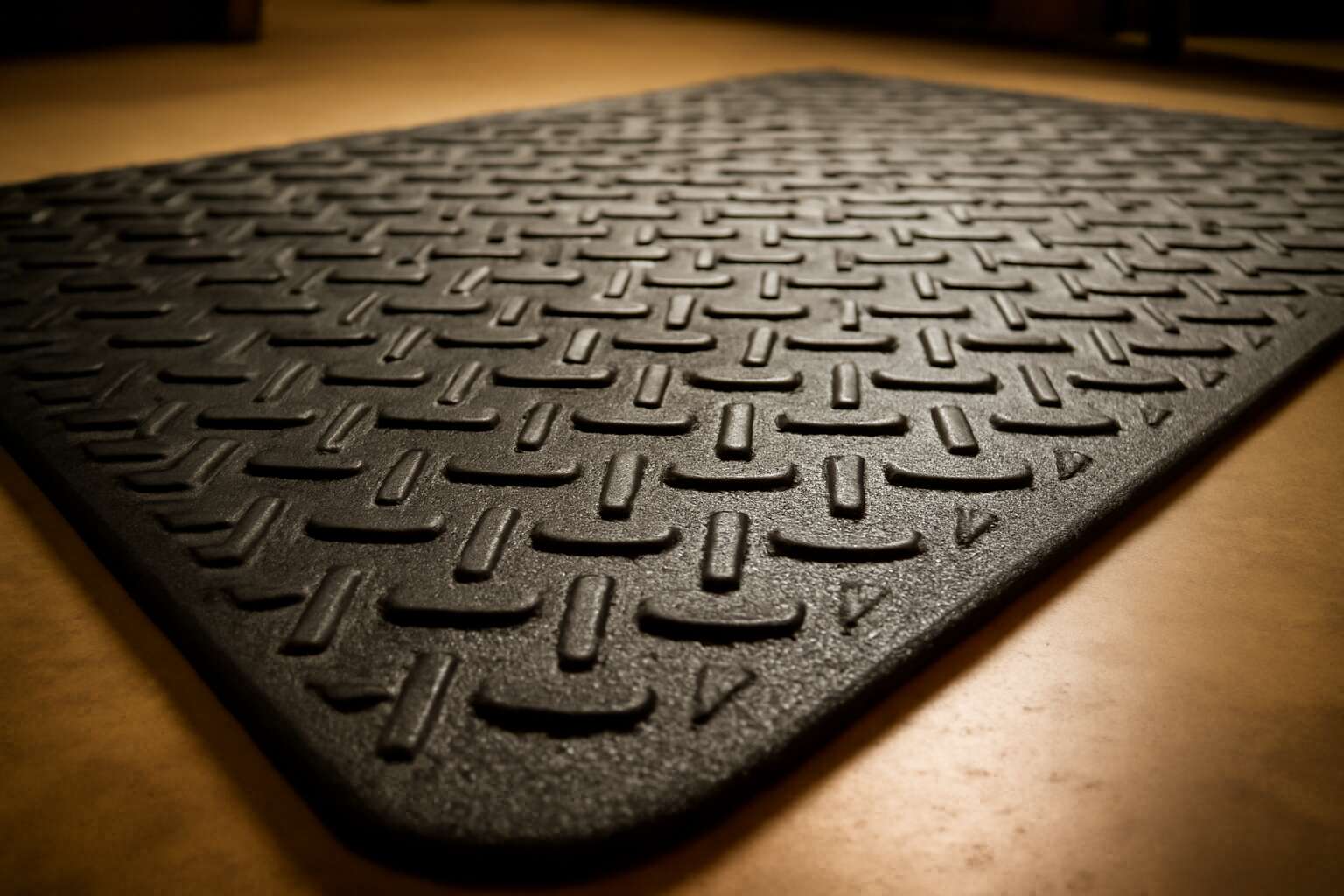
Overview of Thermal Rubber Floor Solutions
Definition and core features
Across South Africa’s factories and service floors, safety hinges on what lies beneath feet—slips cost SA businesses millions of rand in downtime each year. An insulated rubber floor mat becomes a quiet ally, marrying warmth with grip. Thermal rubber floor solutions are designed to trap a thin layer of warmth, dampen fatigue, and deflect the chill of concrete—so wrists, backs, and ankles stay more comfortable through long shifts.
Definition and core features emerge when you consider how warmth, grip, and durability cohabit a single surface.
- Anti-slip texture for wet or oily environments
- Impact absorption and fatigue reduction under heavy footfall
- Moisture, chemical, and cleaning resilience for varied SA workplaces
- Low-maintenance, easy-to-clean surface that maintains traction
These characteristics render the product adaptable from workshop bays to commercial kitchens in South Africa, where climate extremes tilt usage. The idea is not mere protection; it’s a daily investiture in worker well-being.
Materials used in insulated mats
Slips cost SA businesses millions in downtime each year, a stark reminder that safety begins at the feet. A well-chosen thermal mat does more than keep floors dry; it offers warmth that reduces fatigue during long shifts on cool concrete.
Overview of materials in insulated mats centers on grip, resilience, and warmth. For the insulated rubber floor mat, the outer skin is natural or synthetic rubber, paired with a foam core that traps heat without bulk. The surface stays pliant and dries quickly.
- EPDM and nitrile blends for wet or oily grip
- Natural rubber for durability and fatigue resistance
- Closed-cell foam cores for insulation
In practice, this means fewer slips and steadier shifts for teams relying on an insulated rubber floor mat across SA workplaces.
Primary benefits for safety and comfort
In South Africa, a single slip can derail a shift and cost a business thousands; across the country, slips cost millions in downtime each year. An insulated rubber floor mat does more than keep floors dry—it brings warmth that sharpens focus on cool concrete and reduces fatigue during long shifts.
Primary safety and comfort come from grip, resilience, and warmth.
- Sure-foot grip on wet or oily floors
- Thermal warmth that keeps joints comfortable during long shifts
- Durable construction that withstands heavy foot traffic
Speaking from the floor, I’ve seen how dependable grip and warmth translate into quicker, steadier shifts—especially in chilly bays across SA. This is more than insulation; it’s a measurable uplift in daily performance.
Typical environments and applications
In South Africa, a single slip can derail a shift and cost millions in downtime, the floor telling a quiet, fatal tale. An insulated rubber floor mat sits between risk and routine, turning cold, slick mornings into a steadier cadence.
These solutions blend warmth with grip, offering a barrier against damp concrete while dampening fatigue. They are designed for heavy footfall and long shifts, resisting oils, chemicals, and abrasion while remaining easy to clean and discreet in tone.
- Cold storage bays and chill rooms
- Food processing floors and commercial kitchens
- Warehouses, loading docks, and distribution hubs
- Automotive workshops and manufacturing lines
- Hospitals, laboratories, and sterile environments where cleanliness matters
From the floor, I hear the quiet promise of steadier steps and brighter mornings—a practical ritual that marries safety with focus.
Benefits and Applications of Thermal Rubber Floor Mats
Safety and slip resistance
Slip resistance isn’t a luxury; it’s the quiet engine of a safe, productive shift! In environments where ice-cold concrete meets industrial traffic, one well-placed insulated rubber floor mat can transform daily work into a steadier rhythm—reducing missteps, preserving momentum, and sustaining morale.
Beyond warmth, safety sits at the core of its utility. The mat’s engineered surface grips damp soles, while a resilient core absorbs shocks, shielding joints during long shifts.
- Slip resistance that remains reliable on wet or oily floors
- Fatigue reduction from cushioned support
- Durability under heavy foot traffic and frequent cleaning
Applications span from loading bays and workshop floors to service counters and cold-storage entryways across South Africa, where workers traverse chilly mornings with steadier footing and quieter footsteps.
Injury prevention and warmth
Foot frost and missteps are a common SA workplace tale, yet a single solution rewrites the script: a properly chosen insulated rubber floor mat reduces slip-and-fall incidents by up to 40% in chilly, high-traffic zones. It doesn’t stop at warmth—this mat translates cold floors into steady rhythm. The cushioned surface eases joints and keeps teams moving with confidence, even through back-to-back shifts.
Benefits at a glance:
- Modular layouts fit awkward spaces
- Quiet footsteps improve communication
- Low-profile variants for carts and pallets
Across South Africa, from loading bays and workshop floors to service counters and cold-storage entryways, an insulated rubber floor mat makes a tangible difference in daily routines. It anchors steadier footing in frosted aisles and keeps footprints soundless enough to hear a meeting’s tempo. Durable, easy to clean, and surprisingly pliant, it’s the unsung workhorse of efficient shifts.
Industrial and commercial use cases
In bustling South African workplaces, one seemingly simple addition can steady every step and sharpen focus. The insulated rubber floor mat doesn’t just shield cold feet—it sets a rhythm for high-traffic areas from loading bays to service counters. When the floor changes temperature, the mat helps teams stay balanced, productive, and unflustered through back-to-back shifts!
Applications include:
- Loading bays and packing areas
- Workshops and maintenance bays
- Retail floors and service counters
From cold storage to customer service corridors, these mats adapt to SA environments, offering durable footing that travels with busy teams and endures daily cleaning rituals.
Ergonomic and comfort considerations
Across South Africa’s bustling workplaces, foot fatigue steals time and focus. Recent field observations show up to 30% of productivity dips linked to cold feet and long stands. An insulated rubber floor mat transforms those steps into steady, confident strides.
- Anti-fatigue cushioning that reduces leg and lower-back strain
- Thermal comfort that steadies temperature-sensitive tasks
- Secure grip to minimize micro-slips on damp or dusty floors
- Gentle sound-dampening for calmer service counters and workshops
In practical terms, these mats endure daily cleaning rituals and maintain grip through damp mop downs and disinfectants, all while supporting ergonomic foot placement during long shifts. The insulated rubber floor mat remains a quiet ally, weaving warmth, balance, and productive tempo into every step.
Lightweight handling and maintenance
Footsteps on a chilly SA morning bite the first minutes of a shift; the insulated rubber floor mat turns that sting into steady rhythm. It delivers thermal calm and reliable grip, even as workshop temperatures swing from frost to bustle.
In practical terms, these mats prove versatile across spaces where feet linger and tasks demand focus.
- Retail and service counters
- Industrial workshops and loading bays
- Commercial kitchens and food-prep zones
- Healthcare corridors and reception areas
Lightweight handling keeps deployment nimble, and maintenance is a breeze—wipe down and mop, then roll on. The warmth travels with every step, guiding busy teams with a quiet, steady tempo.
Materials, Durability, and Design Trends
Core materials and insulation properties
Materials and insulation properties anchor insulated rubber floor mat, shaping its performance in ways you can feel. Core materials range from natural rubber to advanced SBR blends and even neoprene, each delivering a closed-cell structure that traps warmth while resisting moisture. This is how comfort meets grit on floors.
Durability takes center stage as busy corridors and workshop wear demand resilience. The mats resist abrasion, chemicals, and UV exposure, maintaining grip and shape under heavy foot traffic.
- Abrasion resistance that stands up to daily traffic
- Chemical and oil resistance for workshop environments
- Easy maintenance and long service life
Design trends offer the unexpected warmth of functionality for insulated rubber floor mat aesthetics, with subtle ribbing, matte textures, and modular layouts that fit offices, kitchens, and loading bays alike. Core materials and insulation properties guide colorways and edging choices, shaping a cohesive look that preserves grip, durability, and quiet confidence.
Surface textures and drainage
Materials carry more than a name; they whisper through the surface of an insulated rubber floor mat, shaping warmth and resilience. Natural rubber, SBR blends, or neoprene accents form a closed-cell shield that traps heat while fending off moisture, turning every step into a confident stride across cold floors.
Durability takes center stage in bustling corridors and workshop bays. The mats resist abrasion, chemicals, and UV exposure, preserving grip, edge integrity, and loft under heavy foot traffic.
Design trends flaunt warmth as purpose, with surface textures and drainage guiding both feel and function. Subtle ribbing, matte finishes, and modular layouts render the insulated rubber floor mat adaptable for offices, kitchens, loading bays—including South African corporate spaces—while edging and colorways reinforce a cohesive, professional atmosphere.
- Ribbed channels for traction and drainage
- Micro-dimple textures to shed liquids quietly
- Interlocking edges for modular, scalable spaces
Durability under heavy equipment
Heat loss on cold concrete can chew up to 15% of a shift’s comfort budget. Warehouses, kitchens, and loading bays feel it first. An insulated rubber floor mat—built from natural rubber, SBR blends, or neoprene accents—forms a closed-cell shield that traps heat while fending off moisture. It’s the practical luxury South African workplaces crave.
When forklifts thrum by and pallet jacks roam, durability isn’t optional—it’s survival gear. These mats resist abrasion, chemicals, and UV exposure, preserving grip, edge integrity, and loft under heavy traffic so floors stay safer and more forgiving as the day wears on.
Design trends favor warmth with purposeful texture and drainage. In SA offices, kitchens, and loading bays, ribbed channels, micro-dimple textures, and modular layouts deliver a cohesive, professional feel while keeping surfaces practical and easy on the eye.
- Ribbed channels for traction and drainage
- Micro-dimple textures to shed liquids quietly
- Interlocking edges for modular, scalable spaces
UV resistance and environmental impact
In South Africa’s warehouses, heat loss from cold concrete can trim a shift’s comfort by 15%. The insulated rubber floor mat offers a quiet shield, keeping warmth nearby and moisture out. Crafted from natural rubber with SBR blends or neoprene accents, its closed-cell structure stays forgiving under heavy traffic.
The insulated rubber floor mat isn’t just about grip; UV-resistant formulations fend off fading in bright bays. Alongside, low-VOC curing and recycled content shrink the environmental footprint while preserving durability and safety.
Design trends favor warmth and tasteful texture, with modular layouts that suit SA offices, kitchens, and loading bays. For the planet-minded, options with recyclable content and end-of-life programs help close the loop.
- Recyclable content
- Low-VOC manufacturing
- End-of-life take-back programs
Sizing, Shapes, and Installation Guidelines
Size selection by space and foot traffic
Every space has a footprint, and your decisions about an insulated rubber floor mat should fit that footprint like a glove. In South Africa, slip-related injuries cost businesses millions a year, so size selection by space and foot traffic isn’t cosmetic—it’s critical. Plan space, plan traffic, then pick your mat.
Shapes matter as much as size! Rectangles glide along hallways; squares anchor tight corners; and, if machinery looms, you can tailor a mat with curved edges to keep gaps to a minimum.
- Rectangular for long corridors and open bays
- Square for compact areas and pallet lines
- Custom shapes with curved edges to fit irregular footprints
Installation guidelines: unroll, let it relax, and trim to fit with a sharp knife. Seal edges where required and position seams away from doors for smooth transitions. In busy areas, a robust insulated rubber floor mat stays warmer and grippier, reducing washroom slips and missteps.
Edge profiles, mats, and interlocking systems
Foot traffic and footprint define success: a well-sized insulated rubber floor mat protects people and products without looking like an afterthought. In South Africa, slip injuries cost businesses millions yearly, so size isn’t cosmetic—it’s a safety and productivity decision. Aim for warmth, grip, and a footprint-fit that feels inevitable.
Edge profiles, mats, and interlocking systems act as the quiet engineers of coverage.
- Edge profiles for clean transitions
- Interlocking systems for seamless coverage
- Custom shapes for irregular footprints
Shapes matter as much as size: rectangular mats suit long corridors, squares anchor tight corners, and curved-edged options fill awkward footprints. Installation guidelines favor edge profiles and interlocking systems to maintain warmth and grip.
Safe installation and maintenance tips
In South Africa, slip injuries cost businesses millions yearly, a drumbeat that reminds me size isn’t cosmetic. An insulated rubber floor mat sized to the footprint acts as a quiet guardian, guiding traffic and preserving warmth without shouting for attention. I measure active zones by flow and fit the mat to the space.
Shapes matter as much as size! Rectangular mats suit long corridors, squares anchor corners, and curved-edged options fill awkward footprints. For irregular footprints, I consider custom shapes that maintain warmth and grip without creating trip hazards.
- Rectangular for corridors
- Square for corners
- Curved-edge to fit irregular footprints
Installation guidelines emphasise safe transitions. I secure edges, avoid overlapping seams, and keep surfaces dry during install. Maintenance is simple: I wipe with a mild detergent and re-check edges monthly to prevent creases that invite slips.
Compatibility with flooring types
Size is strategic. The insulated rubber floor mat becomes a quiet anchor, filling the footprint without crowding the room. A well-sized mat guides movement and preserves warmth, turning daily crossings into deliberate, safe flows. I evaluate the space and dial in a scale that feels almost invisible—yet does the heavy lifting.
Shapes matter as much as size. Rectangular mats suit long corridors, squares anchor corners, and curved-edge options fill irregular footprints.
- Rectangular mats for corridors
- Square mats for corners
- Curved-edge mats to fit irregular footprints
Installation guidelines emphasise safe transitions. Compatibility matters across concrete, ceramic tile, timber, vinyl, and epoxy floors, and the right backing plus edge profiles keep the mat stable on each surface. With an insulated rubber floor mat, surface interactions stay predictable, and the result is a quiet guardian underfoot.
Replacement and lifecycle planning
Size is strategic. The insulated rubber floor mat becomes a quiet anchor, guiding crossings without crowding the space. In South Africa, mornings are chilly, and warmth matters. In busy hallways, the right footprint preserves warmth and sets a calm rhythm for every step. An appropriately sized mat blends into the floor, almost invisible.
Shapes matter as much as size. Consider options:
- Rectangular mats for corridors
- Square mats for corners
- Curved-edge mats for irregular footprints
Installation guidelines ensure transitions. Backing, edge profiles, and interlocking options matter for performance on concrete, ceramic tile, timber, vinyl, and epoxy floors. The right mix keeps the mat stable and the floor quiet beneath footfall.
Replacement and lifecycle planning come into play as wear arises. Look for warranties, predictable replacement cycles, and recyclability. The insulated rubber floor mat should be part of a longer-term footprint strategy—less waste, more value, longer life.

0 Comments