
Comprehensive Guide to Rubber Flooring
Rubber Flooring Types and Materials
Floor fatigue isn’t a myth; it’s a byproduct of long shifts on hard surfaces. In a recent South African facilities survey, workers on rubber floor options reported 25% less fatigue after shifts and noticeably fewer sore feet the following day. That stat is more than a flash in the pan; it hints at surfaces with character and resilience.
Comprehensive Guide to Rubber Flooring reveals a surprisingly wide spectrum: soft, cushioned tiles, rugged rolls, and modular systems that can transform a workshop, gym, or showroom. The right choice blends comfort with durability, and a dash of planet-friendly sensibility.
- EPDM rubber—excellent UV stability and color longevity for sunlit zones
- SBR rubber—tough, with solid impact resistance for heavy equipment areas
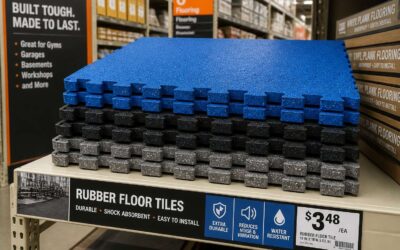
- Recycled rubber tiles—eco-friendly, ideal for gyms and play spaces
When weighing your options, consider thickness, density, and backing. A thoughtful approach to rubber flooring accounts for traffic, maintenance needs, and warranty terms, all while keeping aesthetics in scope.
- Thickness versus traffic and impact
- Density and underfoot feel
- Maintenance and warranty considerations
With a wink and a professional edge, rubber floor options offer practical performance without sacrificing style.
Durability, Safety, and Maintenance
Durability isn’t a trend—it’s a promise you feel underfoot after a shift. In South African facilities, rubber floor options endure the daily ballet of carts, sparks, and spills, refusing to surrender their cushion or color. The magic lies in a surface that resists gouges, shrugs off chemicals, and whispers safety with every step. A well-chosen floor ages with character, revealing fewer repairs and less downtime as the seasons turn.
Maintenance and safety go hand in hand. For lasting performance, look for slip resistance, chemical resilience, and UV stability in sunlit zones. A simple maintenance mindset and sensible protection from sharp objects keep impact marks at bay.
- Slip resistance ratings appropriate to your traffic
- Chemical and stain resistance for easy maintenance
- Warranty terms and expected life-cycle costs
In short, the right choice blends daily comfort with long-term resilience, making rubber floor options a worthy ally in any workspace.
Installation Methods and Site Preparation
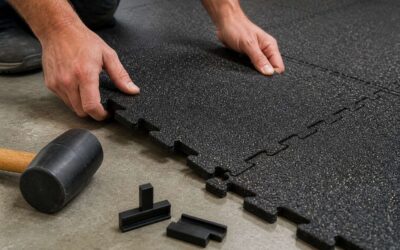
Your floor is the quiet coach that carries every shift. In South Africa’s busy facilities, a well-chosen installation method sets the tone for performance. Rubber floor options come in bonded sheets, loose-laid options, and poured-in-place systems. Each type responds differently to footfall, carts, and occasional spills, but all rely on site prep that respects substrate conditions, cure times, and room temperature. The result is a surface that stays comfortable, looks consistent, and ages with character.
Key site-prep considerations include:
- Substrate flatness and clean surface
- Moisture testing and mitigation
- Appropriate primers and adhesives
- Expansion gaps and edge detailing
When these elements are aligned, the surface delivers reliable, long-term performance.
Cost, Sustainability, and Lifecycle Value
In South Africa, the true cost of a floor unfolds over years, not months. A quiet formula of price, durability, and downtime keeps facilities humming. The numbers are more than dollars; they reveal how a surface handles busy shifts, carts, and the occasional spill!
Cost considerations extend beyond the sticker price. rubber floor options bring advantages like recycled content, lower lifecycle emissions, and fewer replacements over time. When you factor in transport, installation, and maintenance cycles, you start to see a broader story of sustainability woven into the floor’s fabric.
Lifecycle value hinges on resilience, comfort, and adaptability. A surface that ages with character remains legible and useful as spaces change. The best choice isn’t merely affordable; it’s a stable ally that balances cost, responsibility, and performance across years.
0 Comments