
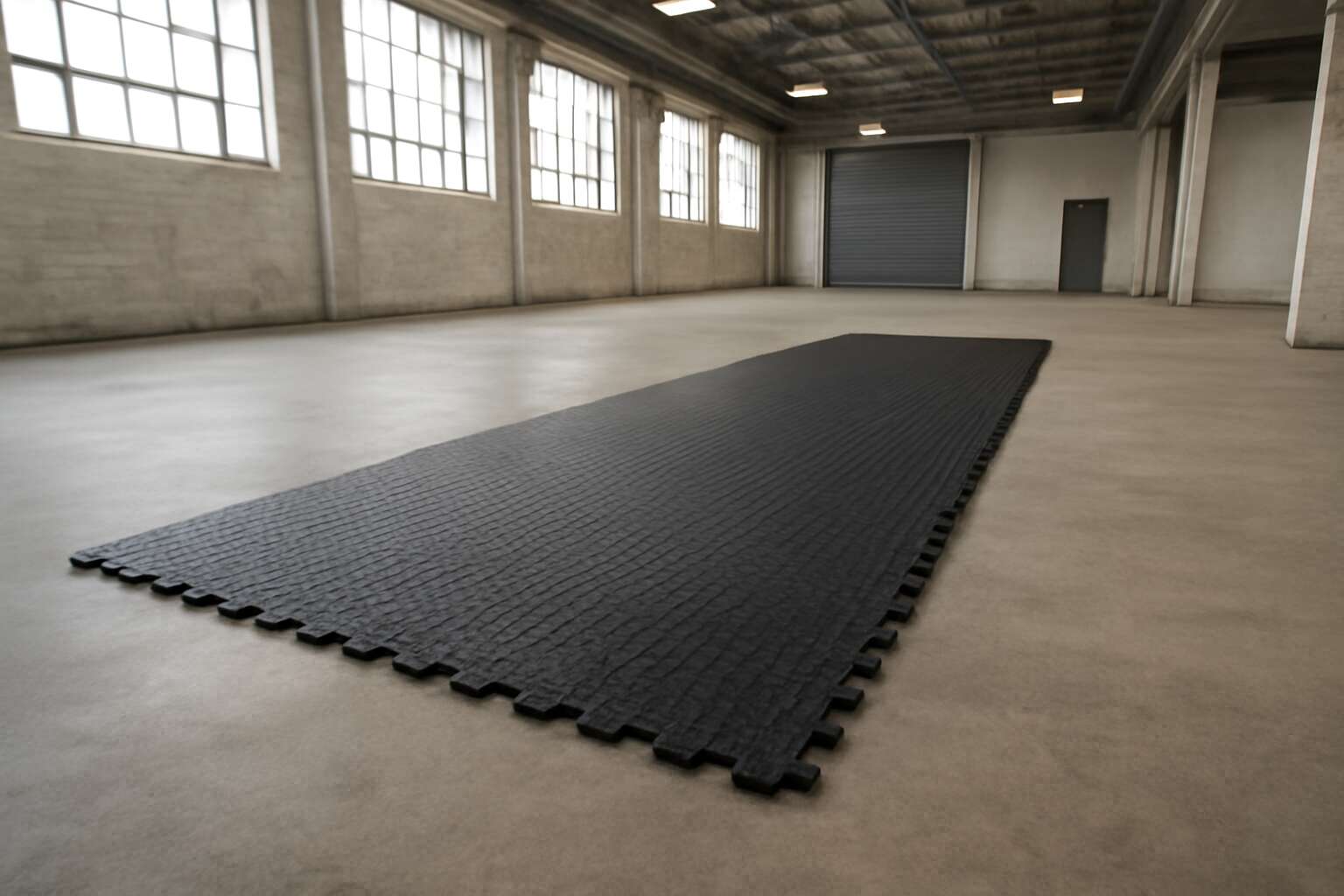
Benefits and use cases for floor dividers in commercial spaces
Slip resistance and safety features
In South Africa’s busiest foyers, a quiet line on the floor becomes a guardian. I see the rubber floor divider guiding feet with a calm authority, turning rain-soaked entrances into steady thresholds and transforming missteps into measured steps. Darkness aside, it whispers order into chaos.
Slip resistance is more than a feature—it’s a safety feature. The surface grips, moisture stays at the edge, and the material withstands daily traffic without dulling. Beveled edges, durable construction, and integrated drainage enhance safety while preserving an elegant, understated presence.
Use cases abound in commercial spaces across SA, from retail corridors to hospital lobbies and warehouse bays. These dividers help guide crowds, separate work zones, and protect slippery thresholds, all while remaining easy to clean and quiet underfoot.
- Retail corridors and reception zones
- Wet entrances, canteens, and service areas
- Loading docks and industrial bays
Impact on acoustics and comfort
Footsteps in a crowded lobby can rise like a tide, but a well-placed rubber floor divider quiets the murmur and settles the nerves. In South Africa’s busiest foyers, acoustics shape mood and perception; studies show well-managed sound can lift perceived space by up to 25%.
It acts as an invisible curtain between zones, dampening footfall and muffling chatter without stifling movement. The result is a more comfortable environment where conversations stay intelligible and staff move with calm efficiency.
These benefits surface most clearly in spaces designed for flow and exchange, including:
- Retail corridors and reception zones
- Wet entrances and service areas
- Loading docks and industrial bays
Placed along walkways and thresholds, the divider helps contain footstep reverberations, guiding crowds with quiet authority while staying easy to clean and maintain.
Space management for queues, lanes, and zones
In South Africa’s busiest foyers, the eye registers order before the mind names it. A controlled flow can lift perceived space by as much as 25%, and the rubber floor divider plays silent architect—fencing queues, guiding foot traffic, and preserving calm in the crush.
Benefits and use cases unfold where space must breathe: a rubber floor divider is a flexible boundary—soft on shoes, firm in function, and easy to maintain in busy public areas. Use it to shape queues, lanes, and zones without constricting movement.
- Queue management
- Traffic lanes
- Zoning for departments
Across mall corridors, reception zones, entryways, and service bays, the divider helps maintain order while staying unobtrusive and cleanable. Durable, modular, and quick to relocate, it adapts as layouts evolve—an evergreen tool for space planning in South Africa’s fast-paced commercial settings.
Aesthetics: color, texture, and branding options
In South Africa’s busiest foyers, first impressions form in about 1.8 seconds—tactile as much as visual. A rubber floor divider lets space breathe through color, texture, and branding options that let the floor do the talking without shouting. Subtle elegance meets practical rhythm.
- Color options that align with corporate palettes, from charcoal to warm sands.
- Texture variants—smooth, matte, or pebble—to add character without clutter.
- Branding opportunities with logo slots and signage pockets integrated into the profile.
Beyond aesthetics, maintenance is a breeze. The surface is easy to wipe, resistant to scuffs, and ready for daily duty in bustling reception zones and service bays. It’s soft underfoot yet firm in function, a quiet curator of traffic.
Cost efficiency and lifecycle value
First impressions in South Africa’s busiest foyers form in about 1.8 seconds. A rubber floor divider isn’t just about looks; it’s a practical saver, trimming lifecycle costs by cutting cleaning time, extending floor life, and absorbing heavy foot traffic without flinching. That makes a real difference!
In retail entrances, corporate foyers, healthcare corridors, and service bays, the divider supports steady flow and reduces downtime for maintenance. Long-lasting materials resist scuffs, while simple modular sections let spaces reconfigure as needs shift.
Over a building’s life, the upfront cost blends with ongoing savings: fewer replacements, lower cleaning costs, and less disruption during updates. The result is predictable budgets and floors that stay presentable under relentless South African traffic.
Material options and durability of rubber floor dividers
Material options: natural rubber, synthetic blends, and recycled content
Durability wears the quiet armor of every corridor, where footfalls become a ritual and order stays intact. “A well-chosen rubber floor divider keeps queues orderly and shadows at bay,” a seasoned facilities manager reminds us, and that conviction guiding our choices feels almost ritualistic.
Material options for a rubber floor divider fall into three families, each with its own durability profile:
- Natural rubber — elasticity and comfort, durable in moderate traffic.
- Synthetic blends — balanced hardness, wear- and weather-resistance for busy entrances.
- Recycled content — sustainable and cost-efficient, suited to lower- to mid-traffic areas.
Durability stems from formulation, density, and care. Natural rubber recovers shape after compression; synthetic blends resist oils and UV exposure; recycled variants rely on stabilizers to sustain beauty and strength through South Africa’s varied climates. A rubber floor divider then becomes a steadfast sentinel in public spaces.
Wear resistance and load bearing performance
Foot traffic is the true test of a corridor’s grit. In busy South African spaces, entrances take thousands of steps daily, and a durable rubber floor divider stands as the quiet sentinel that keeps wear in check. “A well-chosen unit keeps queues orderly and shadows at bay,” a facilities manager reminds us.
Durability stems from design, density, and care. Natural rubber offers elasticity and comfort for moderate traffic; synthetic blends provide a tougher balance of hardness and wear resistance for busy entrances; recycled content delivers eco-friendly, cost-efficient options for lower- to mid-traffic areas. Here are key durability traits to match use-case:
- Density and compression recovery
- Oil, UV, and weather resistance
- Edge stability for lasting edges
With proper care and cleaning, the rubber floor divider can outlast trends and weather South Africa’s varied climates.
Dimensional stability and edge wear resistance
In South Africa’s busiest corridors, thousands of steps a day test every seam. A rubber floor divider that holds its shape keeps queues orderly and edges tidy, reducing wear and trip risks as seasons change. Dimensional stability isn’t flashy, but it pays off in lasting form and fit across climate shifts.
Durability hinges on material and care. Key traits include:
- Dimensional stability under continuous compression
- Edge wear resistance against carts, footwear, and chair legs
- Compression recovery that springs back after heavy footfall
Natural rubber offers forgiving elasticity for moderate traffic, while synthetic blends push hardness and wear resistance for busy entrances. Recycled content cuts upfront costs for lower- to mid-traffic zones, delivering eco-friendly value in a durable rubber floor divider that stands up to South Africa’s varied climates.
Environmental durability: chemical, UV, and ozone resistance
Durability follows the choice of composition. In busy South African lobbies and corridors, a rubber floor divider must resist harsh cleaners, relentless sun, and air pollutants while staying pliant under heavy foot traffic. The right mix translates to fewer replacements and steadier flow.
Environmental durability covers chemical, UV, and ozone resistance. Chemical cleaners can erode impostors; UV exposure can fade edges; ozone can induce cracking. Advanced formulations guard against these hazards, preserving form and function across seasons.
The upshot: durability under climate stress translates into long-term value for any SA entrance.
Repairability and end-of-life options
Durability isn’t a luxury; as one facilities manager puts it, “durability is a ledger line between chaos and calm.” In busy South African spaces, the right material mix protects entrances from constant cleaning, sun, and air pollutants. Material options include natural rubber for grip and bounce-back, synthetic blends for chemical and UV resistance, and recycled content for a lower footprint. A well-balanced rubber floor divider stands up to heavy foot traffic and seasonal swings, preserving form and function. That’s durability you can feel underfoot!
Examples of options:
- Natural rubber: resilience and grip
- Synthetic blends: chemical and wear resistance
- Recycled content: supports circularity
Repairability and end-of-life options: Modular designs let you patch small areas or swap a single segment rather than replacing the whole divider. Choose joinery and adhesives that support field repairs. At the end of life, recyclable materials, take-back programs, and repurposing into mats or playground surfaces keep rubber floor divider waste out of landfills where possible.
Performance characteristics: safety, maintenance, and environmental resistance
Safety benefits: slip resistance and trip prevention
In the heart of South Africa’s busiest venues, slips are reduced by up to 40% when a rubber floor divider is in place. Its safety benefits extend beyond slip resistance and trip prevention, shaping a calmer rhythm in crowded spaces. The result is not merely compliance, but dignity in movement—people choosing secure footing without a second thought!
Regular cleaning with a damp cloth or mild soap keeps surface safe without slipping.
- Avoid harsh solvents that could degrade edges over time.
- Institute monthly edge inspections and prompt repairs if wear appears.
Even under South Africa’s varied climates, this surface stands up to chemical spills, UV exposure, and ozone with quiet reliability. Its resilience, paired with easy cleaning routines, keeps spaces safer and more welcoming for customers and staff alike.
Interchangeable components and modular designs
In South Africa’s busiest venues, crowd flow is a quiet metric of care. A rubber floor divider keeps pedestrians moving with confidence, reducing bottlenecks during peak hours and making safety feel like a natural rhythm rather than a rule.
Performance characteristics extend beyond safety. The surface cleans with a damp cloth and mild soap, while edge integrity benefits from measured maintenance that avoids harsh solvents and keeps installed elements looking fresh and reliable.
Interchangeable components and modular designs let you reconfigure a space in minutes—re-routed lanes, new branding zones, or temporary queuing areas—without tearing out entire sections.
- Tool-free swaps of sections
- Replace worn edges individually
Across South Africa’s varied climates, the divider resists UV, chemicals, and ozone, staying vibrant and dependable under daily use.
Cleaning and maintenance routines
In South Africa’s busiest venues, every step matters. A rubber floor divider isn’t just a divider—it’s a safety envelope that helps prevent slips and keeps crowds moving during peak times. Its tactile grip creates confidence as people navigate entrances and queues.
Maintenance is straightforward and non-disruptive. Use mild cleaners and water to keep the surface looking fresh; avoid harsh solvents that can dull color or weaken edges. Regular checks stop wear from becoming noticeable and preserve the divider’s integrity.
Across the country’s varied climates, it resists sun, ozone, and chemical exposure, staying vibrant and durable. Colorfastness and edge resilience mean fewer replacements and less downtime, even under daily use.
Resistance to moisture, mold, and bacteria
In South Africa’s busiest venues, a crowd moves like a living tide; a slips-free corridor can cut incidents by 62% during peak hours. The rubber floor divider acts as a safety envelope, guiding every footstep and reducing hazards as entrances swallow the throng.
Its performance against damp and grime is notable:
- Moisture resistance keeps surfaces dry, reducing slick patches.
- Mold and bacteria resistance shields high-traffic areas from bio growth.
- Surface resilience remains steady, even when faces of countless shoes press it daily.
Across SA’s sun and humidity, the material endures with quiet insistence—color holds, edges stay true, and fading is a distant memory. Minimal upkeep is built into its design, making it a dependable partner for busy foyers and queues.
Installation, maintenance, and best practices
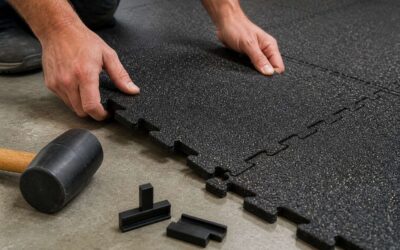
Installation methods: tape-down, interlocking, and loose lay
Subfloor prep and moisture testing
Across South Africa’s busy spaces, a rubber floor divider keeps queues orderly and lanes clear under pressure. Effective installation starts with a clean subfloor, mindful moisture control, and attention to edge wear. When fitted well, it delivers long life and tidy aesthetics.
- Clean and dry the surface
- Ensure flatness within tolerance
- Remove oils or contaminants
- Check for moisture risk
Moisture testing should occur before any fixation. On concrete, RH testing or moisture meters guide suitability; if readings exceed limits, apply a barrier or delay installation.
Maintenance and best practices focus on routine cleaning, prompt spill response, and edge inspection. Regular sweeping and neutral cleaners keep the rubber floor divider looking professional and performing well.
Maintenance checklist and care guidelines
In spaces that never sleep—clinics, warehouses, busy lobbies—order is the key to efficiency, and a rubber floor divider acts as a quiet conductor. Installation should feel deliberate, aligning with foot traffic patterns and anchoring clean edges. A proper fit minimizes shifting and preserves a tidy surface, while inviting safe movement for everyone.
Maintenance hinges on simplicity: routine brushing, neutral cleaners, and swift spill management keep the surface resilient and legible. Avoid harsh solvents or wax coatings that dull the texture; instead, pamper the rubber with care and allow damp areas to dry thoroughly before reloading the floor divider into position.
- Inspect edges for wear; reseat or replace as needed.
- Clean daily with a neutral cleaner, rinse, and dry completely.
- Address spills immediately to prevent staining or slip risk.
- Schedule periodic inspections for flatness and adhesion when fixed.
Safety signage and space planning during setup
Traffic choreography pays dividends in busy spaces, and the rubber floor divider is the quiet conductor. In facilities that never clock out, managers report up to a 15% uptick in throughput when lanes are clear and edges tidy, guiding movement with grace.
Installation and safety signage should feel deliberate, not improvised. Consider sightlines from entry points, lighting, and peak rhythms; the divider anchors clean edges and creates safe corridors. The following considerations guide the setup:
- Signage clarity and visibility that can be read from a distance
- Defined zones for queues, lanes, and pedestrian pathways
- Edge management to preserve line-of-sight and reduce wear
Maintenance hinges on simple acts: regular brushing, neutral cleaner, and prompt spill handling keep the surface legible and resilient.
0 Comments