
Benefits and safety of rubber tile playground surfaces
Impact safety and fall height compliance
In SA playgrounds, studies show that impact-absorbing surfaces can cut fall injuries by as much as 40%, a statistic that doesn’t shout—it simply saves little ones from harsh impacts. The rubber tiles playground surface remains cooler under the African sun, resists UV fade, and cushions every tumble with a forgiving give that fosters fearless exploration.
Key benefits include:
- Excellent impact absorption under swings and slides, keeping children safer
- Slip resistance when wet, reducing slips and bruises
- Durable, low-maintenance performance that stands up to busy SA schools and parks
Impact safety and fall height compliance are baked into the design—engineered to meet typical playground fall-height ratings and tested for consistent shock attenuation across seasons. That rubber tiles playground surface is specifically engineered to maintain performance in SA heat and sunlight, giving a steady safety cushion in every play session, aligning with local safety expectations for public spaces.
Slip resistance and weather performance
The rubber tiles playground surface stays cooler under SA sun and grips when it matters most. This choice reduces the risk of slips on damp mornings and heat-induced glare. It’s forgiving underfoot, inviting curious kids to explore with confidence—and with parents at ease.
Benefits in practice include:
- Slip resistance when wet, reducing slips and bruises
- Weather performance that endures heat, sun, and showers
- Durability and low maintenance for busy SA environments
Designed to endure SA heat, this surface cleans easily, resists UV fade, and keeps a steady cushion across seasons—ready for morning assemblies and after-school sessions alike.
Comfort accessibility and kid friendly design
Across South Africa, playground safety is a non-negotiable rhythm that shapes every design choice. A surface that cushions missteps and stands up to daily use becomes part of a child’s courage, not an afterthought. I see this rubber tiles playground surface offering soft underfoot comfort, seasonal resilience, and mindfulness of busy school mornings and after-school bustle.
- Inclusive accessibility with smooth transitions for wheelchairs and strollers.
- Gentle cadence underfoot that supports little joints and growing bodies.
- Colorful, kid-friendly design that invites imaginative play and group games.
These elements translate into calmer transitions and everyday joy across SA playgrounds.
Color durability and UV resistance
Color is the first thing a parent notices and the last thing a SA playground wants fading into the sun. Across hot climates, the rubber tiles playground surface keeps its hue far longer than painted rivals, thanks to UV resistance.
Color durability isn’t vanity; it’s uptime. The pigments resist fading and chalking, keeping lines legible and zones clear. UV stabilizers ensure a vibrant look through the seasons.
- Consistent color cueing for play zones
- Lower maintenance, fewer disruptions
- Bright, lasting visibility for safety
In practical terms, color stability minimizes maintenance disruption for teachers and caretakers across SA schools and communities, preserving inviting spaces for morning assemblies and after-school adventures.
Material composition durability and performance characteristics
Types of rubber used in tiles and their pros and cons
Compression and shock absorption ratings
In the quiet alchemy of a rubber tiles playground surface, SBR and EPDM join forces, with reclaimed tire crumb lending memory and grip. The result is a material that bends with sun and heat yet holds its shape, delivering consistent footing!
- UV stability and color fastness
- Moisture and freeze-thaw tolerance
- Abrasion resistance and edge wear
- Chemical and stain resistance
Durability and performance stem from this chemistry: UV stabilizers and moisture resistance keep color and resilience through SA’s heat. The closed-cell structure slows water ingress and resists cracking, fading, or surface slickness.
Compression and shock absorption ratings translate into real-world safety—an unassuming virtue that cushions each leap. Hardness is tuned to minimize rebound, while the surface preserves its safety margin across seasons.
Heat retention and play surface temperature
Heat is a real character in South Africa’s playground drama, and the right rubber tiles playground surface can steer the scene. In blazing midday, these surfaces stay noticeably cooler—often 15–20°C lower than sun-soaked pavement—thanks to a closed-cell structure and thoughtful pigment choices. I’ve seen how that thermal behavior quietly redefines play, keeping little feet comfortable while the world stays bright and relentless outside.
Blends of SBR and EPDM, augmented by reclaimed tire crumb, shape not just grip but heat response. Lighter EPDM hues reflect more sunshine; darker blends store heat. Add UV stabilizers and moisture resistance, and the surface maintains its integrity through South Africa’s sizzle and showers.
- Pigment choices govern heat absorption.
- Surface texture and thickness alter underfoot temperature.
- Moisture management minimizes heat buildup and slickness.
Thus, rubber tiles playground surface selection matters.
Durability against wear and tear
Fact: well-built surfaces cut maintenance costs by up to 40% over a decade. Durability in the language of a playground is simple: steady, steady, steady. The material composition of the rubber tiles playground surface is built to weather South Africa’s sun and rain without surrender. A compact blend resists scuffs from wheels and play equipment, and it keeps its form through years of muddy feet and outdoor life. The character of the surface—how it wears, how it cushions, how easy it is to maintain—comes from that thoughtful mix.
- Abrasion resistance that holds up to daily foot traffic
- Seam integrity and edge wear that stay tidy with minimal upkeep
- Chemical and moisture resilience for storms and spray-downs
- Repair-friendly composition that makes spot fixes practical
All of this translates into a surface that feels like home, even when the season is unkind.
Maintenance requirements and cleaning methods
South Africa deserves playground surfaces that outlive a season; a well-built rubber tiles playground surface can cut maintenance costs by up to 40% over ten years. The secret is a sophisticated blend of recycled rubber and a resilient binder that stands up to sun and rain. It wipes clean, resists scuffs, and allows muddy feet to melt into memory.
Maintenance requirements and cleaning methods are refreshingly straightforward. The surface is designed to shed water, resist staining, and recover quickly from daily use, so upkeep rarely disrupts routines. When cleaning is performed, the material’s integrity remains intact, preserving cushioning and edge cohesion for years to come.
This thoughtful composition translates into everyday ease, a surface that feels sturdy yet welcoming. I’ve seen caretakers breathe easier! Children play with carefree rhythm—a quiet nod to resilience and the American Dream in South Africa.
Design options installation considerations and accessibility features
Modular layouts and surface thickness options
Playground resilience in a single tile—rubber tiles playground surface is built to endure SA climates and heavy use. Design options span from vibrant color blends to subtle textures that hide scuffs. Modular layouts let you sculpt zones for active play, quiet corners, and beginner setups, while surface thickness options from 20mm to 60mm tune fall protection and drainage without adding bulk.
Installation considerations matter as much as looks. A level subfloor, proper drainage, and reliable edge transitions keep the surface stable in rain and sun. For accessibility, we design with smooth ramps, gentle gradients, and high-contrast edging that guides every child. This approach keeps play spaces cohesive and accessible.
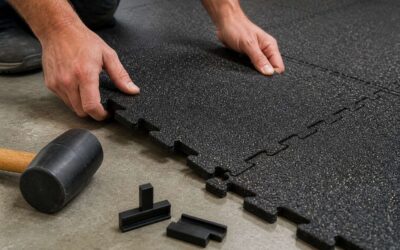
- Interlocking tiles for quick, clean installation
- Edge trims and ramp access for wheelchair users
- Modular patterns that accommodate growing playgrounds
ADA compliance and fall zones design
Safe play starts from the ground up. “Play safely, stay active” isn’t a slogan; it’s a design mandate. A rubber tiles playground surface blends bold color, varied textures, and modulars—perfect for SA climates and busy days.
Design options tailor mood and flow with color blends and textures that hide scuffs. Installation considerations stay simple: level subfloor, reliable drainage, and clean edge transitions. Accessibility keeps pace with ramps, gentle gradients, and high-contrast edging.
- Interlocking tiles for quick, clean installation
- Edge trims and ramp access for wheelchair users
- Modular patterns that accommodate growing playgrounds
ADA compliance and fall zones design are central. We set compliant clear zones around equipment and integrate fall protection into the surface, guiding movement with thoughtful color and texture in SA environments.
Edge finishes and transitions
Sun-baked SA playgrounds demand more than looks; they demand a surface that invites exploration without letting danger creep in. “Design is safety in motion,” says the studio, and this rubber tiles playground surface answers with bold color, varied textures, and modular layouts that keep play energetic and safe.
Installation stays practical: level subfloor, dependable drainage, and clean edge transitions form the backbone. Edge finishes seal out moisture and wear, while ramps and gentle gradients keep paths accessible for everyone. High-contrast edging promotes quick, intuitive navigation even in bright daylight.
A few thoughtful features elevate the experience:
- Edge detailing that minimizes trip hazards and creates durable boundaries
- Accessible transitions with rounded corners and non-slip textures for wheelchair users
- Wayfinding cues using color and texture to guide movement across the surface
This approach makes the rubber tiles playground surface a resilient choice for SA communities.
Safety standards and certifications to look for
Safety has a heartbeat, and the rubber tiles playground surface keeps it beating in SA’s bright sun. Bold color, varied textures, and modular layouts invite exploration while keeping little feet secure. “Design is safety in motion,” the studio insists, and this surface proves the claim with confident rhythms.
- Vibrant color palettes that withstand SA sun
- Textured patterns for grip and sensory play
- Modular layouts to zone activities
Installation stays practical: level subfloor, reliable drainage, and clean joints form the backbone of a safe rubber tiles playground surface. Accessible paths use rounded corners and non-slip textures, while ramps ensure wheelchair users can navigate with ease, every child feeling included by design.
Look for testing that blends international standards with local oversight, including SA compliance. For the rubber tiles playground surface, key certifications include:
- ASTM F1292 (impact attenuation)
- EN 1177 (impact safety)
Cost installation timelines and lifecycle value
Upfront costs vs long-term savings
A playground surface that outlasts a school term and a budget cycle? In SA, durability translates to fewer closures and lower maintenance bills, and nothing beats a rubber tiles playground surface when those goals collide.
Upfront costs vs long-term savings: While the initial outlay is higher than some alternatives, the lifecycle value shines through. Fewer replacements, simpler repairs, and better curb appeal translate to measurable savings over time. Installation timelines can vary with site prep, sub-base, and weather, but a quality installation keeps downtime short and predictable.
Over the long haul, the lifecycle value extends beyond money—less downtime, safer play, and consistent aesthetics.
- Tile thickness and edge finish affect installation depth and replacement intervals.
- Sub-base quality and drainage determine longevity and maintenance needs.
- Warranty terms and supplier support impact total lifecycle costs.
In the end, the surface isn’t just a layer of protection—it’s a long-term asset that keeps playgrounds turning joy into measurable return.
Installation timeframes and contractor considerations
Time is the quiet enforcer in any schoolyard. The rubber tiles playground surface is the champion of uptime, and early adopters report up to 30% fewer closures after installation. The upfront cost may be higher, but the lifecycle value shines as fewer replacements and simpler repairs accumulate over the years. Installation timeframes hinge on groundwork readiness, base stability, and seasonality, yet a well-planned project keeps downtime short and predictable.
Contractor considerations deserve their own chapter in this saga. Look for transparent scheduling, proven safety standards, and robust warranty terms; these elements safeguard long-term value and curb ongoing maintenance. In South Africa, a locally supported team plus accurate drainage assessment and proper edge transitions ensure the surface ages gracefully while staying vibrant and safe for every adventurous learner.
Maintenance costs over time
On South Africa’s schoolyards, uptime is currency. Industry data shows districts switching to rubber tiles playground surface can see up to 25% lower maintenance costs over ten years, even after installation. That upfront spend buys lasting stability and simpler upkeep as seasons change.
Installation timelines matter less when tiles snap together and spare parts are modular. Quick replacements reduce downtime and preserve program flow. The result is a strong lifecycle value: initial investment returns as fewer interruptions and consistent performance year after year.
- Tile-by-tile replacements limit downtime
- Non-porous surface simplifies cleaning
- UV-stable materials resist fading
Maintenance costs over time hinge on targeted renewals and routine checks, keeping budgets predictable.
Warranty terms and service options
In South Africa, uptime on schoolyard projects is currency. Industry data shows districts switching to rubber tiles playground surface can see up to 25% lower maintenance costs over ten years. I’ve learned that installation timelines matter less when tiles snap together and spare parts are modular—the upside is a faster, cleaner rollout and fewer interruptions, season after season.
Warranty terms and service options shape the long-term experience. Here’s what to expect from reputable installers:
- Comprehensive warranties covering installation quality, material performance, and UV fade
- Flexible service options including scheduled inspections, on-site tile replacements, and rapid-part access
- Transparent replacement policies and documented response times to keep playgrounds in service
The long game rewards restraint and clarity: with durable, modular design and clear service commitments, budgets stay predictable and play areas stay consistent year after year, reinforcing the value of the rubber tiles playground surface in any school environment.
Recycling and end-of-life disposal
In South Africa, uptime on schoolyards is currency. The rubber tiles playground surface goes down in a fraction of the time, thanks to snap-together modules and modular spare parts, delivering a clean rollout with minimal interruptions that teachers and pupils notice, season after season.
Long-term value comes from durability and predictable budgets. A durable playground surface resists weather and heavy use, while simple maintenance keeps costs low. When projects align with modular design, replacement cycles shrink to planned refreshes rather than surprise repairs, boosting lifecycle value over a decade.
End-of-life disposal is a quiet partner to the product’s life. Take-back programs and local recycling partners guide old tiles toward repurposing, extending value beyond the playground and supporting responsible procurement.
- Manufacturer take-back programs
- Local recycling partners and facilities
- Salvaged material repurposed into other play surfaces
Environmental impact certifications and best practices
Recycled content and sustainability credentials
Sustainability sells—buyers now demand cradle-to-cradle credentials for playground surfaces! Choosing a rubber tiles playground surface with recycled content helps divert tires and other post-consumer waste from landfills and supports a circular economy that benefits communities.
When filtering options, look for environmental impact certifications and best practices that prove recycled content is genuine and responsibly sourced. The following practices help ensure credibility and long-term value:
- Verify recycled content and material traceability at every stage.
- Seek third-party certifications (ISO 14001, Cradle to Cradle, eco-labels).
- Require lifecycle data and supplier sustainability commitments.
In South Africa, aligning with sustainability credentials and local recycling initiatives enhances community acceptance and long-term viability of the playground surface. A well-documented lifecycle and clear end-of-life pathways boost confidence among clients and end users alike.
VOC emissions and indoor air quality
We breathe what we build, and in the schoolyards where laughter echoes, the air should stay clean. The rubber tiles playground surface can off-gas fewer pollutants when produced with low-VOC binders and rigorous testing. South Africa’s community spaces seek materials that guard indoor air quality while withstanding sun and rain; a durable surface must be mindful of occupants as it is of weathered timber and dusty air.
- ISO 14001 Environmental Management
- Cradle to Cradle Certified
- GREENGUARD Gold or FloorScore (IAQ certifications)
Look for third-party certifications that verify environmental impact and indoor air quality for the surface and installation processes, ensuring low-emitting binders, tested emissions over time, and transparent supplier commitments. In South Africa, this credibility resonates with schools, parks, and communities seeking safe, breathable play spaces.
Certifications to verify safety and performance
Air you can trust is the quiet hero of every schoolyard and park! A rubber tiles playground surface stays breathable even after years under sun and rain. In South Africa, environmental impact certifications and best practices light the path to safer, longer-lasting choices.
- ISO 14001 Environmental Management
- Cradle to Cradle Certified
- GREENGUARD Gold or FloorScore (IAQ certifications)
Third-party certifications verifying low-emitting binders, emissions testing over time, and transparent supplier commitments lend credibility. In South Africa, this resonates with schools, parks, and communities seeking a rubber tiles playground surface that guards indoor air quality while withstanding harsh weather.
Best practices for maintenance and safe playground use
Environmental impact certifications anchor trust in playground safety. In South Africa, schools and communities value independent validation that binders stay low-emitting and that products reveal their supply chain commitments. Third-party seals—ISO 14001, Cradle to Cradle, GREENGUARD Gold, FloorScore—signal a rubber tiles playground surface designed for long life, with resilience to sun and rain and fewer fumes over time!
Best practices for maintenance and safe use include regular cleaning with mild cleaners, quick repairs to damaged edges, and clear play-area signage. This rubber tiles playground surface approach also supports safer cleaning and edge care. A simple checklist keeps upkeep predictable and the surface welcoming for every child.
- After heavy rains, inspect drainage and standing water
- Seasonal deep-clean using non-abrasive, pH-neutral cleaners
- Repair or replace loose tiles and re-seal edges to prevent trips
- Promote dry surfaces and non-slip footwear during play
0 Comments