
Product categories and types
Bumper varieties for rubber flooring
Impact in South Africa’s warehouses is costly and often invisible until downtime hits. A single collision can trigger delays, damaged inventory, and stubborn repairs, pushing up to 12% of annual maintenance budgets. I’ve watched edges chip and doors scuffed when protection was absent; rubber floor bumpers rewrite that script, offering product categories and bumper varieties tailored to every aisle, dock, and doorway.
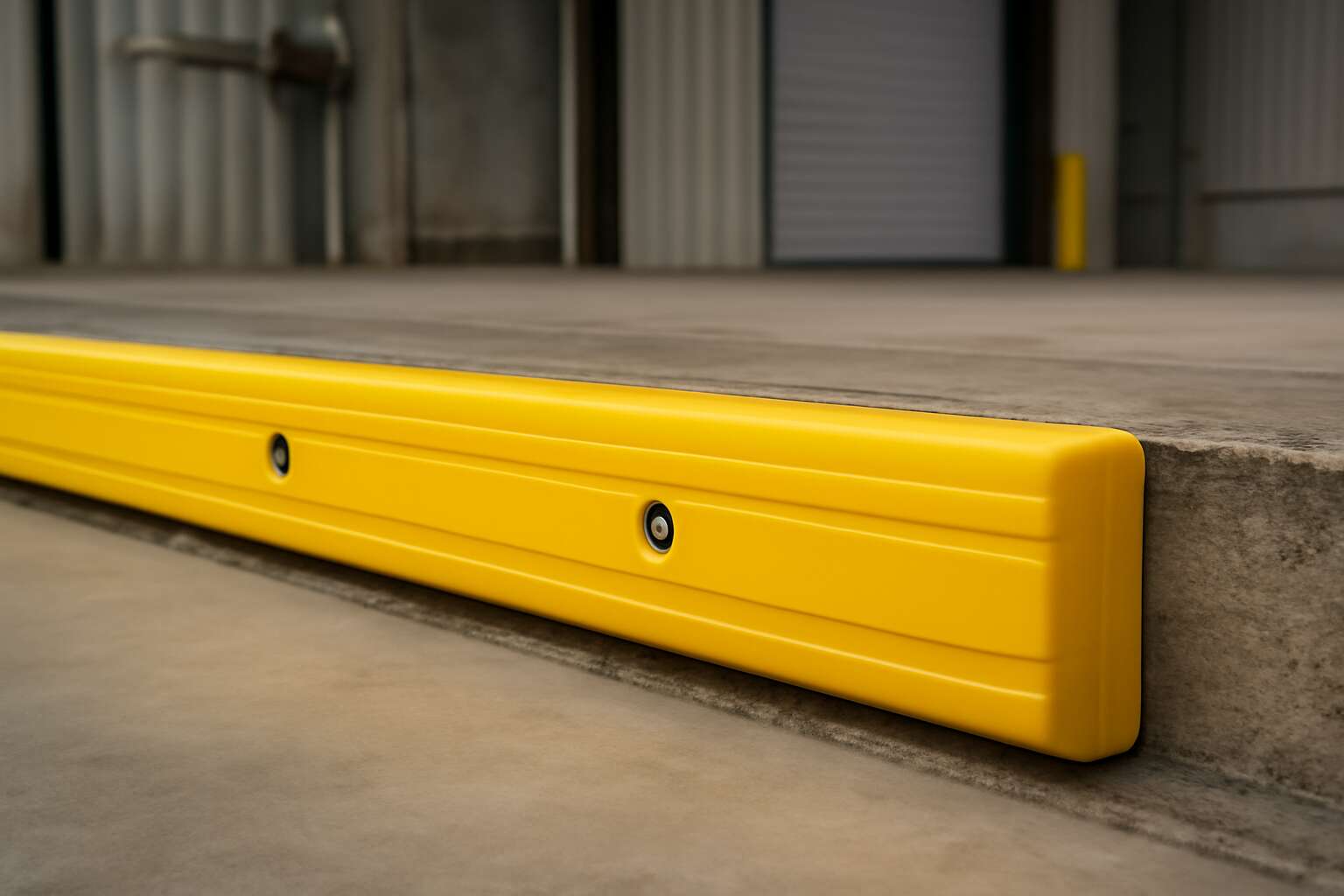
- Standard bumper blocks — thick, resilient, floor-mounted cushions that absorb light to moderate forklift contact.
- Dock and ramp bumpers — heavy-duty protectors for loading areas and warehouse thresholds.
- Corner and edge guards — shields for corners, columns, and edge transitions that reduce wear.
- Wall guards and door jamb protectors — adhesive-backed strips that keep walls pristine in high-traffic zones.
Standard vs heavy-duty designs
From the hum of South Africa’s busy floors arises a startling figure: a single mishap can siphon a surprising slice of the annual budget—up to 12%—through downtime and repairs. Rubber floor bumpers act as quiet guardians, offering tailored protection across aisles, docks, and doorways.
To match demand, designers split them into standard and heavy-duty designs. Standard versions cushion light to moderate forklift contact, while heavy-duty models brace high-energy impacts in busy loading zones.
- Everyday-use bumpers: adequate for routine handling and gentle collisions.
- Heavy-duty bumpers: built for rougher traction and harsher environments.
In the rhythm of moving goods, these protectors become unspoken poets—turning corners into confident lanes and turning downtime back into uptime.
Size options and configurations
On South Africa’s bustling warehouse floors, a single collision can siphon a surprising slice of productivity—up to 12% of downtime costs. Rubber floor bumpers act as quiet guardians, absorbing shocks and keeping goods moving along docks, aisles, and doorways.
Product categories and types extend beyond simple cushions: dock bumpers, corner guards, edge protectors, and modular strip systems, each sized to fit busy lanes. From compact, low-profile forms to tall, rugged blocks, these solutions tailor protection without slowing traffic.
Size options and configurations ensure a precise fit for every scenario:
- Lengths from 150 mm to 2,000 mm
- Cross-sections including square, rectangular, and low-profile shapes
- Mounting methods such as bolt-down, adhesive, or interlocking channels
Choosing the right configuration balances footprint, density, and resilience; I’ve watched warehouses breathe easier when the fit is right.
Color and finish options
In busy South African warehouses, a single collision can siphon up to 12% of downtime costs. The right touch of protection does more than stop carts—it shapes behavior. The rubber floor bumpers lineup goes beyond padding, guiding traffic and guarding corners with quiet resilience.
Within product categories and types, color and finish options are about safety cues and maintenance ease. The range includes UV-stable pigments and textures designed to resist wear in bright docks.
- Black
- Safety yellow
- Signal red
- Charcoal gray
- Blue/green tones
The finish can affect cleaning, glare, and longevity; a thoughtful choice helps staff move with confidence through aisles and doorways.
Specialty bumpers for corner and edge protection
In busy South African warehouses, a single collision can siphon up to 12% of downtime costs. That’s where rubber floor bumpers designed for corners and edges make the difference. Specialty bumpers for corner and edge protection guard high-traffic junctions without clashing with your workflow.
Within this product category, you’ll find purpose-built corner bumper shields, edge protection strips, and post guards that slip neatly against columns. They’re engineered to absorb impact, guide traffic along safe lines, and minimize noise as pallets brush by docking zones. The result is gentler impacts and longer life for racks and walls.
- Corner bumper shields
- Edge protection strips
- Post and column guards
These options complement the broader lineup, offering discreet protection that doesn’t interfere with equipment or staff movement.
Applications and use cases
Industrial and manufacturing facilities
Behind every efficient shift in South Africa’s bustling factories lies a quiet ally. Rubber floor bumpers keep wheels steady, doors aligned, and crews moving with confidence, turning potential chaos into smooth, measurable productivity. The right solution absorbs shocks that would otherwise ripple through racking systems and workstations, saving time and money with every load.
Practically, here are common applications in industrial and manufacturing spaces:
- Loading docks and forklift corridors
- Aisles and traffic zones
- Machine bays and perimeter areas
- Storage racks and pallet lanes
Durability and easy maintenance suit the South African climate, turning everyday protection into long-term value across industries.
Warehouse and loading dock safety
Across South Africa’s busiest warehouses, even a minor bump costs minutes and money. Rubber floor bumpers act as quiet sentinels, absorbing shocks before they ripple through docks, doorways, and pedestrian zones, turning potential chaos into steady, measurable throughput.
In practical terms, they equip spaces such as:
- Dockside bays and fleet lanes
- Walking paths and vehicle junctions
- Perimeter edges around machinery and work cells
- Racking corridors and pallet lanes
Durability and easy maintenance suit South Africa’s climate, turning everyday protection into long-term value with rubber floor bumpers.
Gym and fitness centers and studios
Across South Africa’s busiest gyms, a week of workouts can tally more than 20,000 footsteps and hundreds of dropped weights—wear that quietly erodes margins and momentum. These rubber floor bumpers stand as quiet sentinels, absorbing shocks before they ripple through treadmills, racks, and studio spaces. In the glow of morning classes, I feel the difference: safer, softer, and more responsive to every rep.
- Weight training zones and rack surroundings
- Cardio spaces, studios, and multipurpose rooms
- Doorways, entryways, and high-traffic corridors
- Equipment bays and trolley paths for carts
Designed for SA climates, these bumps resist moisture and sweat, keeping floors cleaner and corners safer. They—rubber floor bumpers—quietly support athletes, protect gear, and maintain a steady rhythm from warm-up to cool-down.
Public spaces and retail environments
In South Africa’s busiest spaces, floors carry more than traffic—they carry stories of safety, flow, and quiet elegance. Rubber floor bumpers act as unspoken guardians, absorbing shocks as trolleys rattle by and crowds press toward storefronts. In public spaces and retail environments, they preserve the rhythm from dawn to dusk, turning potential chaos into curated calm.
Where you want it most, these bumps find their stage:
- Public lobbies and atriums
- Shopping centres and retail corridors
- Transit hubs and concourse areas
- Hotels, restaurants, and front-of-house spaces
Designed for SA climates, rubber floor bumpers resist moisture and sweat, keeping surfaces cleaner and corners safer. Their presence is a quiet promise of durability, from morning rush to evening unwind.
Outdoor and weather-exposed areas
Outdoor flows in South Africa’s busiest spaces endure sun, rain, and the occasional dust storm. In bustling venues, thresholds become stages for thousands of footsteps and trolley rumbles each day, testing the margins where floors meet doors. Rubber floor bumpers act as quiet sentinels, absorbing shocks and guarding corners so entrances stay welcoming and safe, even when weather and crowds collide.
Applications in outdoor and weather-exposed areas include:
- Entrance forecourts and canopy-adjacent walkways that face sun, rain, and spray
- Exterior loading docks and service bays prone to moisture and debris
- Ramps, external stair landings, and outdoor seating terraces where traction matters
Designed for SA climates, these bumpers resist moisture, heat, and UV exposure, keeping surfaces cleaner and corners safer through every season. In this way, the bumps turn outdoor spaces into durable, welcoming corridors—calm amid the weather and the bustle.
Acoustic and vibration control applications
Across SA’s busiest spaces, impact noise can slice through conversations and focus. Industry acoustics estimates that up to 40% of ambient noise in busy offices is impact-related, turning floor interactions into a daily nuisance! Acoustic and vibration control solutions are essential to quiet this din.
These systems include rubber floor bumpers acting as quiet shields, absorbing shocks and damping reverberations so machines, carts, and footfalls don’t rattle through ceilings and partitions.
- Music schools and rehearsal spaces where timing matters
- Showrooms, corridors, and lift lobbies with high foot traffic
- Workshop bays and service zones with frequent equipment movement
Performance and specifications
Impact resistance and durability testing
Performance and specifications for rubber floor bumpers matter more than the glossy finish. In South Africa, studies show that over 60% of floor damage in busy facilities results from impact with equipment. That’s why reliable bumpers must meet rigorous standards for energy absorption, load-bearing capacity, and long-term elasticity. In testing, we examine how quickly a bumper dampens shocks, how it rebounds after impact, and how it resists deformation under repeated contact.
- Impact energy absorption under typical equipment collisions
- Compression set and long-term rebound
- Environmental durability: heat, cold, moisture
These tests ensure performance remains consistent across industrial environments.
Load ratings and safety standards
In South Africa’s bustling facilities, a single misjudged impact can bruise floors and halt production. rubber floor bumpers deliver predictable energy absorption, robust load-bearing, and enduring elasticity. Our assessments track how swiftly a bumper dampens shocks, its rebound after impact, and its resistance to deformation under cyclical contact.
- Load ratings: static and dynamic capacities that match equipment collision energy
- Safety standards: adherence to local and international certifications relevant to SA facilities
- Environmental durability: performance across heat, cold, and moisture cycles
In practice, that triad translates to fewer floor repairs, steadier workflows, and longer service life across South Africa’s demanding environments.
Environmental resistance (UV, moisture, temperature)
Performance hinges on predictability, and rubber floor bumpers soak up shock with controlled energy, keeping carts, people, and gear safe! A bumper’s static and dynamic load ratings align with collision energy, so you never guess when the next impact will land. Rebound stays steady, resisting permanent deformation over cycles.
Environmental resistance matters more than looks in SA’s climate extremes. Sun, moisture, and shifting temperatures test any bumper. Bumpers built with UV-stable materials age slowly in bright light, shrug off humidity, and stay pliable from scorching afternoons to frosty nights.
All told, these traits extend service life and minimize downtime, keeping South Africa’s facilities moving smoothly even under demanding shifts.
Chemical resistance and cleaning guidelines
In plant corridors where carts clatter, a bumper earns its keep daily. Rubber floor bumpers deliver predictable energy absorption, with static and dynamic load ratings aligned to collision energy so you don’t guess what lands next. Rebound stays steady through thousands of cycles, protecting people and gear with quiet reliability.
Chemical resistance and cleaning guidelines—these matter as much as tread patterns. The material handles oils, fuels, and many common maintenance cleaners, while staying pliable under heat and humidity. To protect longevity, avoid prolonged contact with harsh solvents and heavy aromatic cleaners; stick to neutral or mild cleaners.
- Oils, fuels, hydraulic fluids commonly found in workshops
- Alkaline and neutral detergents used for routine cleaning
- Strong solvents and aromatics that can sap elasticity over time
Like a sturdy fence post in the Karoo, these bumps stand against weather and wear, keeping SA facilities moving with quiet confidence.
Noise reduction and floor protection benefits
In bustling South African corridors, every clatter tells a story. A single, well-placed set of rubber floor bumpers turns a tense collision into a smooth, controlled kiss of energy. “Quiet is productive,” a plant supervisor says, and the bumpers prove it.
Performance and specifications: rubber floor bumpers deliver predictable energy absorption, with static and dynamic load ratings aligned to collision energy so you don’t guess what lands next. Rebound stays steady through thousands of cycles, protecting gear and people.
Noise reduction and floor protection benefits anchor the floor’s long life. Impact energy is dispersed so coatings wear evenly and floors stay truer. They damp vibrations, safeguarding subfloors and adjoining rooms.
- Noticeable noise reduction during impacts
- Protection against substrate deformation and wear
- Stable performance across temperature and humidity
Longevity and maintenance indicators
Performance and longevity aren’t wishful thinking—they’re baked into rubber floor bumpers. These bumpers deliver predictable energy absorption across thousands of cycles, with static and dynamic responses staying steady from the cool Cape Town’s mornings to the heat of inland corridors. In South Africa’s bustling spaces, that reliability translates into quieter operations and safer handling of heavy loads.
- Visible wear on the contact face indicating service life
- Consistent rebound energy after repeated impacts
- Uniform surface texture without glazing or cracking
- Color and texture that show minimal degradation under cleaning routines
When these indicators appear, the bumper’s story is clear: steady performance, economical upkeep, and long life in the field.
Installation, maintenance, and replacements
Surface preparation and mounting options
Impact is the quiet adversary of busy floors in South Africa, until protection speaks up. “The difference is in the quiet protection,” a facility manager notes, and rubber floor bumpers prove it—an unseen shield that guides traffic and reduces downtime. Installation, done right, shapes performance.
Surface preparation and mounting options determine longevity. Start with a clean, dry substrate; repair irregularities. For mounting, adhesive on smooth concrete, mechanical fasteners for heavy use, or a hybrid approach in active areas work well. Ensure flush seating before cure.
Maintenance and replacements keep rubber floor bumpers performing. Regular checks for cracks or wear extend life; clean with mild cleaners and avoid solvents that degrade rubber. When wear shows, swap for modular designs to minimize downtime.
Adhesive vs. mechanical fasteners
Foot traffic never sleeps, and in South African facilities uptime is the quiet guard we rely on. “Uptime is the quiet shield,” says a facilities manager, and downtime costs creep into daily operations. Protection underfoot matters. Installation hinges on three truths: adhesive on clean, smooth concrete; mechanical fasteners for heavy use; and hybrid methods in active zones. Ensure flush seating before cure—rubber floor bumpers prove their worth as a shield.
Maintenance is patient discipline. Inspect for cracks, swap worn sections early. Clean with mild cleaners; avoid solvents that degrade rubber. When wear shows, modular designs minimize downtime.
Adhesive vs. mechanical fasteners: in dry, stable substrates, adhesive works; in high-traffic zones, fasteners offer grab and replaceability. A hybrid approach fits mixed-use areas.
- Adhesive on smooth, clean substrates
- Mechanical fasteners for high-traffic zones
- Hybrid systems in mixed-use areas
Edge joining and seam management
Downtime is a stealthy budget thief—quiet, persistent, and right under your nose. In South Africa’s busy facilities, even a marginal edge gap can become a loud problem. “Edge protection isn’t glamorous, but it’s glorious,” quips a facilities manager. Enter rubber floor bumpers—the unsung shield that keeps foot traffic flowing and floors intact.
Installation hinges on clean lines and clean seams. Edge joining and seam management demand consistent alignment so transitions are smooth and unobtrusive, even in high-traffic corridors. When the bumps sit flush with adjoining surfaces, wear and creep are minimized, and the floor remains readable from doorway to doorway.
Maintenance and replacements become straightforward when modular design is in play. Regular inspections catch micro-cracks early, and worn sections can be swapped without drama. A well-seated system also preserves acoustic performance and surface finish, keeping the space looking sharp while the factory floor keeps moving.
- Seams that align with traffic flow for minimal disruption
- Flush seating at transitions to reduce trip hazards
- Modular replacement options to minimize downtime
Cleaning and preventive maintenance
Foot traffic is a force that quietly dents budgets. “Edge protection isn’t glamorous, but it’s glorious,” says a facilities manager in Cape Town. Rubber floor bumpers act as a quiet shield, guiding movement and shielding floors from the daily grind.
Installation hinges on flush alignment and clean seams. When bumps sit neatly against adjoining surfaces, transitions stay smooth and unobtrusive in busy corridors. A modular approach helps you swap worn sections with minimum fuss, keeping the floor readable from doorway to doorway.
Maintenance centers on cleaning and timely replacements. Regular, non-abrasive cleaning preserves surface finish, while inspections catch micro-cracks before they spread. A well-seated system preserves acoustic performance and keeps foot traffic flowing without drama.
Wear assessment and replacement criteria
Installation hinges on flush alignment and clean seams—bumpers that sit neatly against adjacent surfaces keep transitions smooth in busy hallways. A modular system lets you swap worn sections with minimal fuss.
Maintenance centers on timely replacements. I’ve seen regular inspections catch micro-cracks and compression dents before they spread. Wear assessment focuses on rebound loss, edge chipping, and fading color.
- Loss of rebound or soft spots
- Edge delamination or mounting looseness
- Persistent color fade affecting grip
Replacement criteria: segments with persistent deformation, gaps or mounting instability should be swapped. This keeps foot traffic flowing and preserves the floor’s readability from doorway to doorway; rubber floor bumpers for high-traffic South African environments stay resilient when properly mounted.
0 Comments