
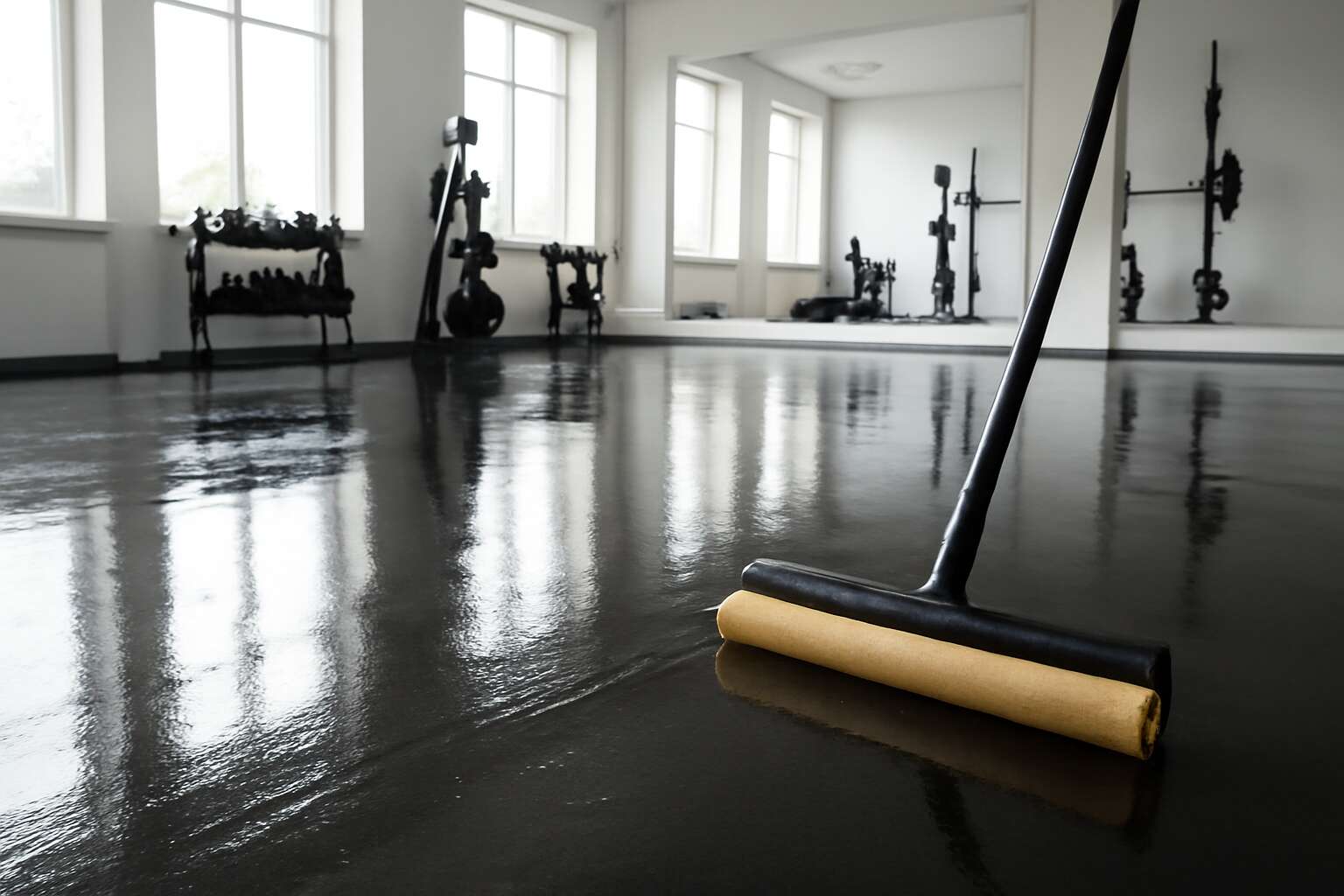
Rubber Flooring Protection: Basics and Benefits
What rubber flooring protection means
Across South Africa’s busy workshops and rural sheds, a solid floor is more than just a surface—it’s peace of mind. Research suggests that proper protection can extend rubber flooring life by up to 30%, a reminder that sealing pays for itself over time. Rubber flooring protection guards against moisture, oils, and abrasion, keeping traction steady and colors true. A dependable rubber floor sealer forms a protective film that resists the daily grind, yet stays pliant in changing temperatures.
- Protects against moisture and oils
- Resists scuffs and abrasion
- Eases cleaning and enhances safety
From depots to farm sheds, rubber floor protection delivers practical gains. A trusted sealer can simplify routine cleaning, preserve shine under dusty conditions, and extend the surface life—lowering replacement frequency and supporting steady workflow in communities that value reliability.
Key benefits for commercial and residential spaces
In South Africa’s busiest workshops, a sealed rubber floor can stretch service life by as much as 30%, turning maintenance into a predictable cost. Rubber floor protection relies on a flexible film that shields the surface from wear, spills, and temperature swings, while staying pliant enough to handle daily traffic. The result is a floor that keeps its grip, looks cleaner longer, and resists the fade of dusty environments.
- Maintains traction and safety in high-traffic areas
- Facilitates easier cleaning and longer intervals between scrubbing
- Preserves colour and integrity in heat, dust, and chemical exposure
A rubber floor sealer remains a practical choice for both industrial spaces and home workshops, delivering reliability where it matters most.
Common misconceptions about rubber floor protection
Protecting rubber floors hinges on a flexible film that resists wear, spills, and temperature swings without stealing grip. In South Africa’s busiest workshops, a rubber floor sealer can trim maintenance costs by up to 25% and keep traffic moving.
The basics lie in a coating that stays pliant as hands pass and wheels roll. It reduces micro-scratches, makes spills bead for easier cleanup, and protects colour under harsh dust and heat. This isn’t about a hard shell; it’s about balance—an enduring film that handles daily traffic and cleans more easily.
Common misconceptions about rubber floor protection include:
- It creates an impermeable, slick surface that compromises safety.
- One coat suits all rubber products and conditions.
- Sealers permanently fix flaws; maintenance isn’t needed after sealing.
When chosen correctly, a rubber floor sealer supports longevity, keeps texture readable, and preserves durable aesthetics in South Africa’s tough environments.
Sealing vs protecting: choosing the right approach
In South Africa’s busiest workshops, a rubber floor sealer can trim maintenance costs by up to 25% and keep traffic moving.
The distinction between sealing and protection is about balance: not a hard shell, but a pliant, resilient film that resists spills and micro-scratches while preserving grip.
Think of it as footwear for the floor: flexible, breathable, and ready to roll with daily demands.
Consider these factors:
- Traffic type: wheeled loads, foot traffic, and stops
- Environment: dust, heat, and cleaning chemicals
- Maintenance cadence: frequency of mopping and detergents
Choosing the right approach means recognizing the goal: shield against wear while maintaining traction and ease of cleaning.
When applied correctly, a rubber floor sealer protects colour and texture under harsh dust and heat.
This is stewardship in motion—preserving value without fretting over every spill.
Rigorous selection means aligning site realities with film performance, not fashion.
How to Apply Sealants on Rubber Floors
Surface prep essentials for rubber floors
A flawless finish on rubber floors begins before a single brushstroke. In fact, more than 60% of sealant failures trace to dusty, damp, or uneven substrates—the quiet saboteurs of shine.
Surface prep essentials for South African spaces demand honesty: grit is banished, oils are lifted, and the surface is left with a respectful dryness. A well-chosen rubber floor sealer bonds best to a surface with even porosity, free of residue and suds. Ambient conditions matter; extremes of heat or humidity are avoided, and the floor is allowed to breathe before the sealant meets it.
With honest prep, the rubber floor sealer performs like a quiet orchestra underfoot, guarding against wear as the day wears on in sunlit corridors and bustling lobbies.
Step-by-step application process for best results
A rubber floor sealer’s magic reveals itself in the moment the first coat meets the panel and doesn’t gush, crack, or whisper of gloom. The rhythm is simple: clean lines, even coverage, patient drying, and a sane pace that respects South African humidity and heat swings.
- Observation: a cleaned, dry surface invites an even, deliberate coat that respects porosity.
- Spread: work in small sections to avoid puddles and keep the finish uniform.
- Cure: allow ambient conditions to breathe the film to dryness before the next pass.
With that measured cadence, the sealer settles into the grain, guarding corridors and lobbies with quiet dignity and a gloss that earns a nod from maintenance staff and clients alike.
Drying and curing times you should know
Drying times for rubber floor sealer dictate when a space can reopen to foot traffic, and SA’s climate can tilt the clock. A maintenance supervisor once said, “If it feels dry to the touch, it isn’t cured yet,” a reminder that curing is a film-hardening process, not a momentary dryness. The rubber floor sealer may set quickly, but full hardness depends on product type, film thickness, and ambient conditions.
In SA settings, expect variability; these timings frame what to anticipate.
- Water-based rubber floor sealer: tack-free 30–60 minutes; full cure 24–72 hours.
- Solvent-based sealer: tack-free 60–120 minutes; full cure 48–96 hours.
- Porosity and film thickness influence times and final gloss.
- Ventilation speeds drying; avoid drafts that distort the seal.
Tips to avoid common application mistakes
Seal a rubber floor with care, and the space breathes easier for years. In South Africa’s busy workplaces, proper application begins with a clean, dry surface and a calm, deliberate hand. The goal is a uniform film from a rubber floor sealer that resists wear.
Here are common mistakes to watch for:
- Puddling or uneven coverage can compromise the film and gloss.
- Skipping a test area may hide reactions between the sealer and rubber.
- Rushing coats or overworking the surface often creates streaks.
- Drafts and sudden temperature swings can distort the cure and finish.
Ventilation matters in SA’s variable climates; keep drafts calm and the room between 18–24°C. Follow guidelines so the finish cures evenly.
Tools and materials you’ll need
Across South Africa’s bustling floors, a single choice sparks a quiet revolution: the rubber floor sealer that shields traffic, spills, and grime. In many facilities, maintenance costs drop by up to 30% when the finish holds firm. I’ve learned that success starts with a clean, dry surface and a calm, deliberate hand. The aim is a uniform film that breathes with the room and resists wear, as if the floor wears armor for years to come.
- Sealing product
- Foam roller or microfiber applicator
- Clean lint-free cloths
- Bucket and water for cleanup
- Mixing stick
- Painter’s tape and edge shield
- Protective gloves and safety glasses
- Mask or respirator for ventilation
With these tools in hand, the sealant stages its quiet, enduring intervention, letting the space endure with confidence and ease.
Maintenance and Longevity for Rubber Flooring
Routine cleaning vs maintenance sealing
Foot traffic across South Africa’s busiest spaces wears floors down with a quiet, unyielding rhythm. A rubber floor sealer acts as a shield: routine cleaning handles everyday grime, while sealing slows the wear that settles into corners and edges. The payoff isn’t only aesthetics—it’s safer footing and a more purposeful, lasting atmosphere in any bustling environment.
These considerations shape longevity more than the brand alone. Consider these factors:
- Compatibility with floor finishes
- Balanced cleaning frequency
- Environmental factors like moisture and UV
Ultimately, longevity is a rhythm: routine cleaning sustains appearance, while maintenance sealing strengthens the floor’s defense. The choice of rubber floor sealer becomes a stand-in for how a space treats its people—a quiet pact that safety, cleanliness, and resilience endure long after the shift ends.
How to spot wear and when to reapply
Foot traffic stamps time on a floor with a quiet, relentless rhythm. In busy South African spaces, a surface tells its story in micro-scratches and fading shine—much sooner than the eye expects. Wear isn’t a drama; it’s a patient whisper that reveals itself when attention slips.
Spotting wear is about listening to the surface. A well-chosen rubber floor sealer cushions the signs, but you’ll notice dull patches and edge wear.
- Dull sheen in high-traffic zones
- Fine scratches and scuffs that catch the light
- Edge lifting or slight discoloration near thresholds
These cues guide timing: reapplication is due when uniform gloss disappears, grip declines, or staining breaks through the surface. Environments with moisture or strong UV demand earlier attention. The rhythm of maintenance favors consistent intervals rather than waiting for noticeable damage.
Cleaning products to avoid
A seasoned cleaner once whispered that a floor wears in whispers, not fanfares. In South Africa’s bustling foyers, rubber floors reveal their age through a dull luster and micro-scratches long before you notice them. A rubber floor sealer can slow the chorus of wear, letting shine and grip linger longer and turning every pass into a gentler lullaby for the surface.
Maintenance and longevity hinge on rhythm, not urgency. The right approach respects the surface’s memory and the light that strikes it. Consider these enduring factors:
- Environmental conditions—moisture, UV, and temperature swings
- Traffic patterns and restoration cadence
- Material compatibility with cleaners and the sealant you choose
Within that balance, the floor speaks of care through consistent gloss and resilience, inviting longer intervals between full restoration and replacement. The living surface rewards patience with quiet confidence.
Protecting from UV and chemical exposure
In the bustling corridors of South Africa, UV and chemical exposure do more subtle damage than a single scratch—they dull luster and whisper wear into the surface. Longevity comes from rhythm: a patient cadence that honors the floor’s memory and the light it reflects. Consider how moisture, temperature swings, and high foot traffic shape the surface’s resilience and how cleaners interact with the sealant you choose.
- UV exposure and radiant heat management
- Chemical exposure and cleaners compatibility
- Traffic patterns and restoration cadence
A rubber floor sealer then takes its place as a quiet guardian, preserving gloss and grip while the surface learns to age gracefully under busy hands. The result is a living floor that shines longer and forgives the occasional spill with less drama.
Choosing the Right Protection for Rubber Floors
Understanding different finish types
Across South Africa’s busy commercial spaces and rural cooperatives, rubber floors bear the brunt of daily traffic. Choosing the right protection is more than aesthetics—it’s an investment in durability and safety. A thoughtful rubber floor sealer can extend longevity and ease maintenance.
Finish types fall into a few camps: penetrating sealers that soak in while preserving texture, and film-forming finishes that add sheen and simplify cleaning. UV-stable options resist fading, and non-slip formulations protect grip.
- Penetrating sealers that soak in while preserving texture
- Film-forming finishes that add sheen and simplify cleaning
- UV-stable options that resist fading
- Non-slip formulations to protect grip
Broad considerations include traffic patterns, chemical exposure, and cleaning regimes. The right protection respects both workspace and workers, keeping rubber floors resilient for years and reinforcing the value of the rubber floor sealer.
Evaluating compatibility with flooring type and traffic
Across South Africa’s bustling spaces, every step tests rubber floors to their limits. Protection is not vanity; it’s a calculated shield—preserving grip, resisting wear, and reducing maintenance drama. A thoughtful rubber floor sealer acts like a quiet custodian, letting the surface breathe while standing guard against the grind of daily traffic.
Evaluate compatibility with both the flooring type and the typical traffic:
- Texture and porosity of the rubber surface
- Expected footfall, turning, and equipment interaction
- Exposure to cleaners, solvents, and spill risk
- Cleaning regime and maintenance frequency
And in choosing, align with the space’s needs and workers’ safety, recognizing that the right protection translates to sustained traction and a durable, visually steady surface. This balance supports long-term performance across busy workplaces in South Africa.
Budget considerations and cost-per-year
Traction translates to uptime in busy South African spaces, and budget wisdom is the shield that keeps floors reliable under pressure! The rubber floor sealer chosen isn’t a one-off expense; it shapes cost-per-year, maintenance cadence, and worker safety. The right protection balances upfront price with durability and compatibility with cleaning routines, ensuring lasting grip and a visually steady surface.
- Upfront cost versus replacement interval
- Annual maintenance and cleaning product savings
- Impact on downtime and safety compliance
In the end, align protection with space use and safety standards, letting sustainable performance steer the decision. The investment becomes a quiet, steady backstop behind every confident step, powered by the rubber floor sealer.
Warranty and manufacturer recommendations
In South Africa’s busiest spaces, uptime is king and a slip can ripple into hours of disruption. The rubber floor sealer you choose acts as the quiet engine behind lasting performance, keeping surfaces steady under heavy foot traffic. Warranty terms typically hinge on using manufacturer-approved products and preserving documented maintenance, not just the initial coat.
Consider these warranty checks when evaluating options:
- Use manufacturer-approved sealer products to preserve warranty.
- Confirm the sealer is listed as compatible with your flooring and traffic.
- Keep records of product batches and reapplication intervals.
Manufacturer recommendations vary, but the message is clear: choose an approved rubber floor sealer with UV and chemical resistance. Let warranty language guide the decision, ensuring protection matches space use and safety standards.
Environmental and safety considerations
In South Africa’s busiest spaces, one slick moment can ripple into hours of downtime. The right rubber floor sealer acts as a quiet guardian, marrying durability with safety. It’s not just about shine; it’s about preserving grip, clarity, and peace of mind under heavy footfall!
Environmental and safety considerations go beyond aesthetics. A well-chosen sealer minimizes volatile organic compounds, withstands UV exposure, and resists common cleaners—protecting indoor air quality and worker health.
- Low VOC content and compliant certifications
- UV stability and chemical resistance for busy environments
- Slip resistance and surface safety ratings
Look for formulations backed by transparent data sheets and local regulatory alignment—rubber floor sealer performance matters. The aim is a balance between performance and responsible stewardship—nothing flashy, just reliable protection that lasts as long as the footprint remains busy.
Safety, Standards, and Best Practices for Rubber Floors
Indoor air quality and VOC considerations
In South Africa’s busiest spaces, clean air is priceless. A striking 95% of indoor VOC exposure in commercial settings comes from floor finishes and sealers, so a rubber floor sealer choice must balance beauty with low emissions and robust ventilation during curing.
Standards guide safer floors—seek SABS-approved products, check VOC content, and ensure compatibility with rubber flooring!
- Ventilation and off-gassing considerations
- Low-VOC formulations for IAQ
- Clear safety data and labeling
Best practices lean into restraint and reverence for air quality—transparent labeling, smart storage, and a measured approach to life with this sealer.
And I see beauty and safety converge in every chosen finish.
Slip resistance and traction testing
In South Africa’s busiest corridors, safety whispers with every tread. A striking stat lingers: 95% of indoor VOC exposure in commercial settings comes from floor finishes and sealers, so a rubber floor sealer must marry beauty with low emissions and stable traction.
Standards guide the path: seek SABS-approved products and verify slip-resistance testing covers dry and wet conditions. Traction is measured not by courtesy but by method—pendulum tests and tribometers whisper the truth underfoot.
- Slip-resistance testing methods and pass/fail criteria (pendulum test, EN/ISO tribometers)
- Certification, SDS clarity, and SABS/voc content disclosures
- Transparent labeling and sensible storage to preserve IAQ
Best practices favour restraint, ritual care, and the quiet science of traction that keeps floors safe without fogging the air.
Storage, handling, and disposal of sealants
Safety begins long before a sealant touches the rubber floor. In South Africa, store all containers in a cool, ventilated space away from heat, flames, and direct sunlight; keep lids tight and labels legible. Wear gloves and eye protection when handling, and keep spill kits ready for quiet emergencies.
Standards anchor trustworthy choices. Look for SABS-approved products and a current SDS with clear VOC disclosures and storage instructions. For a rubber floor sealer, ask for packaging that spells out shelf life, handling cautions, and disposal guidance—while confirming compatibility with your traffic patterns and routine cleaning.
Best practices favour measured care and tidy habits. Maintain orderly storage, protect containers from leaks, and keep work areas dry and well lit. When containers are emptied, follow South African waste regulations for disposal and recycling of packaging, safeguarding indoor air and surfaces.
Regulatory compliance and environmental impact
Safety is a quiet guardian in every project. When applying a rubber floor sealer, work in a well-ventilated area, and don gloves and eye protection. Check the product’s SDS for VOC guidance and note any warnings. A careful approach protects workers and preserves the floor’s long life.
Standards anchor trustworthy choices. Seek SABS-approved products and an up-to-date SDS that clearly discloses VOCs and storage requirements. Packaging should spell out shelf life, cautions, and disposal guidance, while confirming compatibility with traffic patterns and routine cleaning.
- SABS approval
- Current SDS with VOC disclosures
- Packaging shelf life
- Disposal guidance
Best practices favour measured care and tidy habits. Maintain orderly storage, protect containers from leaks, and keep work areas dry and well lit. When containers are emptied, follow South African waste regulations for disposal and recycling of packaging, safeguarding indoor air and surfaces.
0 Comments