
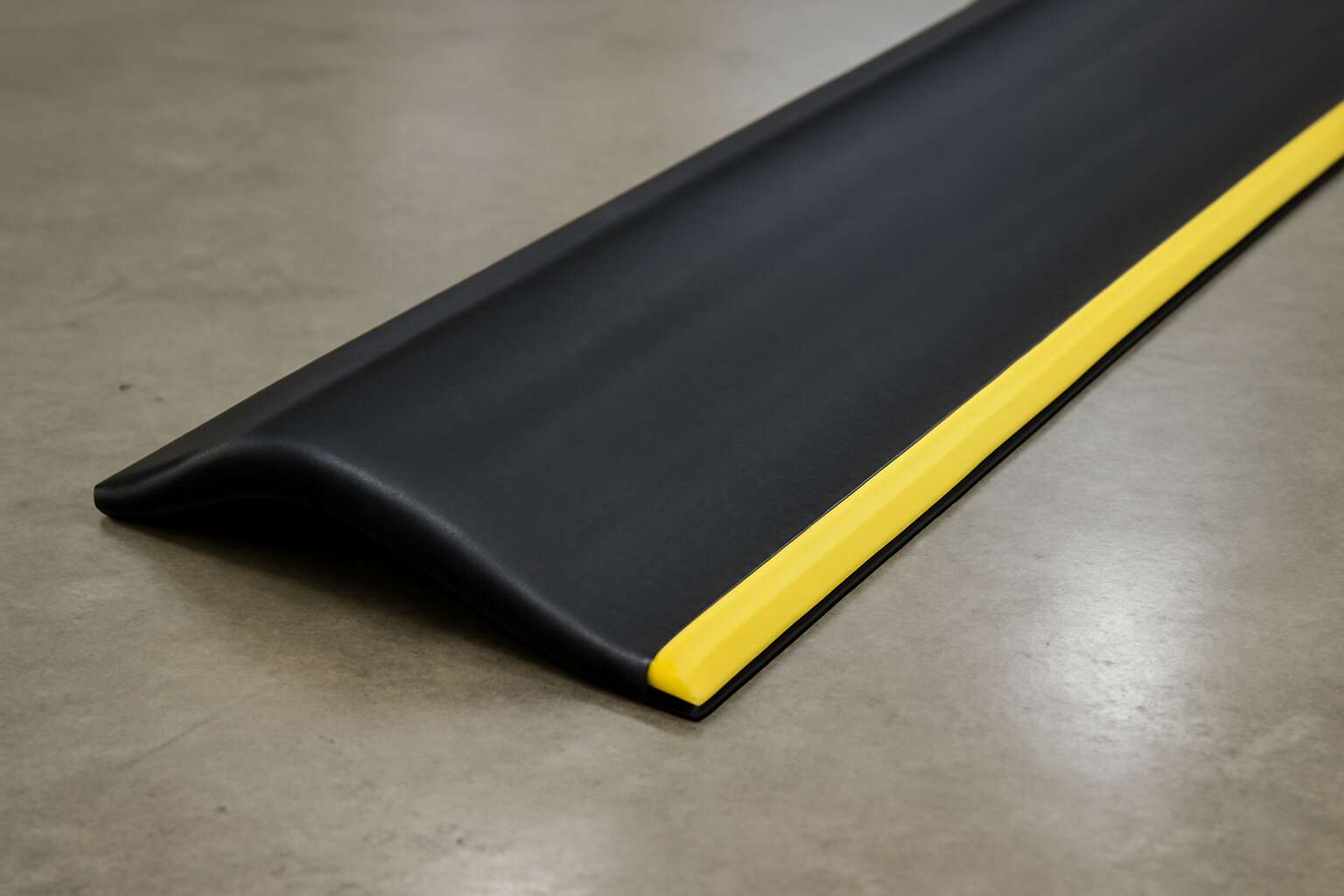
Understanding rubber floor dam
Definition and core function of a rubber floor dam
On busy workshop floors, a quiet guardian rises: the rubber floor dam. This flexible barrier seals gaps and channels liquids away from drains and machinery. When laid along a lip or seam, it forms a temporary, watertight boundary—perfect for spills and cleanups in South Africa’s bustling workplaces.
Its core function is simple yet essential: contain, protect, and speed cleanup. The rubber floor dam keeps liquids within a defined zone, reduces cross-contamination, and makes drying more efficient.
- Contain spills to a defined zone
- Protect drains and equipment from splashes
- Enable quick deployment and removal during work
Durable, portable, and pliant, it stands up to foot traffic and heat without losing grip. In South Africa’s varied climates, this barrier remains a pragmatic ally for tidy, compliant spaces.
Materials and construction basics
In South Africa’s busy workshops, a single spill can derail a shift. “Small spills, big losses,” a Cape Town supervisor says, and the rubber floor dam rises as a quiet guardian—preserving order and safety!
Materials and blends underpin its resilience. Components blend natural rubber with SBR or NBR, tuned for grip, heat, and chemical exposure, often with fabric reinforcement and protective coatings for longer life.
- Compound choices: natural rubber with SBR or NBR for balance
- Thickness and flexibility suited to traffic and lip design
- Reinforcements: fabrics or meshes to resist tearing
Construction basics emphasize a clean seal and easy handling. Edges are trimmed, seams are bonded or heat-sealed, and low-profile lips help hug the floor for a watertight boundary during busy shifts.
Key performance features and benefits
On factory floors across Cape Town and Johannesburg, a spill is not merely a stain—it can halt a line. The rubber floor dam rises as a quiet sentinel, turning chaos into order with a single, steadfast seal. Its performance rests on thoughtful engineering: a resilient rubber blend for grip and heat tolerance, reinforced fabrics for tear resistance, and protective coatings that shrug off oil and solvents!
From the floor up, this boundary delivers containment you can trust—and minimal disruption to the day. I’ve seen the rubber floor dam in action, and shifts settle quickly.
- Rapid containment and reduced downtime
- Secure edge adhesion in busy zones
- Chemical and heat resistance for longevity
This boundary is a portable, cost-efficient ally—quick to deploy, easy to remove, and forgiving of imperfect floor surfaces, a comforting constant in South Africa’s bustling workshops.
Applications across industries and environments
In the beating heart of South Africa’s industries, a single spill can ripple into hours of downtime. The rubber floor dam emerges as a quiet guardian, guiding chaos back into order with a sure seal.
Used across factories, mines, automotive bays, and food and beverage plants, the rubber floor dam adapts to varying surfaces and spills—from coolant streaks to chemical splashes. I’ve seen it turn chaos into order on busy lines. It travels with workflows, stored on a trolley, and deployed in minutes, turning messy incidents into contained, manageable events.
- Warehouses and loading docks
- Mining and mineral processing facilities
- Manufacturing and assembly lines
- Food and beverage processing
Across South Africa, this boundary stands as a dependable ally—portable, economical, and forgiving of imperfect floors, it keeps operations flowing even when surprises occur!
Why a rubber floor dam matters for containment
Spills steal productivity in South Africa’s factories, with up to 32% of downtime traced to containment failures. In those high-stakes moments, the rubber floor dam emerges as a quiet guardian, snapping into place to seal the chaos and keep critical lines protected.
Why it matters: It forms a resilient barrier that hugs irregular floor contours, preventing liquids from seeping into grout, drains, or adjacent work areas. I’ve seen it turn a budding spill into a contained ripple in minutes. It slows the spread of contaminants, protecting both people and equipment.
- Rapid deployment across variable surfaces
- Broad chemical compatibility reduces cross-contamination
- Containment of volumes reduces slip hazards and cleanup
In South Africa, the rubber floor dam’s portability and forgiving floor interaction make it a practical sentinel in the plant’s heartbeat.
Materials, types, and design options
Common rubber materials used
Containment is the quiet art of turning a spill into a controlled moment. In SA workshops, a rubber floor dam becomes calm in chaos.
Materials form the heartbeat of this barrier.
- EPDM rubber — excellent UV and chemical resistance for sunlit and damp spaces.
- Neoprene — broad chemical tolerance with flexible, enduring performance.
- Nitrile (Buna-N) — strong oil resistance for service bays and garages.
Two main forms exist: flexible sheets that trace odd floor contours and modular segments that snap together for custom spans.
- Thickness: 2–6 mm.
- Edge-seal types: gasket, lip, or clamp.
- Installation: adhesive, mechanical clamps, or freestanding.
- Texture and color coding for grip and safety.
Used well, this barrier is more than a tool—it’s a guardian of containment and a symbol of operational calm.
Interlocking versus seam designs
Two routes govern the practical containment of spills: interlocking modular segments and seamless seam runs. The rubber floor dam embraces the floor with a quiet stubbornness, tracing odd contours while preserving a calm, controlled perimeter. In performance terms, interlocking systems offer punchy flexibility; seam designs deliver a continuous, uninterrupted barrier.
- Interlocking: modular by design—rapid deployment, simple replacement of damaged sections, and easy reconfiguration for changing spill zones.
- Seam designs: a seamless line that minimizes joints, ideal for extending runs; requires careful sealing and skilled installation but delivers fewer leakage points.
Whichever path you choose, texture and grip, plus edge-seal variants, tailor the barrier to the workshop’s choreography and the needs of a robust rubber floor dam.
Surface finishing for slip resistance
Slip resistance is not a luxury; it’s a practical design decision for any workspace. A well-finished rubber floor dam quietly asserts control, helping spills stay contained and feet stay sure-footed as the day unfolds.
Surface finishing options for slip resistance:
- micro-embossed textures
- diamond-pattern relief
- pebble-grain surfaces
- granule-infused coatings
- dimpled or ribbed finishes
- color-coded hazard cues
Material choices range from reinforced synthetic blends to natural rubbers, tuned for chemical resistance and wear. Designers can select thickness and edge profiles to sustain containment while keeping the surface steady underfoot.
These refinements ensure the rubber floor dam weaves gracefully into South Africa’s workshop tempo, where lighting, traffic, and solvent exposure vary from one facility to the next.
Choosing rubber types for your needs
Slips cost South African factories millions every year, and safety begins where the floor meets your boots. The rubber floor dam is a quiet, steadfast partner—an engineered barrier that keeps spills contained and feet sure as a shift unfolds. Choosing the right material is the first decision you’ll make!
Material choices include:
- Natural rubber blends for resilience
- Nitrile (NBR) for chemical resistance
- EPDM for heat and weather exposure
- Reinforced synthetic blends for heavy traffic
Design options let you tailor the rubber floor dam to your space: choose thickness for containment without hindering foot flow, pick edge profiles to reduce spill paths, and add reinforcement where carts roam. This customization keeps that rubber floor dam steady in busy South African workshops.
Installation, setup, and maintenance
Site preparation and placement tips
On South Africa’s bustling workshop floors, a rubber floor dam turns potential chaos into quiet containment. A seasoned operator once said, “if the spill finds you, the line pays the price”—and the dam answers with calm, sealing edges as heat and traffic shift. Installation and setup should feel like a careful ritual, honoring clean substrates and purposeful alignment, giving the rubber floor dam a chance to perform at its best.
- Clean, dry, and flat surface; remove debris and loose particles
- Plan seams and closures so the dam can breathe with temperature changes
- Check compatibility with surrounding equipment and containment geometry
Maintenance is a quiet vigil: inspect seals, wipe away buildup, replace worn edges, store properly when not in use. When correctly sited, this rubber floor dam serves as a steady custodian of containment, ready to safeguard activities across SA industries.
Sealing and alignment techniques
On SA workshop floors, installation and setup of a rubber floor dam should feel like a deliberate rite, guiding the edges to partner with the environment. Tension and compression are balanced with careful alignment, letting the system respond gracefully as heat shifts and equipment moves. The result is a quiet, confident barrier that contains spills without hindering workflow. The rubber floor dam stands ready, a steadfast custodian at the edge of activity.
Sealing and alignment techniques can be a subtle art. The following elements travel with the installation, keeping the barrier able to breathe with temperature changes:
- Seal integrity around corners and gaps
- Uniform edge contact with the substrate
- Closures accommodate minor movement during temperature shifts
Maintenance is a quiet vigil: seals look for micro-buildup, and edges show wear before it becomes a problem. When not in use, proper storage away from direct sun helps elasticity stay sharp in SA’s vibrant climates.
Cleaning and routine maintenance
In SA workshops, spills don’t just stain floors—they stall production. A recent survey suggests spill-related downtime is cut by up to 40% at the edge when a rubber floor dam is deployed. Installation feels like laying a quiet pact: edges align with the room, a smart seam here, a forgiving bend there. The rubber floor dam becomes a steady boundary that listens to heat and heartbeat, letting the workflow breathe.
Sealing around corners and maintaining uniform contact keeps the barrier honest. In SA’s warm climate, routine attention helps elasticity stay sharp; seals reveal micro-buildup and edges show wear before it matters. When stored away from direct sun, it remains responsive, ready to guard the edge whenever activity returns.
Repair, replacement, and prolonging life
I’ve seen spills test a floor, and the installation of a rubber floor dam isn’t a spectacle; it’s a quiet covenant with the room, a boundary that holds the day’s chaos at bay. In South Africa’s sun-drenched workshops, the right fit respects heat and movement, letting the space breathe while a spill gathers its force at the edge!
Maintenance, I’ve learned, treats containment as a living boundary. When wear surfaces appear or the sealhood softens, a thoughtful repair or considered replacement preserves flow and safety. Prolonging life comes from mindful use, gentle handling, and storage out of direct sun when the workshop rests.
Over time, it becomes more than material; it becomes part of the workshop’s character—I feel its quiet moral edge, a boundary that speaks to resilience, endurance, and the optimistic faith in reliable containment.
Storage and handling best practices
Installing a rubber floor dam is a quiet ceremony of measure and fit. In South Africa’s sun-burnished workshops, the dam must cradle the floor with a forgiving seal that moves with heat rather than against it. The setup respects tolerance, alignments, and the room’s rhythm, turning a spill’s menace into a contained moment.
Maintenance treats containment as a living boundary. The dam rewards periodic inspection: keep the groove clean, watch for seam gaps, and respect storage conditions. When it fades or wears, a measured approach—repair or discreet replacement—preserves flow and safety. Stored away from direct sun, it holds its shape, ready to endure another shift in the day.
Storage and handling best practices weave resilience into daily use:
- Store the rubber floor dam out of direct sun in a climate-controlled area.
- Keep flat or loosely coiled to prevent kinks; cover when idle.
- Inspect regularly for cracks or seal wear.
Applications and industry use cases
Laboratories and clean rooms
Spills in a high-stakes laboratory aren’t just messy—they can derail experiments and jeopardize samples. The rubber floor dam serves as a quiet sentinel, containing splashes and keeping critical work zones clean. In South Africa’s research and pharmaceutical arenas, such barriers seal wet benches, shield sensitive equipment, and minimize downtime during routine testing and QC checks.
Within laboratories and clean rooms, these barriers shine in three key roles:
- Spill containment on benches and near drains
- Splash protection during chemical prep and sample handling
- Perimeter sealing around clean zones to reduce contamination risk
Manufacturing floors and workshops
In busy SA factories, a rubber floor dam keeps lines moving by corralling spills. It stands up to oils, coolants, and wash-down water, protecting sensitive equipment and preventing cross-contamination.
In manufacturing floors and workshops, it serves three core roles:
- Spill containment around machinery and near drains
- Splash protection during cleaning and maintenance tasks
- Perimeter sealing along work zones to keep dust and liquids in check
The barrier reduces slip hazards, supports quick cleanup, and minimizes downtime when routine maintenance hits. Durable, easy to clean, it suits busy factories from automotive plants to electronics assembly in South Africa.
Food processing and beverage facilities
In South Africa’s fast-moving food processing and beverage facilities, a dry floor isn’t just tidiness—it’s production throughput. The rubber floor dam around critical zones helps keep spills from cascading toward drains, preserving sanitation and keeping lines moving during busy shifts.
- Spill containment around processing equipment and drains
- Splash protection during cleaning and sanitation cycles
- Perimeter sealing along work zones to curb dust and liquids
- Edge control at loading and packaging areas to prevent runoff
Durable, easy to wipe down and compatible with common sanitizers, the rubber floor dam supports quick cleanup, reduces downtime, and helps meet stringent hygiene expectations across SA’s food and beverage sector.
Temporary containment at events
Spills slow a show to a crawl—and in South Africa’s bustling events calendar, every minute counts. A rubber floor dam creates a quick, reliable temporary barrier that keeps drinks, sauces, and rainwater from marching toward drains and crowd lanes, protecting performers and patrons alike, and giving vendors peace of mind.
Typical applications include:
- Outdoor music festivals
- Sports events and stadiums
- Trade fairs, conferences, and gala dinners
Easy to deploy and remove, it supports rapid cleanup and uninterrupted service across SA venues, from community halls to coastal arenas.
Purchasing considerations and ROI
Pricing, warranties, and supplier reliability
In South Africa’s industrial heartlands, ‘Time is money,’ and downtime gnaws at margins like rust on a blade. A well-chosen rubber floor dam turns creeping leaks into quiet, reliable containment, even when the lights flicker.
ROI is about lifecycle costs, not the sticker price. A durable containment barrier reduces spill cleanup and maintenance, delivering tangible savings over years. Transparency in pricing matters.
Warranties and supplier reliability deserve equal weight. Look for 1–5 year coverage on seams and surface, clear terms for damage and replacement parts, and a proven support network across South Africa. References speak louder than brochures.
Align with a partner who understands your environment—the barrier is more than a shield; it’s a sentinel against chaos, a calm in the factory’s storm.
Installation service versus DIY options
In South Africa’s busy industrial belts, downtime gnaws at margins faster than rust on a blade! A rubber floor dam may look modest, but it buys quiet, reliable containment across shifts and dimmed power cycles. ROI comes from lifecycle savings, not the upfront price.
Smart purchasing means more than the upfront quote. Ensure compatibility with your floor, seam design, and spill profile; demand clear warranty terms, a dependable SA support network, and pricing that stays transparent as needs evolve.
- Installation service: professional fit, faster ramp-up, long-term reliability
- DIY path: lower upfront costs but higher risk and potential surprises
- ROI metrics: spill reduction, downtime avoidance, maintenance savings
Whether you hire a crew or install it yourself, plan training, tools, and safety. A rubber floor dam is more than a shield; it’s a steady heartbeat in the factory.
Standards, certifications, and compliance
Smart purchasing goes beyond the upfront quote. A rubber floor dam is a quiet sentinel, guarding margins through lifecycle containment rather than chasing immediate price. Check compatibility with floor texture, seam design, and spill profile; demand clear warranty terms and a dependable SA support network. When the numbers align, ROI blooms from reduced downtime, fewer spill cleanups, and longer intervals between replacements.
Standards, certifications, and compliance are the unseen anchors of ROI. Favor SABS marks and ISO 9001 quality management, with ISO 45001 for safety and ISO 14001 for the environment. In South Africa, compliance with the OHS Act and local spill containment regulations seals the deal. Demand transparent testing data—seam integrity, chemical resistance, and lifecycle performance—so your rubber floor dam reads as true as a midnight oath.
Total cost of ownership and ROI
Purchasing decisions for containment gear should weigh more than sticker price. When you evaluate a rubber floor dam, look beyond upfront quotes to lifecycle economics. The right choice acts as a quiet sentinel, guarding margins through predictable maintenance, durable seals, and a dependable SA support network. In practice, the informed buyer notices reduced downtime, fewer spill cleanups, and longer intervals between replacements—a portfolio of savings that compounds across shifts, audits, and factory floors, turning procurement into strategic risk management rather than a single line item.
- Initial price versus total cost of ownership
- Installation, commissioning, and compatibility with floor texture
- Expected lifecycle costs: maintenance, seal replacements, and spare parts
- Warranty terms and regional service support in South Africa
ROI hinges on this balance: upgrade now to protect future output; the rubber floor dam becomes a trusted ally in containment, delivering measurable returns through steadier production and lower spill-related expenses.
Vendor evaluation and after-sales support
Purchasing decisions for containment gear demand more than a price tag. The ROI of a rubber floor dam reveals itself in quiet, predictable performance: fewer spills, steadier production, and a partner who answers when a seal whispers. I measure value by lifecycle rhythm, not upfront quotes—the dam becomes a sentinel guarding margins with durable materials and a reliable support network.
Vendor evaluation and after-sales support form the backbone of risk management. In a market where downtime bleeds profit, I weigh service readiness and parts supply with the same care given to material choice.
- Reliable response times and trained technicians
- Spare parts availability and transparent maintenance pricing
- Regional service coverage with SA-focused experience
Ultimately, the cost-versus-continuity balance decides whether a purchase becomes a quiet ally or a creeping liability. A supplier who blends local know-how with dependable support turns procurement into strategic risk management rather than a single line item.



0 Comments