
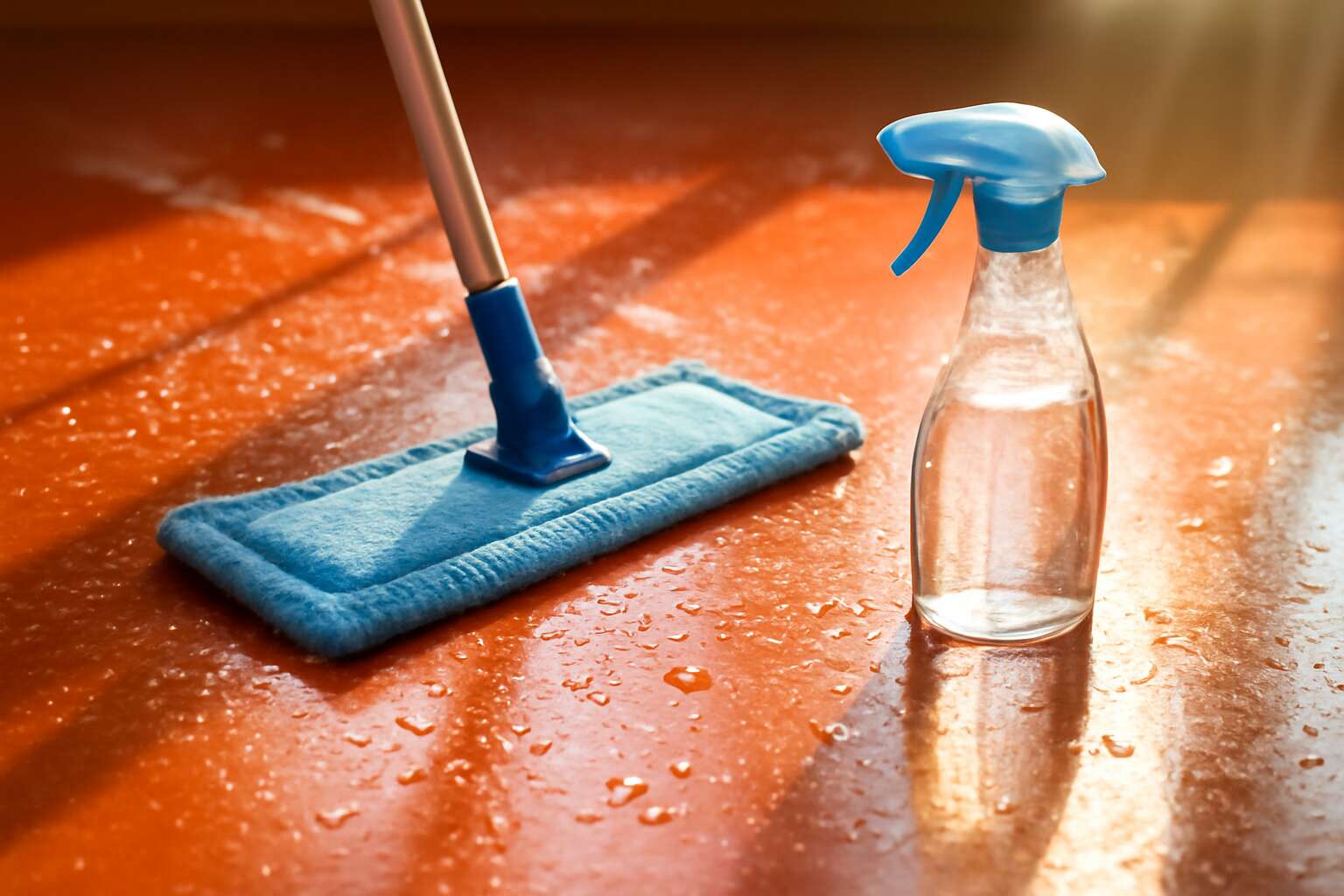
Rubber Floor Cleaning Essentials
Understanding Rubber Flooring Types
When to Clean and Why Maintenance Matters
Rubber floors stand up to the tempo of busy spaces with dignity. The truth is harsher than a spill: neglect dulls their finish and invites wear. When it comes to how to clean rubber floor, the right rhythm matters more than brute force—gentle stewardship beats scrubbing every time.
In South Africa’s bustling facilities, cleaning cadence depends on use. In high-traffic areas, light maintenance daily and a more thorough refresh weekly keeps the surface honest; in quieter zones, monthly attention may suffice. Maintenance matters because consistent care protects grip, prolongs life, and preserves hygiene without harsh solvents.
To keep the flow smooth, a quick checklist helps—without turning care into an epic. Regular detritus removal protects traction. Spot staining should be addressed with mild, non-abrasive cleaners. Periodic evaluation for wear informs future decisions about replacement.
- Daily sweeping to remove grit
- Gentle spot-cleaning for spills
- Occasional wear assessment
Safety Gear and Prep Steps
Rubber floors endure thousands of footsteps daily, and in South Africa’s busiest spaces they carry more than weight—they carry a reputation for resilience. For those curious about how to clean rubber floor, safety and preparation come first. A well-equipped team makes the task feel less like a grind and more like a mindful ritual that protects grip, extends life, and preserves hygiene.
Safety gear and prep steps form the quiet backbone of effective maintenance.
- Non-slip gloves
- Eye protection
- Breathable clothing and closed-toe shoes
- Mask or respirator in dusty areas
- Soft microfiber cloths and a gentle brush
Prep is about clearing debris, ensuring ventilation, and choosing a mild cleaner—principles that keep the surface ready without disruption.
Assessing Floor Condition and Caution Points
Here’s how to clean rubber floor in practice: a clean start begins with a candid assessment of wear, sheen, and grip. In South Africa’s bustling venues, neglecting this step turns mist into a hazard. An honest assessment keeps grip and life intact.
Assessing floor condition means noting gloss loss, micro-scratches, and delamination near edges. Check for oil spots, staining, and uneven moisture. A quick test with a mild cloth shows whether the surface accepts cleaner without dulling or foaming.
- Texture and wear patterns observed
- Staining and embedded grime present
- Moisture pooling and drainage patterns
- Edge damage or seam lifting noticed
Caution points: avoidance of abrasive pads and strong solvents that could chew rubber; dilution of cleaners; ventilation; and drying after cleaning to maintain grip. A well-scanned surface rewards you with lasting appearance and safer footing, a subtle triumph in already hectic spaces.
Tools and Supplies for Rubber Floor Care
Must-Have Cleaning Tools for Large and Small Areas
Every rubber floor hides potential beneath its quiet surface, and the right tools unleash that hidden gleam across South Africa’s workplaces. A single trusty implement can cut cleaning time dramatically, guiding you through spillages and daily grime with confident, steady strokes. Think balance, grip, and quiet efficiency.
- Microfiber mop or wide-floor wand
- Squeegee with a soft edge
- Non-abrasive scrubbing pad
- Sturdy bucket and wringer
- pH-neutral cleaner or mild detergent
For large areas, roll-on tools speed coverage; for tight corners, handheld brushes reach every seam. When considering how to clean rubber floor, choose products and tools that respect the floor’s composition and leave a safe, slip-free finish.
Cleaning Solutions: Neutral pH and Rubber-Safe Cleaners
Rubber floors don’t roar for attention, but they deserve a first-rate shine in South Africa’s offices and workshops. With the right tools, daily grime becomes a gliding nuisance you vanquish with confident, quiet strokes, preserving slip resistance and long-term performance during the busiest shifts.
When you research how to clean rubber floor, the core idea is simple: neutral pH cleaners and rubber-safe formulas protect the floor’s texture and color. This thoughtful approach slows wear and keeps the surface safe for feet and forklift wheels alike.
- pH-neutral cleaner or mild detergent
- Non-abrasive scrubbing pad
- Microfiber mop or wide-floor wand
- Squeegee with a soft edge
- Sturdy bucket and wringer
Personal Protective Equipment and Ventilation
In busy South Africa workplaces, a clean rubber floor is a quiet uptime enabler. Shine matters, but slip resistance and safety matter more. A safety officer quipped, “Ventilation beats fumes—every time,” a mindset that guides the tools trusted for rubber floor care.
Personal protective equipment should cover hands, eyes, lungs, and feet:
- Nitrile or rubber gloves
- Safety goggles or a face shield
- Non-slip, closed-toe footwear
- Respiratory protection when fumes are present
Good ventilation helps manage vapours and keeps the workspace comfortable. Use open spaces or fans when mixing cleaners, and rely on low-odor, neutral formulas. If you’re wondering how to clean rubber floor in a way that preserves grip and texture, pair PPE with ventilation and purpose-built tools.
Stain Removers and Scrubbing Aids
In South Africa’s busy workplaces, a clean rubber floor speaks of safety, efficiency, and pride. When considering how to clean rubber floor, your first ally is the right mix of stain removers and scrubbing aids—tools that respect grip and texture while lifting grime from every seam. The right gear turns maintenance into a steady, almost ritual process, transforming a potential slip hazard into a quiet uptime enabler that keeps corridors calm and productive.
Tools and supplies that empower rubber floor care include:
- Neutral pH stain removers designed for rubber floors
- Nylon-bristled brushes and microfiber scrub pads
- Microfiber mops with extendable handles
- Squeegees, buckets, and mop wringers
- Soft, non-slip cloths for a final wipe-down
With these elements, care becomes a confident craftsmanship—never hurried, always precise.
Cleaning Methods for Rubber Floors
Daily Cleaning: Sweeping, Dry Mopping, and Dust Care
A floor that gleams is a quiet invitation, a testament to daily resolve. In South African spaces, how to clean rubber floor becomes less chore and more ritual. Daily care begins with a gentle sweep to collect loose debris, followed by a dry mop to lift fine dust that dulls color. The rhythm is careful, almost musical, and it preserves the floor’s resilience for years to come.
- Sweeping
- Dry Mopping
- Dust Care
A simple cadence keeps spaces luminous and inviting, a whispered promise that every day is a chance to honour the dream of enduring floors.
Spot Cleaning for Spills and Stains
“A floor remembers every spill,” a craftsman once murmured, and rubber floors listen with their quiet resilience. In the heart of South African spaces, where sunlight lays gold upon rubber floors, a spill becomes a small tale of vigilance. The ritual of spot cleaning—not about haste but care—prolongs color and keeps texture lively. The stubborn truth about how to clean rubber floor is not force but patience—the fabric of care that lets color stay bright and grain stay supple. When a stain threatens the surface, one leans into a quiet rhythm: blot, don’t rub, and let a gentle, rubber-safe cleaner do the talking.
As in all rites of maintenance, the drama rests in restraint. A soft cloth, a cautious touch, and a moment of calm turn a blemish into a memory resolved. The floor breathes a little easier, resilient as a shield against South Africa’s demanding environments.
Deep Cleaning: Gentle Wet Cleaning Techniques
In the North Coast sun, I watch a rubber floor wear its stories like a veteran sailor—glossy, steadfast, patient. A craftsman once murmured, “Gentleness is the firmest grip,” and that line lands on my tongue when the room falls quiet. This is part of how South African spaces approach how to clean rubber floor with respect to its resilience and color.
Deep cleaning isn’t a rush; it’s a careful conversation between damp cloth, soft brush, and the rubber’s grain. I tell clients it’s about lifting grime without straining the surface, preserving color depth and the spring of texture that keeps rooms feeling buoyant under the big skies.
In South Africa’s demand for durable, easy-care floors, moisture is a respectful guest—enough to loosen grime, not to soak the memory. Let the floor breathe as it dries; this restraint is part of a thoughtful maintenance ethic that honours craft and environment alike.
Resilience, after all, is built in small, attentive moments where care leads the way and the floor holds its own against heat, dust, and traffic.
Gentle Rinsing and Drying to Prevent Residue
In the sunlit corridors of South Africa, knowledge travels on rubber underfoot. When soap is scarce, the question of how to clean rubber floor becomes a whisper—gentle rinse and mindful drying shape the outcome.
- Gentle moisture balance—enough to lift grime without pooling.
- Soft textiles and light airflow help lift moisture without streaks.
- Patience for complete drying keeps residues at bay.
Drying matters more than it seems! The goal is a residue-free finish that respects texture and color, keeping rubber floors ready for the next performance under the South African glare.
Maintenance and Longevity
Protective Mats and Traffic Management
In busy facilities, rubber floors take a beating—and longevity hinges on design, not luck. A South Africa facility survey showed entrances drive much wear. When considering how to clean rubber floor, protective mats become a strategic ally, trapping grit and damp before it migrates.
Maintenance and longevity hinge on barrier zones that guide traffic and minimize abrasion. Protective mats shield the rubber from dirt and moisture, helping it last longer between cleans—like wardens at a doorway, vigilant and discreet. Durable mats simplify sanitation and protect the budget.
Key mat considerations:
- Entrance zones with high-traction mats
- Moisture- and chemical-resistant materials
- Regular wear inspections and fastener checks
Traffic management comes next: guide foot and wheeled traffic through mat-rich zones to ease long-term wear and keep cleaning cycles efficient.
Sealing, Coatings, and Re-Coating Schedules
Three in five wear signs on rubber floors begin at the entrance, where grit and moisture begin their quiet assault. That is the drumbeat behind how to clean rubber floor with care—longevity hinges on sealing, coatings, and a patient re-coating cadence rather than luck.
Sealing creates a protective shield, resisting damp and staining, while coatings offer a sacrificial layer that wards off wear from routine traffic. A thoughtfully timed re-coating schedule keeps the surface glossy and resilient, reducing long-term maintenance costs.
To tailor this cadence, consider these factors:
- Foot and wheeled traffic patterns
- Chemical and solvent exposure
- Abrasion from grit and scuffing
- Environmental conditions and humidity
South Africa’s environments demand a rhythm that respects heat, dust, and sunlight—an approach where upkeep remains economical yet effective. Understanding how to clean rubber floor, and pairing it with sealing and periodic re-coats, preserves the floor’s story for years to come.
Routine Maintenance Calendar and Checklists
Across South Africa’s heat and grit, facilities report that 40% of rubber floor wear begins at entryways within the first year. A sharp maintenance rhythm turns that stat into a safeguard. When upkeep becomes routine, the question of how to clean rubber floor becomes less about surprises and more about steady stewardship.
A well-structured maintenance calendar and checklists translate long-term goals into daily practice, tailored for local conditions. This framework clarifies how to clean rubber floor.
- Weekly: visual sweep, mat alignment, and debris removal
- Monthly: surface condition scan, edge checks, and fastener inspection
- Quarterly: plan for coatings refresh and environmental assessment
In South Africa, the rhythm must accommodate heat, dust, and sunlight, preserving gloss and resilience while staying economical and sensible across seasons.
Common Mistakes and How to Avoid Them
In South Africa’s heat and grit, 40% of rubber floor wear begins at entryways in the first year. That statistic stares back at facility managers. Mistakes show up when maintenance stays reactive instead of planned; then the question of how to clean rubber floor becomes a recurring concern!
Common missteps include harsh cleaners that dull gloss, neglecting edge and fastener checks, and letting grit sit on the surface. Excess moisture invites residue and uneven wear; poor ventilation compounds dusty rooms. All of it chips at longevity.
To avoid these traps, choose rubber-safe, neutral cleaners and adopt a light, consistent touch that respects the floor’s texture. Regularly assess edges and fasteners and keep contact areas dry before heavy use returns. Consistency is the secret to lasting gloss and resilience!

0 Comments