
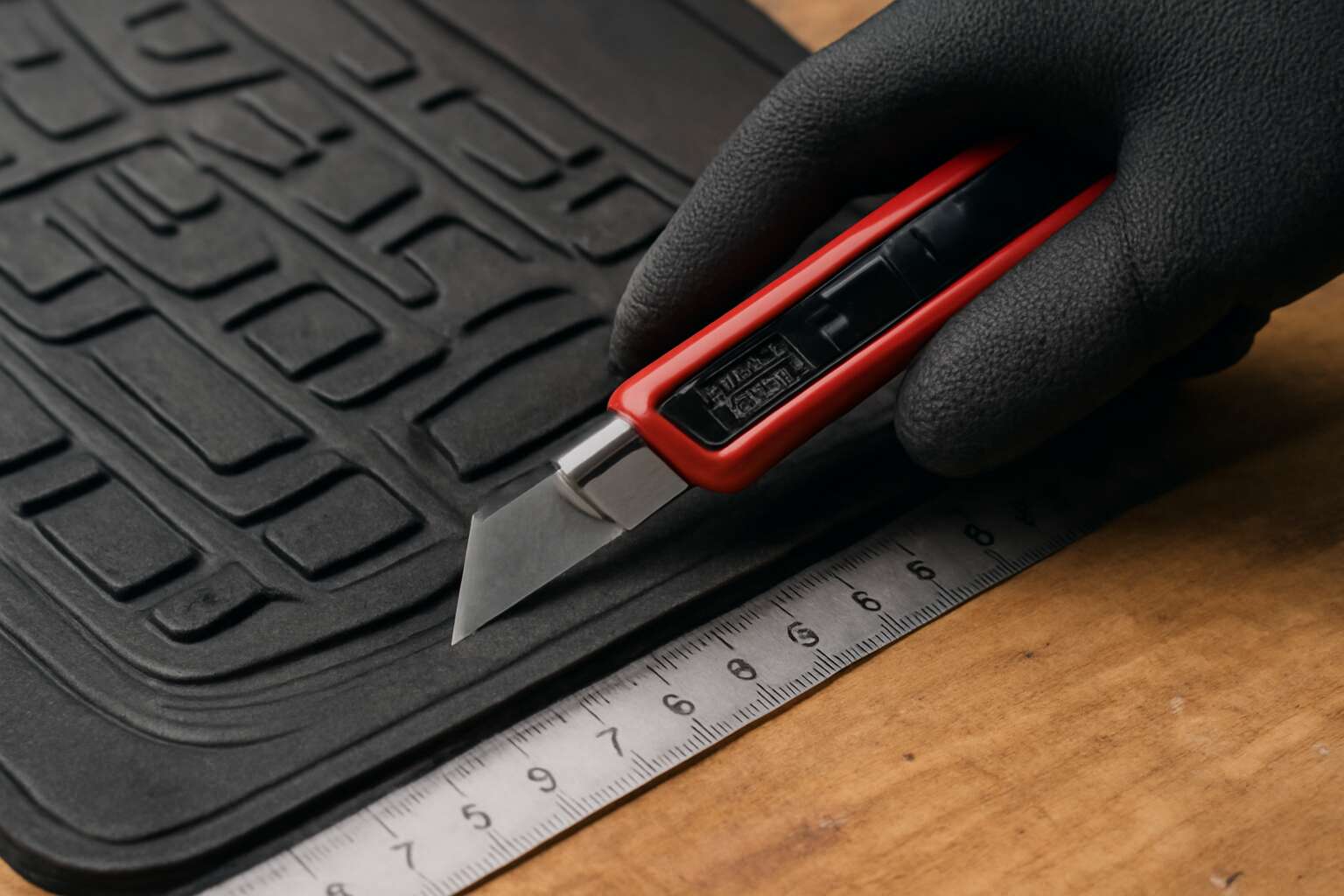
Comprehensive guide to cutting rubber floor mats
Preparation and Safety for Cutting Rubber Floor Mats
Many a workshop tale begins with a sharp blade and a hurried timetable; tidy prep makes miscuts rarer and morale higher. For readers curious about how to cut rubber floor mats, the first rule is to respect the material’s quirks—rubber yields to calm and planning, not bravado.
Preparation and Safety for Cutting Rubber Floor Mats isn’t just a line in the manual; it’s the quiet art of avoiding drama. A calm, well-lit workspace matters, and checking mat thickness and surface grip prevents unwelcome slips. The essentials:
- PPE: gloves and eye protection
- Stable, non-slip work surface and clamps
- Ventilation and dust control
- Clear marking tools and a safe, slow approach
Within South Africa’s bustling workshops, even the most celebrated sceptics of precision must admit the craft has a certain grace. In the end, safety is polished manners in the workshop—making cuts with confidence, and leaving the mat ready for its next voyage.
Measuring and Marking for Precise Cuts
Cutting rubber floor mats with surgical precision is less about bravado and more about a calm plan. In South Africa’s bustling workshops, a clean line beats a jagged edge every time, and that’s the secret behind neat fits. If you’re wondering how to cut rubber floor mats, start with measuring and marking rather than improvising; the rubber will forgive a patient hand.
- Mark with a light touch using a pencil or chalk to avoid heavy indents.
- Use a straight edge to guide the line and keep symmetry.
- Double-check measurements against the layout to verify alignment before any cut.
Measured marks ripen into confident fits when checked against the intended layout. Keep your tools light, your lines true, and resist the urge to rush—the mat will respect you for it.
Cutting Techniques for Rubber Floor Mats
In South Africa’s bustling workshops, precision cuts determine the day’s rhythm. A well-executed line can save hours of rework and scrap; it pays to treat each cut as a small, deliberate act. Many ask how to cut rubber floor mats, and the answer isn’t a sprint but a calm inquiry into line, pressure, and patience.
Cutting techniques are a balance of restraint and respect for the material’s memory. The mat deserves support, a guiding edge, and measured pressure; these ideas form the backbone of neat, durable edges that stand up to daily wear.
- Line integrity and edge finish
- Material resilience and cutting dynamics
- Support and alignment during the cut
Those curious about how to cut rubber floor mats often discover that intention matters more than bravado. A thoughtful pace invites cleaner results and a quieter workspace, where edges align with the layout and the rubber yields without complaint.
Finishing and Fitting Rubber Mats
Finishing and fitting rubber mats is where form meets daily grind! In South Africa’s workshops, a clean edge signals pride and reduces snagging on bootlaces. The finish matters—beveled edges, seamless joints, and quiet edge trims protect the mat and the floor beneath.
Choosing the right fit blends permanence with practicality. Consider whether a bonded, skirting, or loose-lay approach will weather humidity, heat, and heavy traffic. A well-chosen edge profile keeps membranes from curling and makes cleaning effortless.
How to cut rubber floor mats is just part of the conversation; finishing and fitting—edge treatments, secure installation, and proper gaps—shape the outcome. For durability and safety, align seams, respect floor irregularities, and select trims that resist wear in high-traffic South African workshops.
Tips for Different Mat Styles
In South Africa’s bustling workshops, the edge of a rubber mat becomes a quiet hero—deflecting dirt, guarding paint, and saving laces from a late-night snag. “A clean edge is the handshake your floor offers,” a veteran fitter likes to say. That mindset fuels a guide where size, texture, and style meet durability.
When you explore how to cut rubber floor mats, form meets function. This quick survey shows how mat styles handle traffic and humidity—from ribbed textures to seamless panels.
- Ribbed mats channel dirt and resist wear
- Textured, low-profile mats balance grip and cleaning
- Solid seamless sheets for clean lines
From aesthetics to performance, this styles-driven map guides readers toward mats that endure and welcome workers to step with confidence.
Maintenance and Longevity After Cutting
In South Africa’s brisk workshops, a rubber floor mat that holds its edge is a quiet triumph—studies suggest properly maintained mats can extend their service life by up to 40% in busy environments.
Maintenance and longevity after cutting hinge on preserving edge integrity, resisting humidity, and keeping surfaces visually clean. The aim is a mat that welcomes workers with a quiet confidence rather than a squeaky reminder of wear.
Even the question of how to cut rubber floor mats sits within this longer arc of care. To keep choices practical, consider these broad factors:
- Edge resilience and corner stability
- Material compatibility with cleaners and humidity
- Seasonal and traffic-related wear patterns
In business terms, longevity is a paradox—the more attention you give to the post-cut life, the longer the mat serves without apology. The floor’s etiquette improves, and the workforce moves with greater assurance.


0 Comments