
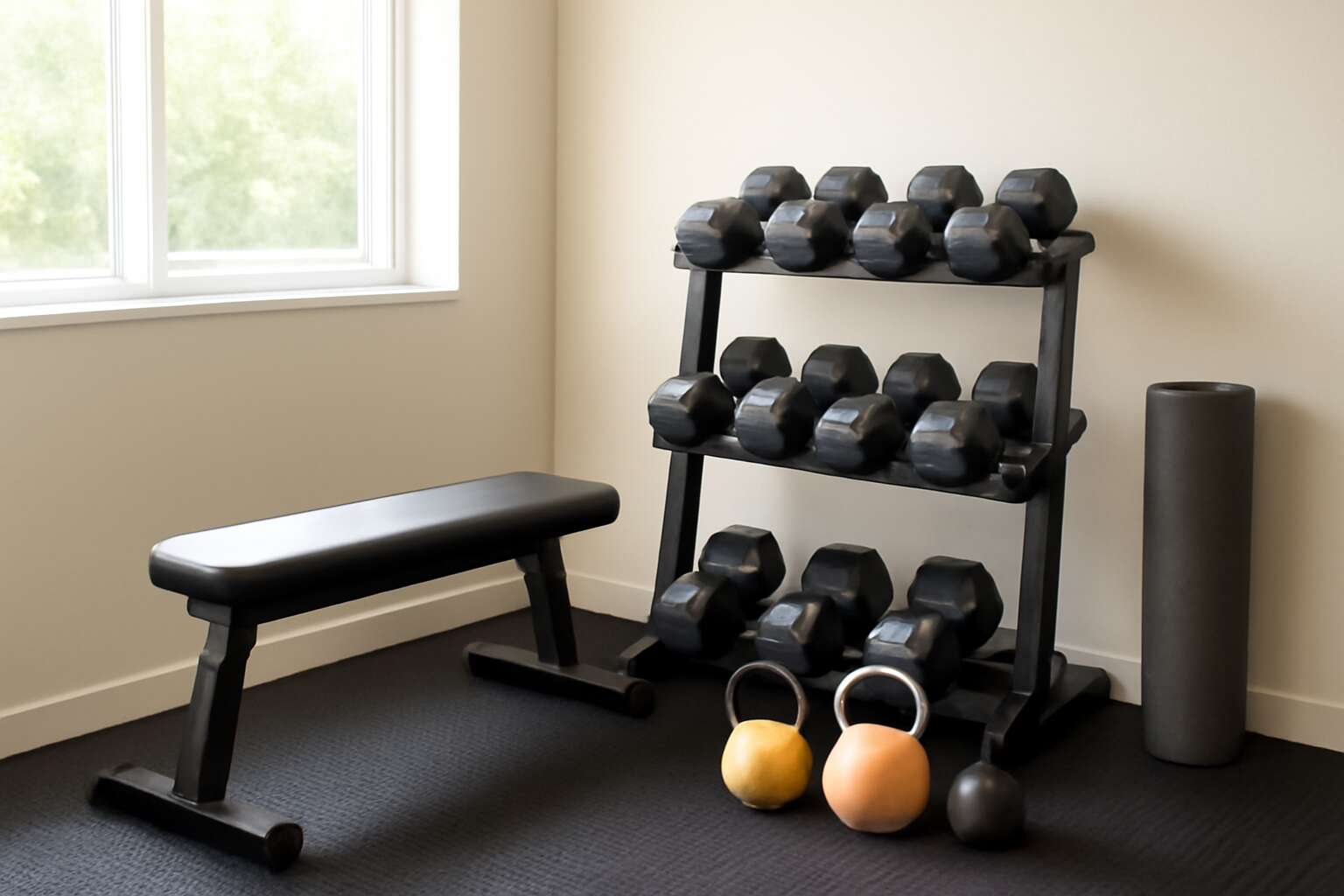
Benefits of Rubber Flooring for Home Gyms
Impact protection and joint comfort
From the first clang of a barbell on a hard floor, you hear more than metal—it’s fatigue echoing through joints. In South Africa’s shed gyms, that echo can steal momentum before a workout begins. A rubber floor home gym changes that soundtrack, turning impact into a kinder, steadier step.
Impact protection is more than comfort; it’s longevity for joints and equipment. The flooring’s density cushions landings, reduces rebound, and cuts vibration—perfect for drills, deadlifts, or a quick jump rope after long days on the farm. With softer landings, knees and hips travel less strain, inviting longer, clearer sessions. Here’s what it delivers:
- Gentle landings that spare knees and hips
- Vibration dampening that shields walls and neighbors
- Dust-free maintenance and easy cleaning for rural spaces
Morning light slides across a floor that forgives a misstep and invites another rep. The space feels calmer, more deliberate when the surface cushions every bounce; workouts become steady rituals rather than clashes with the room.
Noise reduction and vibration control
A single barbell thud travels farther than you think, echoing through shed walls and into the day. In a rubber floor home gym, sound meets a forgiving surface that dampens impact, letting workouts flow without rattling neighbours or ceiling tiles.
Noise reduction isn’t just comfort; it’s practical for SA homes and rural sheds. The layered surface absorbs vibrations, so equipment settles and the room stays calm. Less reverberation means you can train later, with less risk of disturbing others, while keeping your floor protected and dust-free.
- Lower peak noise during lifts
- Vibration dampening that shields walls
- Dust-free maintenance and easy cleaning
Every session becomes a measured, almost ritual practice, the floor’s quiet resilience allowing focus to rise like morning light over the veld.
Durability and longevity
“Durability writes the first line of a home gym story,” says a South African designer, and the rubber floor home gym keeps that promise through seasons of kettlebell clang and barbell thumps. Built to shrug off dents, scuffs, and moisture, this surface ages gracefully under heavy weights and daily use.
Underfoot, longevity shines through a dense, elastic core that rebounds without cracking. It resists abrasion, maintains its cushion, and cleans in a snap—key in dusty SA sheds or rain-washed garages.
- Heavy-load resilience supports weight plates and racks
- Moisture and mould resistance for cooler, drier maintenance
- Long-term colour stability and tear resistance
In the long run, investing in rubber flooring translates into fewer replacements, smoother workouts, and a gym that remains inviting after years of use.
Water resistance and maintenance
In SA homes, almost 70% of gym owners report less maintenance after installing a rubber floor home gym. That initial promise becomes a daily relief: water simply beads on the surface and dries in moments, even in a damp shed or rain-washed garage.
The moisture-resistance is more than skin-deep; it keeps the subfloor drier and less prone to mould. Cleaning becomes a swift, almost ceremonial wipe-down, not a chore that lingers on the calendar.
- Water resistance that beads spills and dries fast
- Low maintenance with minimal mould risk in humid climates
- Consistent cleanliness that supports frequent workouts
Over time, the benefits stack—quiet in the room, resilient beneath kettlebells, and surprisingly forgiving to daily wear.
Choosing the Right Rubber Flooring for a Home Gym
Understanding thickness and durometer options
The floor beneath a home gym is the quiet gravity of the space—present, dependable, and rarely thanked. A rubber floor home gym keeps landings soft and confidence high, even when the tempo spikes—and yes, it forgives your questionable dance between kettlebells and cardio.
Thickness is the unsung dial between splashy cardio and chair-warm stability. Lighter routines ride 6–10 mm mats, while power training leans into 12–20 mm, and heavy drops flirt with 20–25 mm. Durometer—roughly 40–70 Shore A—tunes bounce to taste.
Key considerations for a change-of-pace floor decision:
- Thickness versus activity demands
- Durometer feel and bounce
- Subfloor compatibility and edge options
In South Africa’s sun, a well-chosen rubber floor home gym endures heat and humidity with grace, letting workouts speak for themselves and the floor do the heavy lifting—quietly, reliably, and refusing to judge your burpees.
Sheet flooring vs interlocking tiles
The floor is the quiet engine of every workout, and choosing the right rubber flooring matters more than it seems. For a rubber floor home gym, sheet flooring offers a seamless, easy-to-clean surface, while interlocking tiles bring modularity and quick repairs when the gym layout shifts.
- Sheet flooring: seamless, fewer edges, simple maintenance, ideal for cardio mats.
- Interlocking tiles: modular layout, targeted thickness, simple replacement if a tile wears.
In South Africa’s sun, these options hold their grip, resisting heat and humidity so workouts feel effortless rather than compromised.
Eco-friendly and recycled rubber choices
“In a sun-baked gym, floors tell the story of every rep,” a Cape Town trainer once said. Choosing a rubber floor home gym blends elegance with responsibility, a quiet revolution under the SA sun.
Eco-conscious options lean on recycled rubber and natural blends. Look for suppliers that disclose recycled content and responsible end-of-life plans. Consider these eco-friendly paths:
- Recycled tire rubber bound with non-toxic binders
- Natural rubber blends from sustainable sources
- Modular tiles designed for easy replacement and reuse
Choosing these materials minimizes environmental impact while maintaining performance in heat and humidity, turning a workout into a sustainable ritual.
Budget considerations and value
“The floor is the silent coach,” Cape Town trainers remind us, and that wisdom pays off when budgeting for a rubber floor home gym. Price is a starting point, but total value—reliability in SA heat, ease of replacement, and long-term performance—drives smart choices.
Consider these budget levers to maximize value without compromising feel or function:
- Upfront cost per square meter and installation time (lean toward simple, clean aesthetics that fit your space).
- Modular tile systems offer easy replacement and upgrade, reducing long-term spend on repairs.
- Warranties and maintenance accessibility matter: ensure replacement parts and accessories are readily available.
Installation and Maintenance Practices
Subfloor preparation and moisture mitigation
Recent trends show a 30% surge in home gym installations across South Africa, and seasoned builders note that the floor is the ghost that lends the room its resolve. For a rubber floor home gym, the subfloor is the silent stage on which every rep is performed — flat, dry, and prepared, or it will whisper back with creaks and excuses. What a quiet, steadfast stage!
- Subfloor flatness and structural anomalies recognized before installation
- Moisture mitigation strategies and barrier compatibility with indoor environments
- Material acclimation and environmental controls during installation
Maintenance aftercare whispers that rhythm matters: routine cleaning with gentle products, vigilance against damp patches, and ensuring the space remains within a calm humidity range—so the rubber floor home gym endures through years of squats and sprints.
Tile installation vs sheet installation basics
South Africa’s home gym boom is no flash-and-banter trend—it’s a 30% surge in installations, and the floor beneath it does the lifting. A rubber floor home gym isn’t a fashion statement; it’s the stage where every rep earns its stripes. For that steadfast stage, install on a flat, dry surface, or the floor will whisper back with creaks and excuses.
Tile installation vs sheet installation basics hinge on seams, finish, and how soon you want the space usable. The choice shapes aesthetics, upkeep, and how the floor handles daily workouts. Broad considerations for a clean, lasting result:
- Seam management and alignment with foot traffic
- Uniform surface feel across panels or tiles
- Edge transitions that keep the gym footprint cohesive
Maintenance aftercare keeps rhythm alive: gentle cleaning, wipe away damp patches, and maintain calm humidity so the surface endures years of squats and sprints.
Sealing and edge trim for durability
Sealing and edge trim are the quiet guardians of a rubber floor home gym, amplified by a 30% surge in SA home gym installs—the floor bears the brunt, so longevity matters. They keep moisture out, limit dust, and maintain a uniform feel under heavy foot traffic. In South Africa, a quality seal and smart edge trim fend off wear from sweat, equipment bumps, and shifting subfloors. The result is a safer, more stable surface for consistent workouts.
- Sealant compatibility with rubber and local cleaners
- Edge trim options for doorways and transitions
- Access to ongoing maintenance and inspections
Edge transitions and sealants should be chosen with the space in mind—acidic cleaners, UV exposure, and temperature swings all influence long-term performance. Regular inspection preserves integrity and appearance through years of training. A thoughtful approach to sealing and edge trim sustains confidence in the setup when reps stack up and the routines evolve.
Regular cleaning and stain management
The rubber floor home gym holds steady beneath every rep, but it’s the quiet upkeep that keeps it alive, as if it remembers every heartbeat. Regular cleaning and stain management aren’t chores—they’re rituals that shield grip, hygiene, and shine in a space built for serious training. In South Africa, sweat, dust, and heavy use test the surface daily.
For this floor surface, proper care pairs pH-balanced, non-abrasive cleaners with lukewarm water. Avoid petroleum solvents and ammonia that can erode texture. The effect is a colour that remains even and grip that feels reliable under the weight of equipment.
I’ve learned that a steady, gentle touch—monitoring moisture, stains and scuffs—preserves safety and aesthetics, turning routine maintenance into a quiet shield that pays dividends as workouts evolve.
Preventive care with equipment and mats
Installation is a quiet act of respect for your rubber floor home gym. In South Africa, studies show that a level subfloor and moisture-aware planning cut wear by a third—imagine the difference in a room that breathes with space! I’ve learned that a well-considered setup becomes part of training itself, shaping not just grip and safety but mindset. The surface meets the weight of intent as much as it meets the weight of equipment, enduring longer when care threads through design.
A few design considerations favor longevity.
- Thoughtful arrangement under heavy gear to balance load and reduce concentrated stress
- Alignment with transitions to keep seams and edges from becoming focal wear points
- Ongoing attention to edges and fasteners as guardians of aesthetics and safety
In this way, the surface becomes more than a surface—it is a living partner in every rep.
Safety Standards, IAQ, and Investment Returns
Slip resistance and traction features
90% of workouts go smoothly—until the floor lets you down. A rubber floor home gym isn’t just a cushion; it’s a quiet safety net that keeps you focused and injuries at bay. In South Africa, reliable grip turns workouts into wins—believe the results, not the romance with slick floors.
Safety standards and IAQ are twin pillars. Look for SABS-compliant rubber flooring with low-VOC emissions to protect indoor air quality in sealed homes. A surface that resists mold and off‑gassing while delivering dependable slip resistance is essential.
Investment returns flow from durability and traction. For a rubber floor home gym, a surface that maintains grip through sweat and humidity lowers injury risk and replacement costs—boosting long-term value for your space.
Indoor air quality and VOC considerations
Floor safety isn’t a gimmick—it’s insurance for every rep. “Floor safety isn’t negotiable—it’s the quiet partner in every rep.” For a rubber floor home gym, safety standards matter as much as grip. Seek SABS-certified rubber flooring with low-VOC emissions to protect indoor air quality in sealed South African homes. A surface that resists mold and minimizes off-gassing while delivering dependable grip is essential.
IAQ in small, well-sealed interiors is non-negotiable. By prioritizing low-VOC materials and moisture resistance, you reduce irritants and odors that can derail a tough workout. The result is indoor air that supports focus rather than fatigue, letting workouts be done with confidence.
Investment returns show up as durability and lasting traction. A floor that keeps its grip through sweat and humidity lowers injury risk and replacement costs, boosting the long-term value of your gym space.
Warranty and manufacturing standards
For a rubber floor home gym, safety standards must stand guard as staunchly as the steel rack. Look for SABS-certified surfaces with dependable slip resistance and well-seamed edges that endure sweat and equipment shuffles. Fire retardant ratings and tested impact zones reassure every rep in a compact SA space.
Indoor air quality in sealed South African rooms is non-negotiable. The right floor keeps moisture in check and cleans easily, guarding against musty odors that derail focus. A surface that resists mold and absorbs little moisture helps the gym feel as fresh as dawn.
Investment returns are visible in durable warranty coverage and transparent manufacturing standards. Choose a rubber floor home gym backed by long warranties—plus ISO 9001 quality management and traceable material sourcing. A trusted maker will publish test results, show batch consistency, and stand behind traction through years of training.
ROI: protecting equipment and home value
Safety standards guard your gear and your space. A rubber floor home gym with solid safety credentials keeps weights and racks steady, protects subfloors, and reduces trip risks with tight seams and durable edging that stay flush even after sweaty sessions.
Indoor air quality matters in sealed SA rooms. A floor that dries quickly, resists moisture, and wipes clean helps prevent musty smells and humidity pockets. A non-porous surface curbs moisture transfer and makes cleaning fast after a tough workout.
ROI comes from durable warranty coverage and ongoing value. A rubber floor home gym that lasts years lowers replacement costs, preserves home value, and gives predictable maintenance spend. Long-term performance supports resale appeal as part of a well-equipped, safe home gym.
Accessibility options and edge protection
In the shadowed corners of a SA home gym, the rubber floor home gym stands as a sentinel of safety. This system guards weights, racks, and subfloors with flush seams and edge protection that keep every move secure, even through sweaty rounds.
- Beveled edges for trap-free transitions
- Interlocking tiles that lock flush
- Durable edging trim resisting peeling
- Clearance around equipment for safe access
In sealed interiors, indoor air quality is non-negotiable. The floor dries quickly, resists moisture, and wipes clean, curbing musty smells and humidity pockets. A non-porous surface limits moisture transfer and speeds post-workout cleaning.
Investment returns arrive with durable warranty coverage that lowers replacement costs and preserves home value. A long-lasting floor system reinforces resale appeal and offers predictable maintenance spend, while edge protection that stays flush supports a clean, professional aesthetic.

0 Comments