
Understanding Interlocking Rubber Floor Mats
What Are Interlocking Rubber Floor Mats?
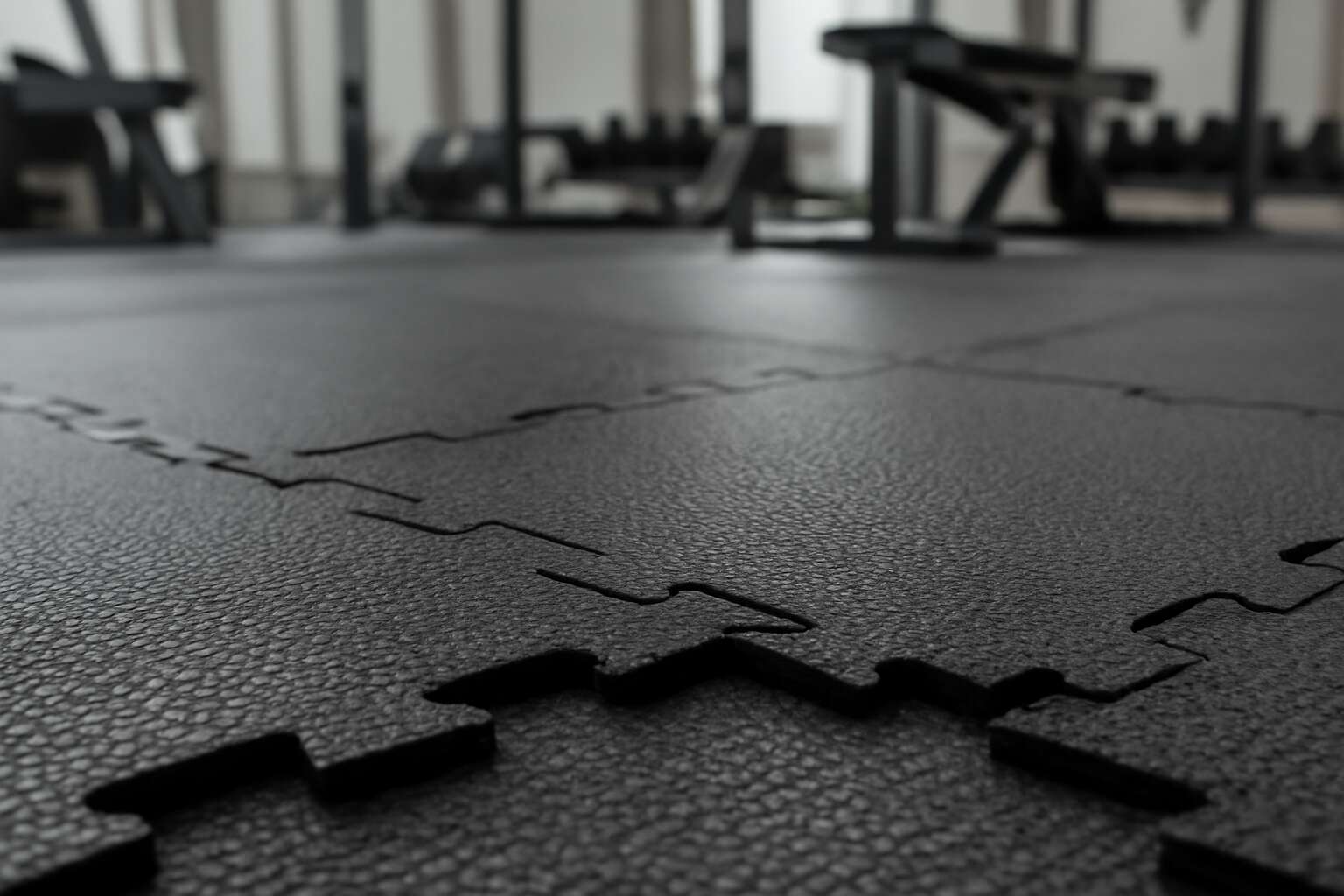
South Africa’s night-shrouded workshops and gym floors hold a quiet truth: safety begins with what you stand on. A sunrise statistic—slip incidents drop when the floor is properly cushioned—hangs in the air. The interlocking rubber floor mat is a modular tile that snaps together, creating a seamless, cushioned plane that protects footsteps and softens impact while resisting moisture and grime, even in humid workshop corners.
Installation is as simple as a puzzle: lay tiles, trim to fit, and you’re done. They endure heavy foot traffic, are easy to clean, and replace damaged sections without a headache. In spaces from manufacturing to fitness studios, this surface stays steady and present, turning what could be a risk into a steady rhythm underfoot.
How Interlocking Edges Work
South Africa’s busy workshops demand floors that do more than look sturdy. The interlocking rubber floor mat uses tongue-and-groove edges that snap together, creating a flush, cushioned surface that cuts fatigue and slip risk in humid spaces.
Interlocking edges deliver a seamless matrix: no ridges at tile joins, and spills stay contained. The result is a stable platform for long shifts and heavy equipment.
- Easy replacement of damaged tiles
- Consistent traction across the surface
- Low downtime during cleaning and maintenance
This combination is why facilities from factories to gyms in South Africa rely on modular flooring that embraces the same principles.
Common Materials and Grades
Understanding interlocking rubber floor mat materials reads like a map through a transit hub of workshops. In South Africa’s climate, blends such as SBR with natural rubber strike a balance between cost and resilience, while EPDM adds weather and humidity resistance for spaces that see sun and spray. Recycled crumb rubber keeps price approachable, yet modern formulations preserve grip and shock absorption. The result is a spectrum of densities and durometers, letting you tune comfort and durability for long shifts and heavy equipment.
- Commercial-grade SBR blends for general use: durable and economical.
- Premium anti-fatigue grades with foam-backed cores for comfort.
- Recycled-rubber options that suit tight budgets with variable tolerance.
Choosing a grade hinges on traction, cleaning cycles, and expected wear. The right interlocking rubber floor mat balances slip resistance with ease of maintenance across humid environments.
Key Benefits at a Glance
A single interlocking rubber floor mat can trim downtime and steady the heart of a long South African shift. In humid, sun-baked workshops, it offers a reliable grip that keeps hands and wheels moving, turning potential slips into small, everyday victories.
Key benefits at a glance include:
- Slip resistance across wet and oily surfaces
- Easy cleaning and long-lasting durability
- Modular design that adapts to changing layouts
With climate and usage in mind, the mat cushions fatigue and withstands sun and spray, delivering steady performance over time. For many facilities, it’s more than a floor covering—it’s a quiet partner in daily work.
Design and Construction of Interlocking Rubber Floor Mats
Tile Size and Thickness Options
An opening scene on a factory floor often hinges on grip; in South Africa’s facilities, safety managers report a notable drop in slips after upgrading to a purpose-built surface—often over 40%. The interlocking rubber floor mat design relies on snug puzzle-edge joints that lock cleanly, forming a continuous, easy-to-clean plane. In construction terms, high-density rubber cushions impact, resists compression, and keeps seams tight, while beveled edges reduce trip hazards and channel liquids away.
Tile size and thickness are the quiet artisans of fit and load, offering versatility for gyms, workshops, and retail floors alike.
- 30 x 30 cm tiles
- 60 x 60 cm tiles
- Thickness options: 12 mm, 18 mm, 25 mm
These choices pair with beveled edges and a textured top to keep feet confident and equipment rolling smoothly.
Interlock Mechanisms and Edge Types
Design and construction of the interlocking rubber floor mat is the quiet artistry that keeps facilities calm and workers upright. The interlock mechanisms hide in plain sight—the puzzle-edge joints click firmly, creating a seamless, easy-to-clean plane. High-density rubber cushions impact, resists compression, and preserves a tidy seam line, even after long shifts. Edge profiles shape the perimeters with restraint and elegance, guiding traffic and equipment with the discipline of a well-mannered executive.
- Puzzle-edge interlocks click into place, preventing misalignment even under heavy traffic
- Edge profiles include beveled, flush, and ramped transitions for clean borders
- Texture and drainage channels are integrated to maintain hygiene and ease of cleaning
In South Africa’s facilities, these design decisions translate into floors that stand up to moisture, heat, and hustle—quietly performing with style and reliability.
Surface Textures for Slip Resistance
Slip-related injuries still plague busy South African facilities, costing millions and slowing production. The design and construction of an interlocking rubber floor mat hinges on surface textures that bite without being harsh. Fine micro-grains, bold paddle patterns, and open channels work together to trap and shed water in heat and humidity, delivering dependable traction.
- Fine micro-textures that grip dry or lightly damp floors
- Raised ribs and paddle grooves to evacuate spill water
- Open drainage channels that speed drying and simplify cleaning
These textures are molded into the plank itself, creating a seamless slip-resistant plane across borders and seams. For South Africa’s mixed environments, choosing the right interlocking rubber floor mat texture reduces risk while keeping floors easy to maintain.
Sizing and Customization for Floors
Floor performance starts with a bold design principle: stability first, aesthetics second. In busy South African facilities, a single misstep can stall production and spike costs by thousands. The design and construction of the interlocking rubber floor mat emphasizes modularity, durability, and a dependable fit.
Sizing and customization turn a mat into a floor-ready solution. Modular planks and tiles cover large areas with minimal waste, and you choose thickness, standard lengths, and edge options.
- Plank/tile sizes and aspect options
- Thickness options for load and comfort
- Edge profiles and border finishes
- Branding, colorways, and logo inlays
Customization extends to color schemes and inlay branding, while engineers tailor drainage and anti-microbial additives to suit workshop climates. The result is a coherent, cleanable surface that stays reliable from shift to shift.
Practical Applications and Use Cases
Home Gym and Garage Flooring
Every workout deserves a floor that remembers every rep—The floor should be the silent partner that never complains, even after a brutal session. In South Africa’s homes and garages, an interlocking rubber floor mat offers a living canvas that mutes dropped weights, cushions joints, and keeps spills manageable.
Here are practical zones where this solution shines:
- Home gyms for cardio corners, weight racks, and HIIT zones
- Garage and workshop floors that tolerate carts, tools, and rolling wheels
- Multipurpose play areas that blend safety with easy cleaning
Setup is straightforward and adaptable to South African spaces—easy to cut to fit awkward corners, and resistant to moisture and UV in sunny climates. The result is a durable surface that reduces noise, protects concrete, and invites long, focused sessions with confidence!
Commercial and Industrial Environments
On crowded commercial floors, a simple mat does serious work. An interlocking rubber floor mat is more than padding—it’s a shield for subfloors and a catalyst for uptime. “Durability isn’t luxury—it’s productivity,” a warehouse manager notes, and the mat delivers that in every shift.
- Loading docks with carts and pallet trolleys glide over without noise or damage
- Retail backrooms that demand fast spill cleanup and easy reconfiguration
- Industrial workshops where rolling wheels meet solvent spills and sustained traffic
In South Africa’s busy commercial hubs, these mats withstand heat, moisture, and heavy use while simplifying maintenance and extending equipment life.
Temporary or Portable Solutions
Flooring that moves as fast as the schedule—that’s the edge portable setups in South Africa rely on. “Portable mats are the difference between chaos and order,” a South African event organizer notes, and the interlocking rubber floor mat delivers that order in spades. On construction sites, pop-up markets, and short-term showrooms, quick deployment and reconfiguration matter more than branding alone. The mats cushion spills, dampen noise, and clean up in a heartbeat, turning messy corners into serviceable space.
For temporary or portable setups, these use cases shine:
- Pop-up markets and street events across South Africa
- Temporary retail displays and roadshows
- Construction site break areas and temporary workshops
Because these mats are modular, they fold up light and ship easily, ready for the next site—no heavy machinery required, and the interlocking rubber floor mat keeps transit simple and clean.
Installation, Maintenance, and Longevity
Quick Installation Tips and Tools
Installation: In a sunlit South Africa workshop or home gym, laying an interlocking rubber floor mat feels like assembling a quiet orchestra. I love the clean, dry subfloor, edges aligned, sections clicked into place—no glue, no drama, just a flawless surface ready for action! Quick Installation tips and tools:
- Measuring tape
- Utility knife
- Straight edge
- Rubber mallet
- Broom or vacuum
Maintenance: A simple ritual preserves its hush and grip. Sweep daily to banish grit, wipe with mild soap and water, and let air-dry. I avoid harsh cleaners or prolonged sun to keep texture lively and color true.
Longevity: With thoughtful care, the surface endures high traffic and heavy use. I find that regular checks, even weight distribution, and honest subfloor prep extend life, letting floors keep pace with the rhythms of work and wellness in South Africa.
Cleaning and Maintenance Best Practices
Installation in a sunlit South Africa workshop unfolds like a quiet rite. The interlocking rubber floor mat nests into a dry subfloor, edges aligned, seams whispering shut—as if kept by a patient clockmaker. The surface breathes ready for action, no glue, no drama, just a seamless plane that holds steady under every stride and rhythm of the day!
Maintenance becomes a ritual of restraint. Grit fades beneath mindful care; gentle cleansing reveals the mat’s true color and texture, and air-drying preserves its character. Harsh cleaners and prolonged sun are banished to the shadows to preserve grip and tone.
Longevity rises where care becomes habit. Regular checks and even load distribution cradle the floor, ensuring the surface endures high traffic while staying faithful to the workshop’s cadence of work and wellness in South Africa.
- Subfloor integrity awareness
- UV exposure considerations
- Periodic inspection cadence
Longevity Factors: Temperature, Moisture, and UV
Installing an interlocking rubber floor mat in a sunlit South Africa workshop feels like laying a quiet map over the floor. The pieces nest on a dry subfloor, edges aligned, seams whispering into place. The surface stands ready for action, steady under every boot and bustle.
Maintenance becomes a ritual of gentle care. Light cleaning preserves color and texture, while air-drying keeps its bounce and grip intact.
Longevity factors hinge on Temperature, Moisture, and UV. In SA settings, these forces shape how the mat ages.
- Temperature: heat and cold cycles influence expansion and resilience.
- Moisture: spills and humidity test seams and grip.
- UV: sunlight can fade color and reduce flexibility.
Repair, Replacement, and Longevity Planning
South Africa runs on solid spaces, not drama, and an interlocking rubber floor mat delivers both. In busy workshops, teams report up to 40% faster installation thanks to puzzle-like edges that click into place with quiet confidence. The result is a seamless, drift-free surface ready for the next big project.
Maintenance is refreshingly easy. A light sweep, quick mop, and occasional edge check keep color and grip intact; air-drying preserves bounce so trolleys glide rather than grind to a halt.
Longevity hinges on temperature, moisture, and UV—factors that shape how an interlocking rubber floor mat ages in SA settings. When seams or edges show wear, consider replacement options that minimize downtime and keep floors performing.
Longevity planning for the long haul means thinking beyond a single batch of mats. A lightweight replacement mindset keeps your workshop resilient. There are some high-level considerations to weigh:
- Seam integrity and edge wear considerations
- Spare tiles and phased replacement to reduce downtime
- Long-term costs and budgeting for lifecycle maintenance

0 Comments