
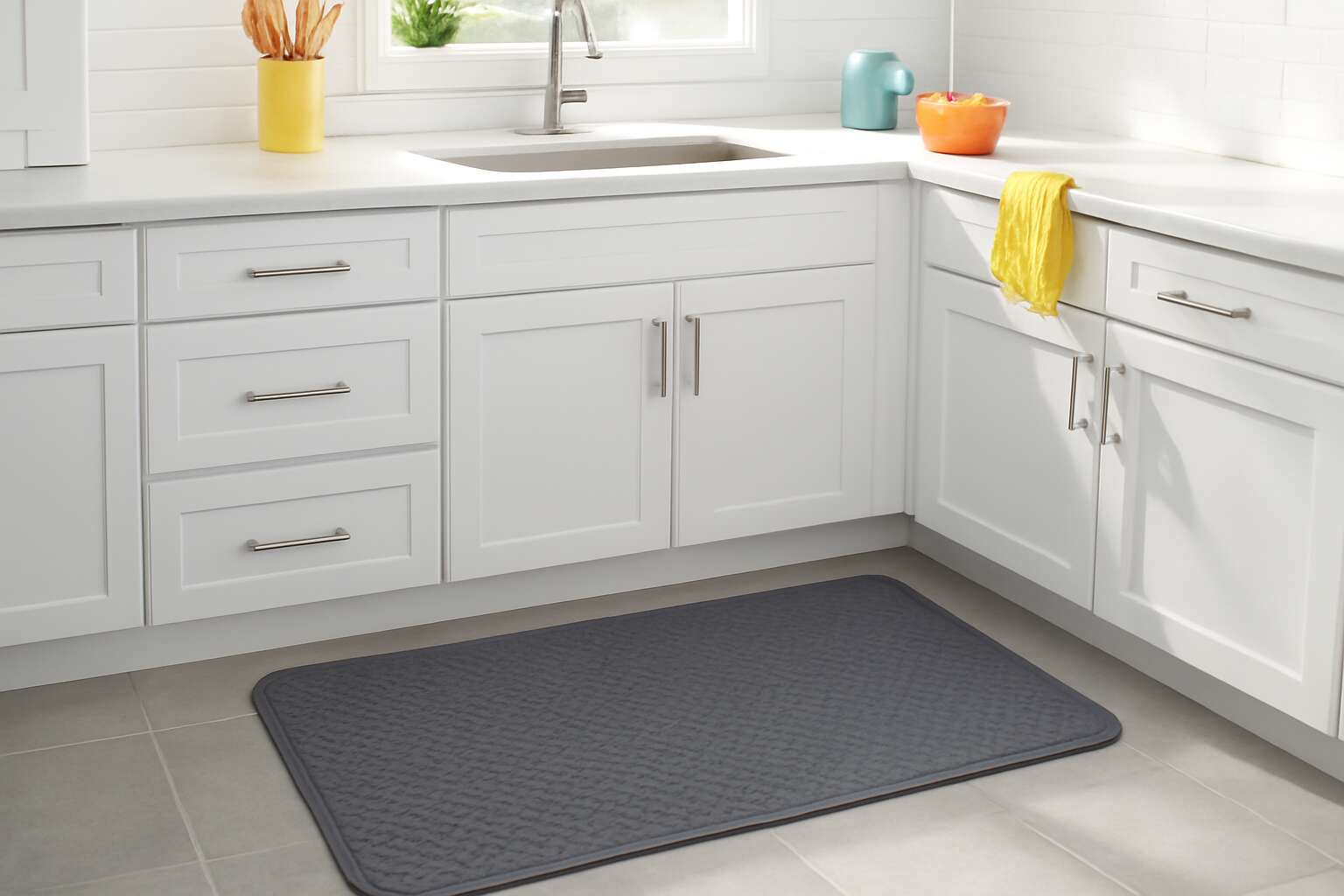
Comprehensive guide to kitchen floor mats
Product overview and benefits
In the glow of a South African dawn, the kitchen floor tells stories of spills and long shifts. The right ally—rubber floor kitchen mats—turns tired steps into secure footing, a quiet promise of safety amid the clatter. A good mat doesn’t shout; it absorbs moisture, cushions the step, and lingers long after the kettle drums fall silent. I have learned to trust that calm underfoot!
- Slip resistance that keeps feet anchored on busy mornings
- Drainage channels to whisk away moisture and spills
- Durability that survives heat, chemicals, and daily use
These mats are typically crafted from vulcanized rubber, offering anti-fatigue support, easy cleaning, and rugged durability. Their porous surfaces resist stains, while beveled edges reduce trips and drainage channels whisk away moisture. In South Africa’s kitchens—from Cape Town to Joburg—rubber floor kitchen mats soften hard floors, reduce noise, and invite steadier strides.
Materials and durability
In a bustling Cape Town kitchen, the floor tells stories—spills, heat, and the clock’s relentless tick. A certain wisdom prevails: grip beats glamour. Rubber floor mats arrive quietly, turning chaos into steady, confident footing.
These rubber floor kitchen mats rely on vulcanized rubber to deliver anti-fatigue comfort, simple cleaning, and rugged durability. Their porous surfaces shed stains, while drainage channels whisk away moisture; beveled edges reduce trips. A quick snapshot of material traits:
- Vulcanized rubber cores endure heat and chemical exposure
- Porous textures for fast drying and easy cleaning
- Beveled edges to minimize toe-stubbing hazards
From Cape Town cafés to Joburg kitchens, durability translates into fewer mid-shift scrambles and more confident steps. In South Africa’s varied environments, these mats stand up to heat, spills, and a bustling service.
Size, shape, and placement
Cape Town kitchens beat with a heartbeat, and rubber floor kitchen mats steady the pace. In bustling service, nearly a third of slips trace to slick floors, a statistic I’ve learned to respect as a designer of comfort. These quiet guardians promise grip and ease, turning chaos into confident footing.
Size and shape align with the flow of work. Long runners narrate corridors of prep, contour mats hug sinks, and modular panels fit tight corners. The following shapes feel right to me, common because they mirror how we move in a real kitchen:
- Rectangular runners for aisles
- Contoured mats for sinks
- Modular blocks for stations
Positioning follows the moisture pockets, the dance of foot traffic, and the service rhythm from Cape Town cafés to Joburg kitchens. In this tapestry, rubber floor kitchen mats anchor entryways, prep zones, and sink lines, keeping a steady, dry stride.
Buying guide and maintenance
Here in South Africa’s bustling kitchens, slips still claim nearly a third of mishaps on slick floors, a statistic that keeps a designer’s compass true. This buying and maintenance guide invites readers to listen to the room—the rhythm of prep and service—and choose with poise, turning chaos into choreography.
Consider textures that balance comfort with practicality, and profiles that stand up to long shifts.
- grip and slip resistance tailored to standing durations and kitchen traffic
- drainage, edge design, and profile to prevent pooling
- durability across cleaners, heat exposure, and frequent movement between zones
rubber floor kitchen mats offer a balance of grip and ease of cleaning.
Maintenance mindset: choose mats with stable backing that resist curling, and expect checks on wear and tear rather than strict routines. A well-considered mat becomes a quiet partner in service, grounding movement with a soft, spellbound steadiness.

0 Comments