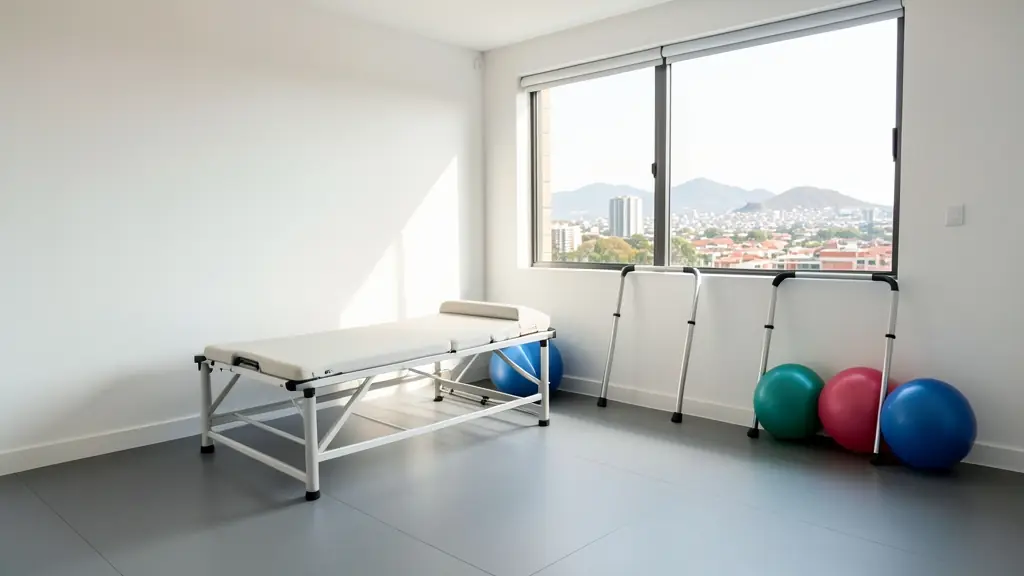
Rubber flooring is any floor finished in rubber, whether it comes as tiles, as sheet off a roll or poured on site. It is quieter than tile or concrete, kinder on the legs than most hard floors and much harder to damage than carpet or vinyl, which is why gyms, hospitals, schools, kitchens and a growing number of homes in South Africa use it. This page compares the three forms, sets rubber against the floors it usually competes with, and gives the honest advantages and disadvantages, so the quotes you get are for the right floor.
Tiles, rolls or poured
Rubber tiles are the most flexible: you can lay a small area, lift and replace a damaged one, and mix thicknesses by zone. Rubber flooring rolls give fewer joints and suit long, open rooms, corridors and gym floors, and are cut to length by the running metre. Poured rubber, such as EPDM wetpour, is mixed and trowelled on site into one joint-free surface, mostly outdoors around play equipment and pools. Many jobs combine them: rolls across a gym, thicker tiles in the weights corner.
Rubber against vinyl, carpet, epoxy and timber
Vinyl is cheaper and smooth to clean but dents under weights and gives little cushion. Carpet is soft but holds dirt and sweat and does not take water. Epoxy is tough and easy to wipe on a garage or factory slab, yet hard and loud underfoot and slippery when wet unless it has a grit finish. Timber looks warm but marks and does not like water. Rubber wins where you need grip, shock absorption, sound damping and a floor you can wash. It loses on looks in formal rooms and on price against basic vinyl.
Where it is used indoors
- Gyms and studios: see gym flooring.
- Hospitals, clinics and care homes: rehab rooms, corridors and wards where quiet and grip matter.
- Schools and crèches: sports rooms, play rooms and passages.
- Commercial kitchens and bars, often with non-slip matting on top.
- Offices, showrooms and homes: playrooms, garage gyms and hard-working entrance areas.
Advantages, disadvantages and upkeep
The advantages: grip, comfort, impact and noise absorption, long life, and, for recycled rubber, a use for old tyres. The disadvantages: weight, a smell from new recycled crumb that takes time to fade, colours that vary between batches, and marks from some chair castors, hot tyres and oils. Upkeep is simple. Sweep or vacuum grit, then mop with a pH-neutral cleaner and water. Avoid solvents, oil-based polishes and harsh degreasers, which swell or dry out rubber. Some floors take a rubber dressing; ask the maker.
What to put in your request
- The room or rooms and what happens in them
- The floor area in m² and the current floor finish
- Tiles, rolls or poured, if you know
- Black or a colour, and the thickness
- Whether you need the base levelled and the floor glued
Rubber Flooring for gyms, schools, homes, industry and farms
- Gyms and fitness studios: full gym floors in rolls, with thicker tiles in the free weights area
- Schools, crèches and play areas: sports rooms, play rooms and busy passages that need a quiet, grippy floor
- Homeowners: home gyms, playrooms, laundries and back entrances that take a beating
- Factories, mines and plants: canteens, change rooms and workshops where people stand and spill things
- Shops, offices and entrances: showrooms, office gyms and entrance areas with heavy foot traffic
- Hotels, lodges and restaurants: commercial kitchens, bars, hotel gyms and back-of-house corridors
- Municipalities, parks and sports clubs: community halls, libraries' children's corners and sports centre floors
- Hospitals, clinics and care homes: rehab rooms, wards, corridors and care homes where grip and quiet matter
- Farms, stables and dairies: packhouse floors, dairy offices and farm stall entrances that get wet
Frequently asked questions
Do you supply or install rubber flooring?
No. We are a free quote request service. We pass your request to independent rubber flooring suppliers and installers who work in your area, and each quotes you directly. You choose who to use; we make, sell and lay nothing and certify nothing.
What does rubber flooring cost in South Africa?
It depends on the form, the thickness, black or coloured rubber, the area, how much the base needs fixing, glue, delivery and labour. A large plain black floor costs far less per m² than a small coloured one with lots of cuts. Send the size and use, and compare quotes for the same thickness and finish.
Can rubber flooring go over an existing floor?
Often, yes, if the existing floor is firm, flat and well stuck down: ceramic tiles, a sound screed or old vinyl in good condition. Loose tiles, carpet and damp slabs are not a base. The installer checks moisture and level first, and may need to grind, patch or screed.
Is rubber flooring good for a home?
In the right room. It is excellent for a home gym, a playroom, a garage, a laundry or a back entrance, where you want grip and a floor that forgives dropped things. In a lounge or bedroom many people prefer the look of other floors, and new recycled rubber needs airing.
Rubber Flooring by province and city
- Johannesburg
- Pretoria
- Centurion
- Midrand
- Sandton
- Randburg
- Roodepoort
- Krugersdorp
- Randfontein
- Germiston
- Boksburg
- Benoni
- Kempton Park
- Alberton
- Vanderbijlpark
- Vereeniging
- Durban
- Pinetown
- Pietermaritzburg
- Richards Bay
- Newcastle
- Ladysmith
- Gqeberha (Port Elizabeth)
- East London
- Kariega (Uitenhage)
- Mthatha
- Cape Town
- Bellville
- Paarl
- Stellenbosch
- George
- Worcester
- eMalahleni (Witbank)
- Middelburg
- Secunda
- Mbombela (Nelspruit)
- Rustenburg
- Brits
- Klerksdorp
- Potchefstroom
- Mahikeng
- Polokwane
- Tzaneen
- Kimberley
- Upington
- Bloemfontein
- Welkom
- Sasolburg